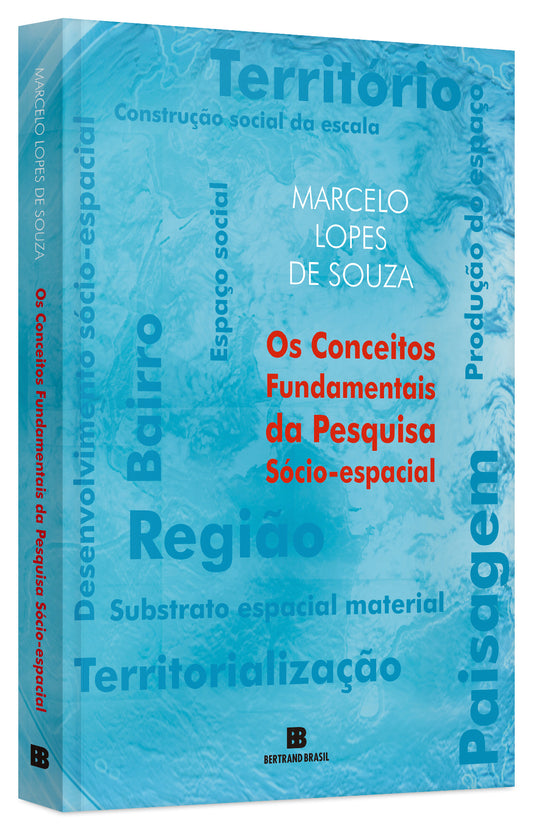
The book aims to be representative of the main contemporary debates, offering a panoramic view of the field today and allowing for in-depth exploration of selected discussions. The environment cannot be reduced to "the environment," to non-human nature. It is not merely something that "surrounds" us, an envelope: the environment is also us, human beings, historically and culturally situated. As for territories, they are established in intimate connection with environments in their landscape and material dimensions, whether through geoecological processes or socially produced forms and dynamics. Analyzing territories means examining how, at any given moment, environments, their resources, and meanings are contested and become objects of conflict. The primary target audience is students in their final years of undergraduate studies, as well as those at the graduate level, in all fields that deal with environmental problems and conflicts. Beyond beginning researchers and young university students in general, however, we can assume that experienced professionals will also benefit from the material in several chapters. Finally, it is reasonable to nurture the expectation that much of what this book contains can (re)feed back into critical environmental activism and the practice of combating the inequities and distortions that accumulate in our societies, especially the many situations of flagrant environmental injustice.