


Conteúdo do livro
Couldn't load pickup availability
CÓDIGO DA OBRA9786558020974


Sobre o autor
Michael J. Sandel
Thomas Piketty (Clichy/França, 1971) é economista, escritor e professor de economia e de história da economia na Escola de Altos Estudos em Ciências Sociais (EHESS) e na Escola de Economia de Paris. Dedica-se à pesquisa da interseção entre economia histórica, economia política e história da socioeconomia. Seu trabalho ajudou a enfatizar o papel das instituições políticas, sociais e fiscais na evolução histórica da distribuição de renda e de riquezas. Em 2002, recebeu o prêmio de melhor jovem economista da França. Em 2013, foi agraciado com o Prêmio Yrjõ Jahnsson pela sua contribuição à economia do setor público na Europa e, principalmente, ao estudo da desigualdade e da mobilidade. É autor de diversos livros, entre eles o best-seller O capital no século XXI, Uma breve história da igualdade e Capital e ideologia.
Michael J. Sandel (Minneapolis/EUA, 1953) é um dos mais importantes filósofos de sua geração. Há cerca de duas décadas leciona, na Universidade de Harvard, seu famoso curso Justice, pelo qual já passaram mais de 15 mil alunos. Esse mesmo curso foi o pioneiro ao ser disponibilizado pela Universidade de Harvard de forma gratuita na internet e na televisão, alcançando 10 milhões de pessoas. Seus livros Justiça: o que é fazer a coisa certa, O que dinheiro não compra: os limites morais do mercado, Além da perfeição: ética na era da engenharia genética, Tirania do mérito: o que aconteceu com o bem comum? e O descontentamento da democracia: uma abordagem para tempos periculosos, publicados no Brasil pela Civilização Brasileira, são best-sellers internacionais e já foram traduzidos para quase 30 línguas.
Mais livros do autor

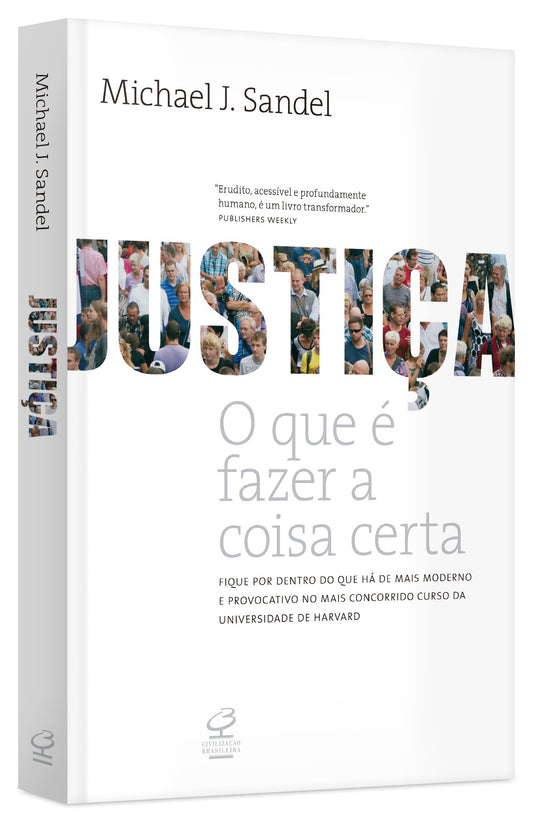

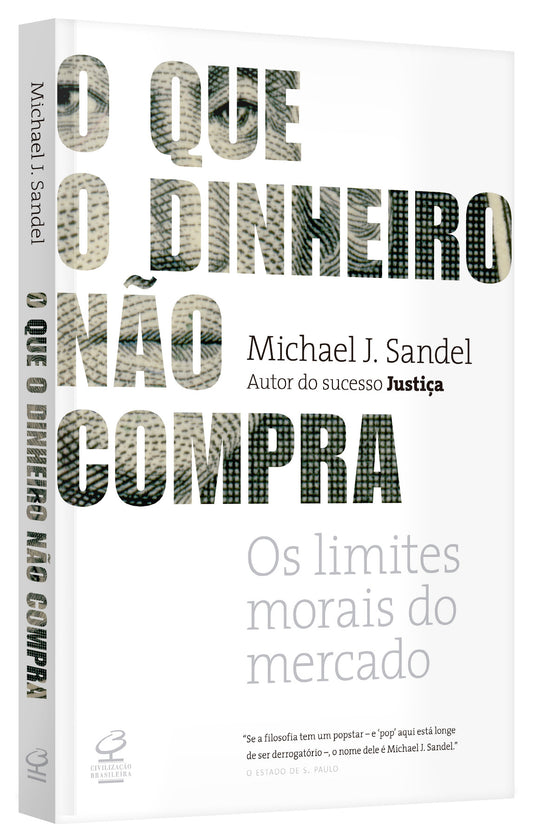
What money can't buy
R$ 69,90

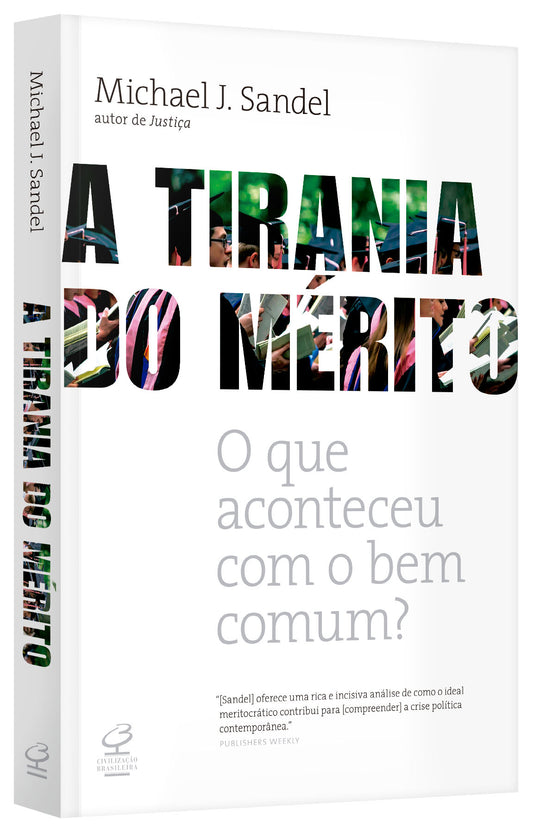
The tyranny of merit
R$ 69,90

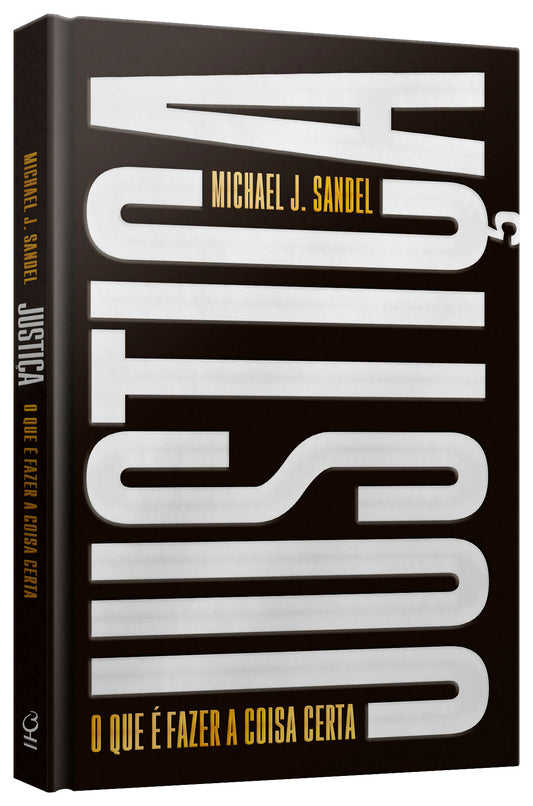

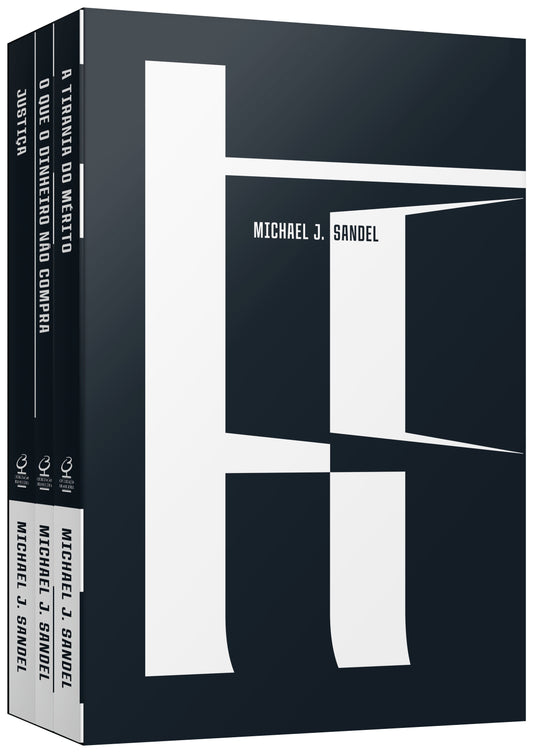
Box Sandel
R$ 199,90

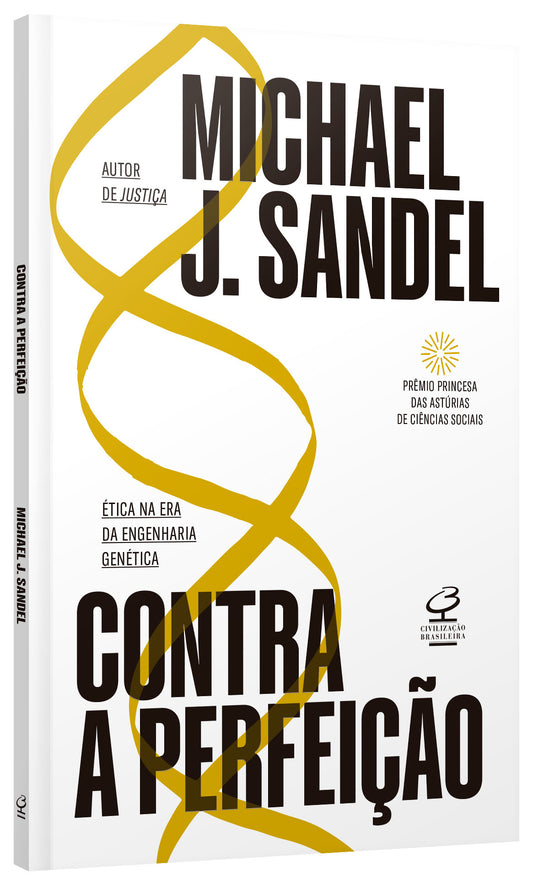
Against perfection
R$ 59,90


