


Conteúdo do livro
Couldn't load pickup availability
CÓDIGO DA OBRA9788501111647


Sobre o autor
Albert Camus
Pertencente a uma família operária, Albert Camus (1913-1960) cresceu na Argélia, onde estudou filosofia. Filho de um francês e de uma descendente de espanhóis, o escritor perdeu o pai na Batalha do Marne, em 1914, durante a Primeira Guerra Mundial. Marcado pela guerra, pela fome e pela miséria, filiou-se na França ao Partido Comunista (1934-1935) e em 1940 aderiu ao movimento da Resistência contra a ocupação alemã. Ao lado de Jean-Paul Sartre foi um dos principais representantes do existencialismo francês, influenciando de modo decisivo a visão de mundo da geração de intelectuais rebeldes da época do pós-guerra. Suas obras de destaque são O estrangeiro, O mito de Sísifo, A queda, A peste, O homem revoltado, A morte feliz. Em 1957, Camus foi agraciado com o Prêmio Nobel da Literatura.
Mais livros do autor

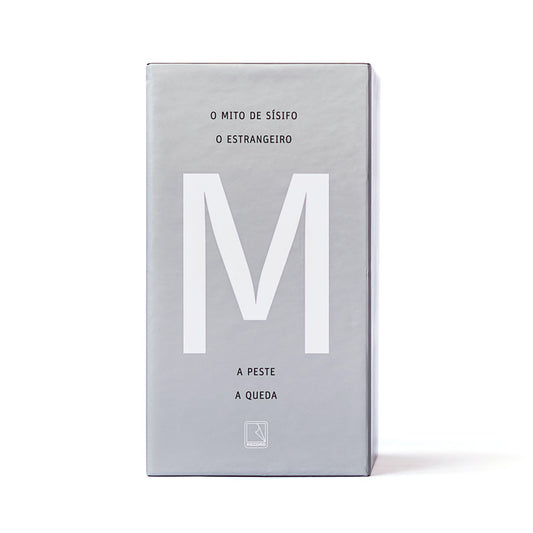
Albert Camus Box (Collector's Edition)
R$ 299,90
Sold out

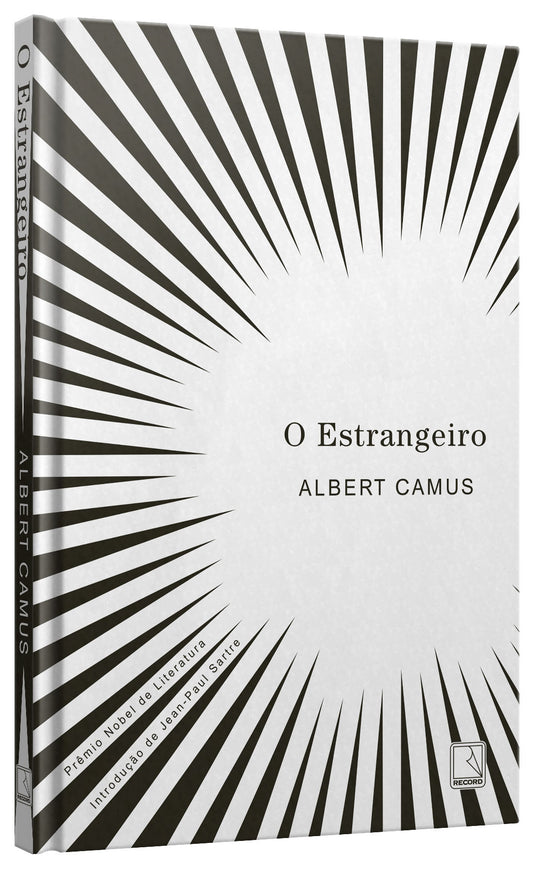
O estrangeiro (Edição especial)
-10%
R$ 109,90
R$ 98,91
Sale


The plague
R$ 69,90

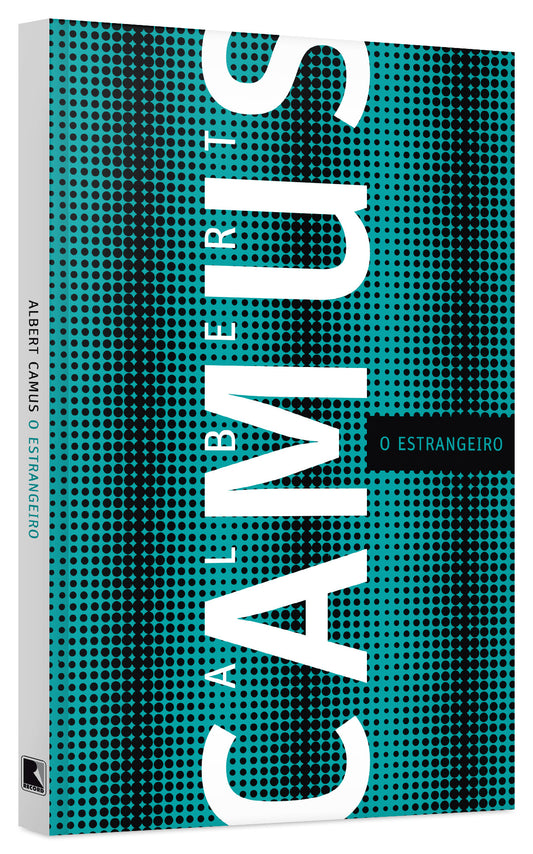
The foreigner
R$ 69,90


The happy death
R$ 69,90

Sold out
Travel diary
R$ 59,90
Sold out

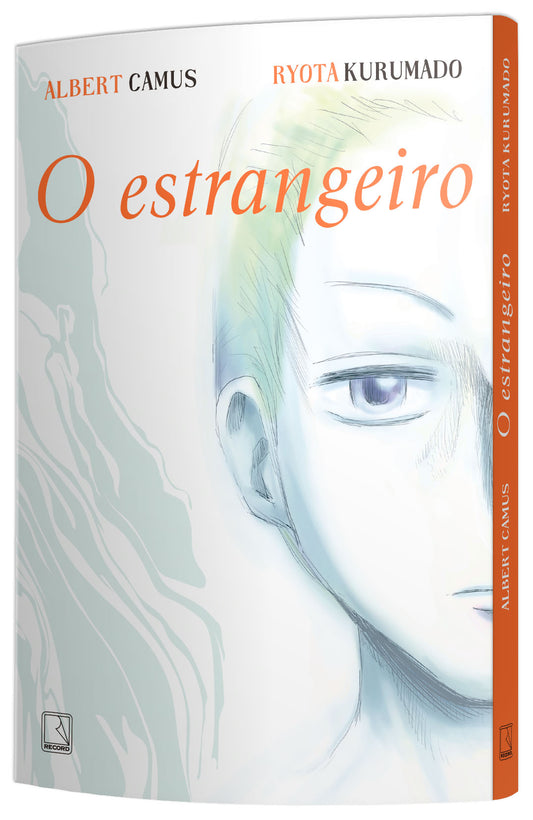
The Foreigner (Manga)
-10%
R$ 79,90
R$ 71,91
Sale

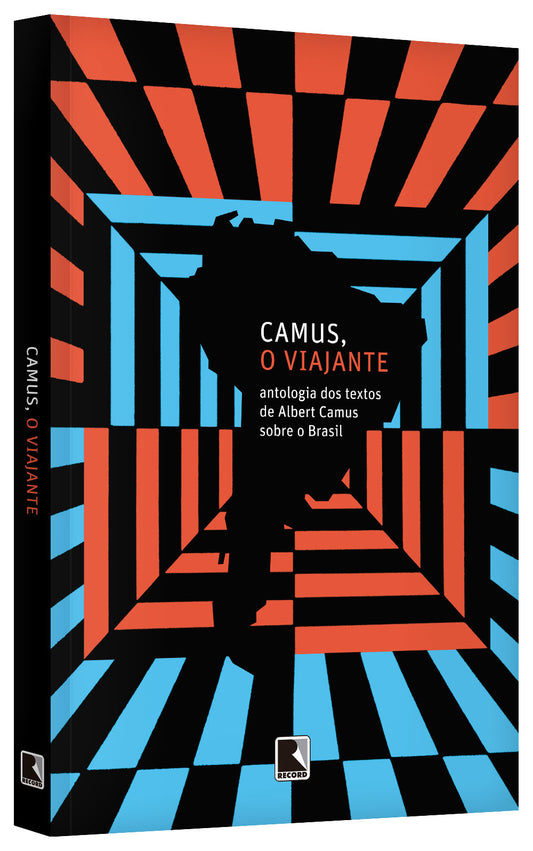
Camus, the traveler
R$ 64,90

Sold out
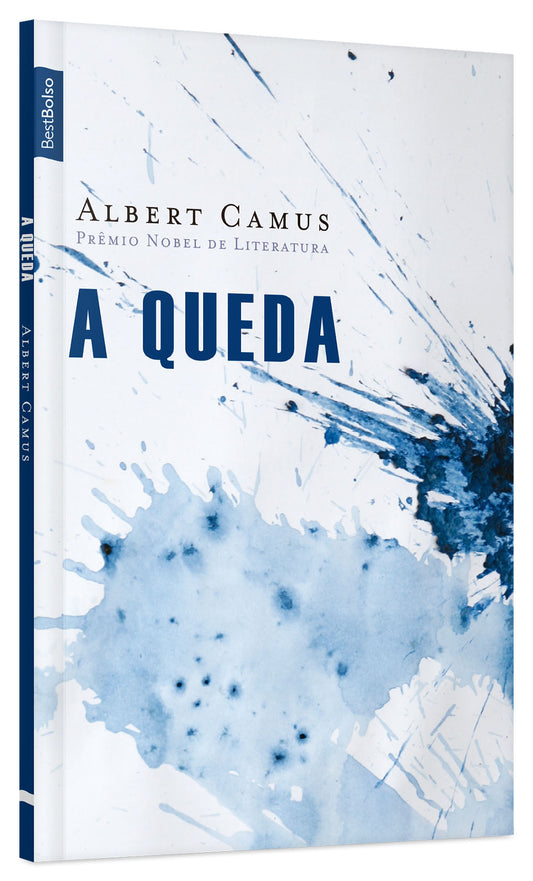
The Fall (Paperback)
R$ 49,90
Sold out





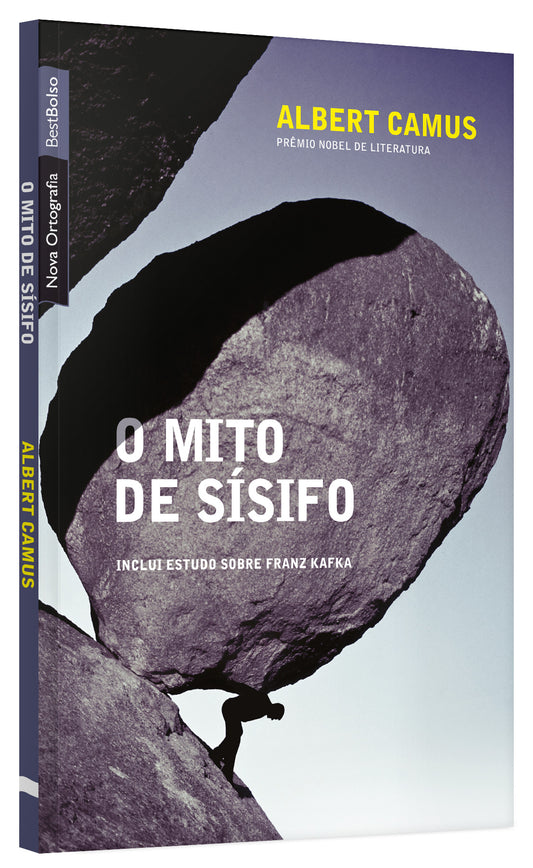
Sold out
The Myth of Sisyphus (Paperback)
R$ 39,90
Sold out

Intelligence and the scaffold
-10%
R$ 54,90
R$ 49,41
Sale

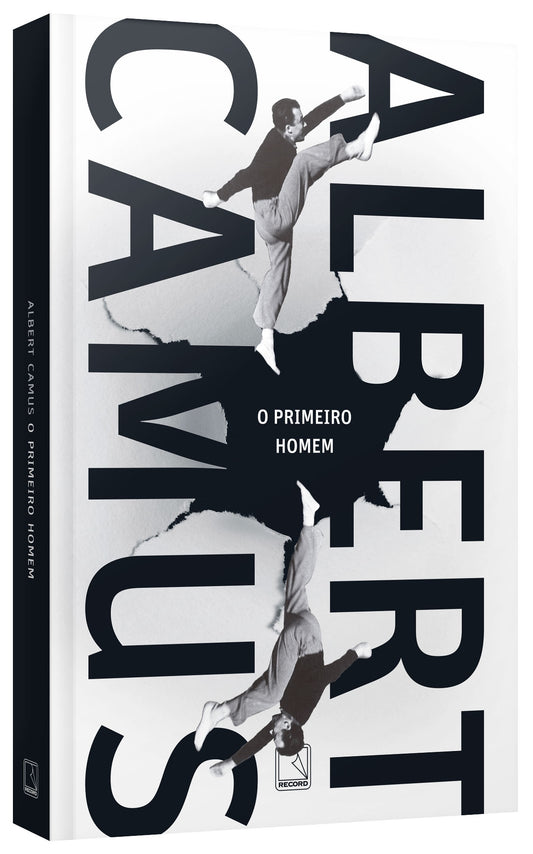
Sale
The first man
-10%
R$ 99,90
R$ 89,91
Sale


