


Couldn't load pickup availability


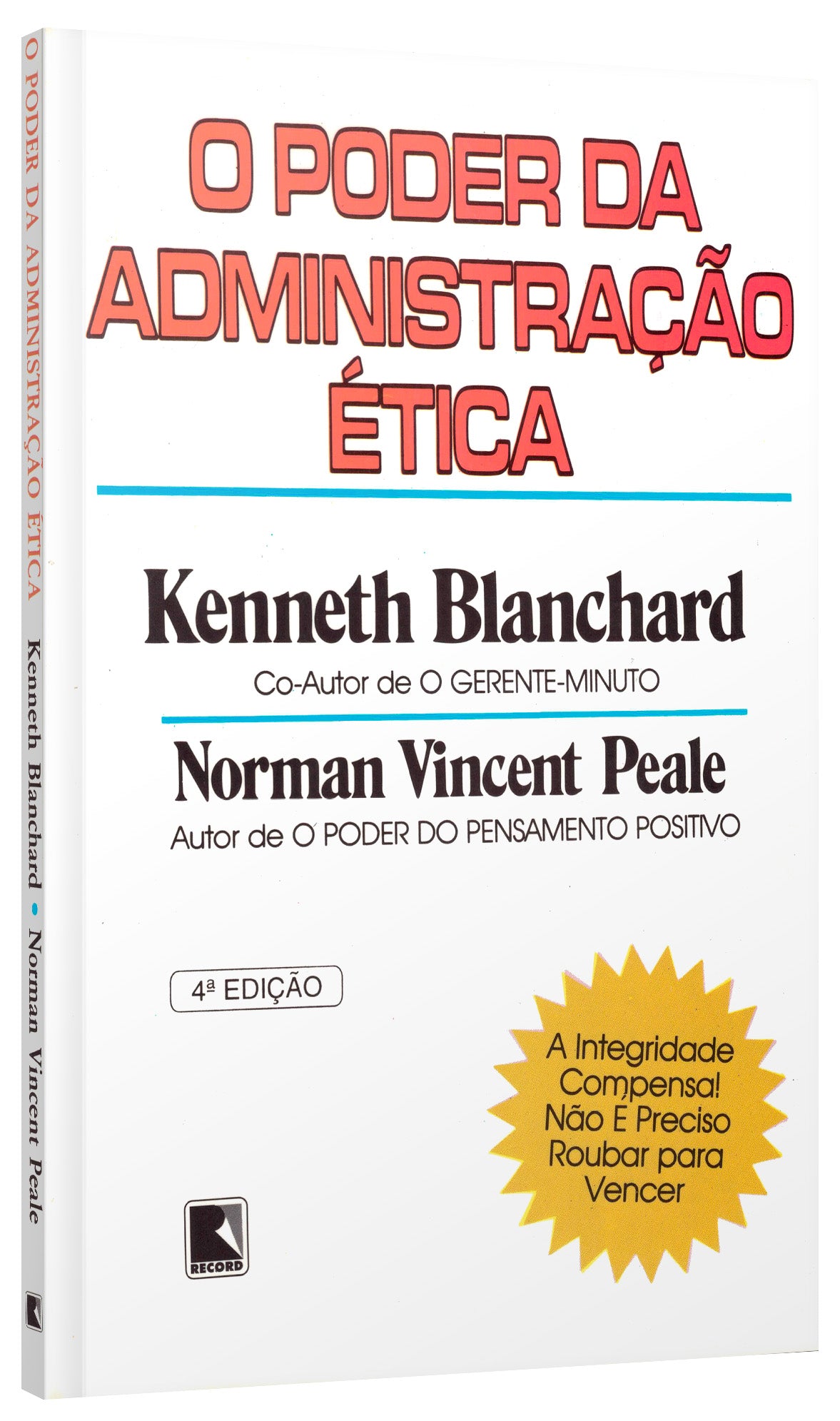
Ken Blanchard
"
Kenneth Blanchard. Poucos indivíduos produziram um impacto tão grande sobre o dia-a-dia da administração de empresas somo Kenneth Blanchard, co-autor de O Gerente-Minuto e dos livros que compõem a Biblioteca do Gerente-Minuto. Blanchard, conferencista muito disputado em convenções, seminários e encontros de homens de negócios, é muito conhecido como autor, consultor de empresas e professor. Conquistou as láureas B.A. e Ph. D. na Cornell University. Seu livro Management of Organizational Behavior: Utilizing Human Resources, ora na quarta edição, escrito em co-autoria com Paul Hersey, é considerado leitura obrigatória sobre o tema de administração de empresas. O dr. Blanchard, juntamente com a esposa, Margie, fundou a empresa de consultoria Blanchard Training and Development, Inc., em Escondido, Califórnia. É titular da cátedra de Liderança da Universidade de Massachusetts, em Amherst, bem como membro do corpo de curadores da Cornell University.
Norman Vincent Peale. O dr. Peale é autor de 34 livros, entre os quais O Poder do Pensamento Positivo, um dos maiores sucessos de livraria de todos os tempos, já traduzido para quarenta idiomas e com vendas que ultrapassaram os vinte milhões de exemplares em todo o mundo. O título do livro tornou-se parte do linguajar diário em numerosos idiomas. O dr. e a sra. Peale são co-editores e organizadores da revista de edificação pessoal Guideposts, com cerca de 4,6 milhões de assinantes e 16 milhões de lei-tores todos os meses. Mensagens do dr. Peale são distribuídas mensalmente para mais de um milhão de pessoas pela Foundation for Christian Living, de Pawling, Nova York. Anualmente, são publicados cerca de 35 milhões de seus livretos inspiracionais. O dr. Peale é conferencista habitual em conven-ções de negócios, ofícios e vendas em todos os Estados Unidos, Canadá e no exterior. Foi contemplado com 21 graus de doutor honoris causa.
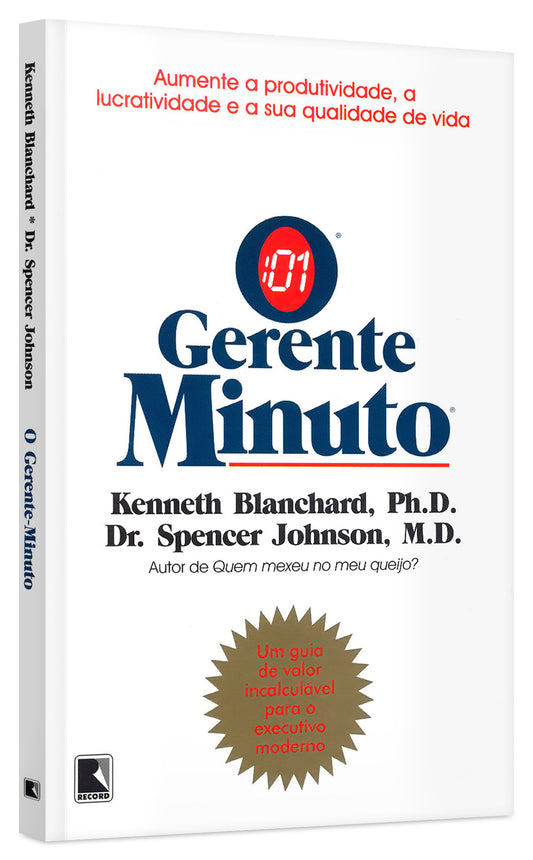
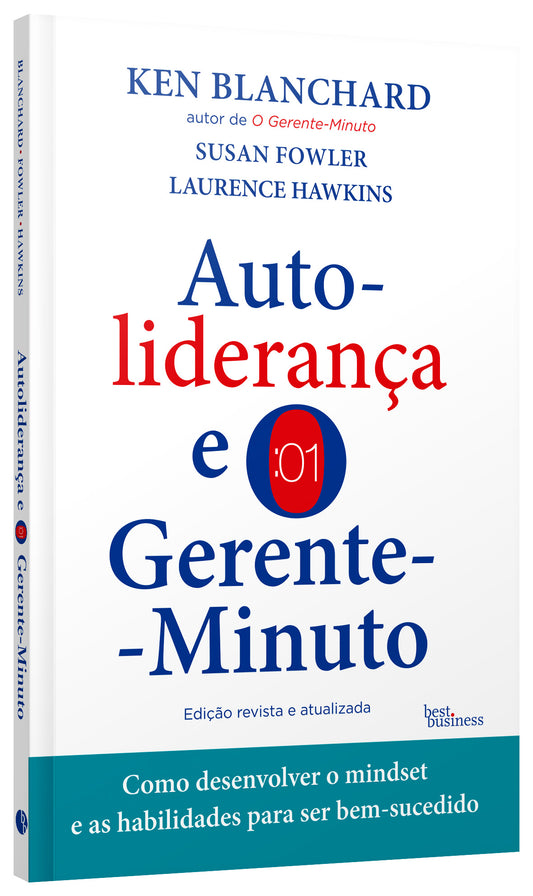
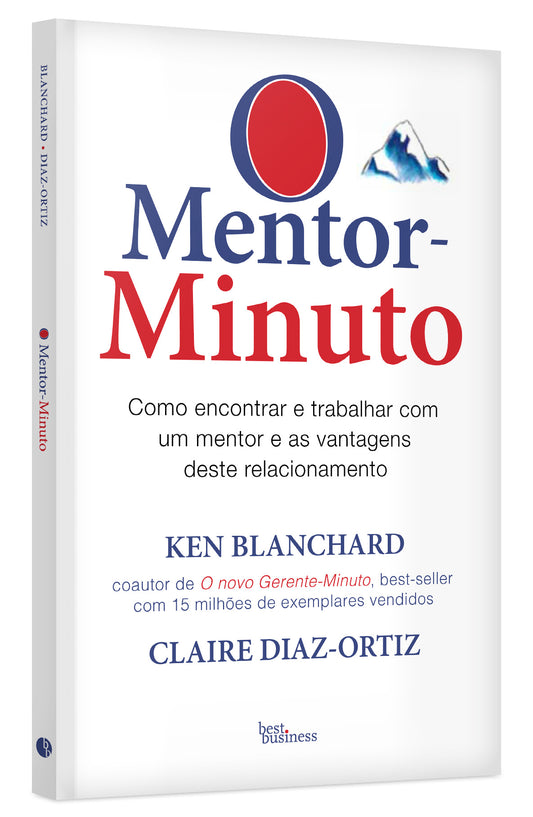
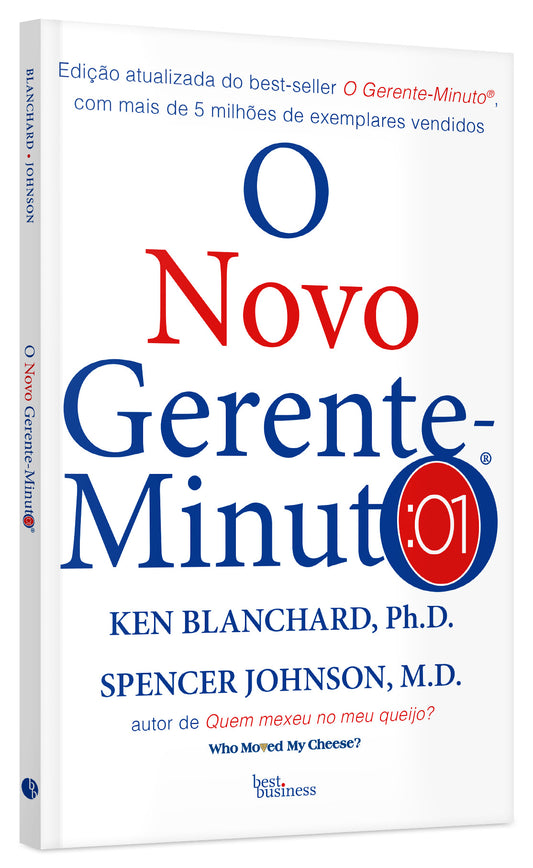
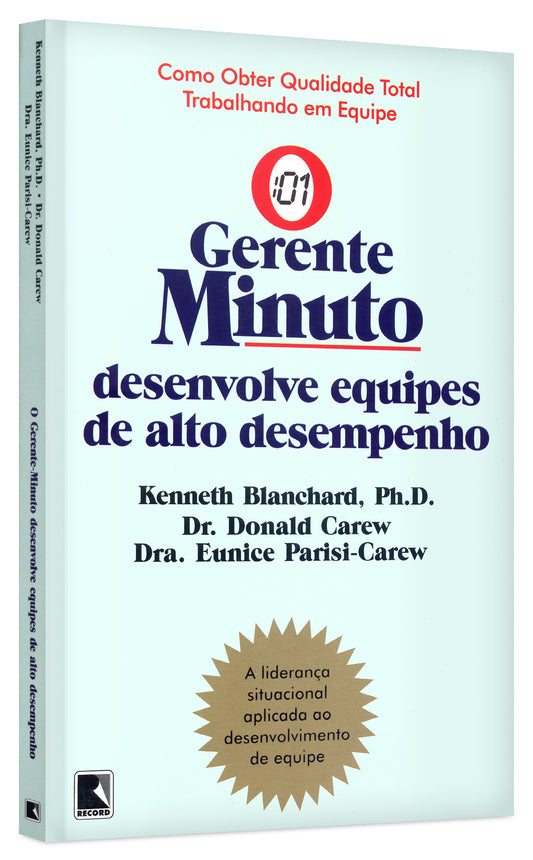
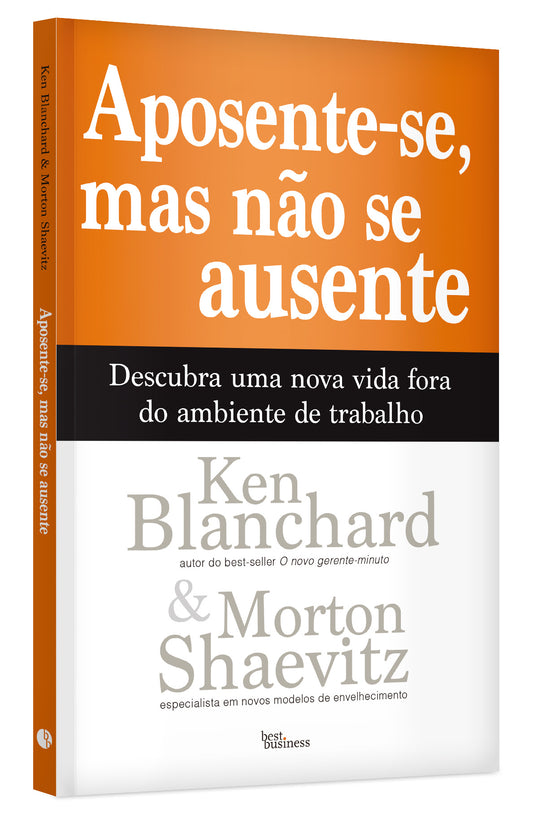
"Mais livros do autor








Visualizados Recentemente


