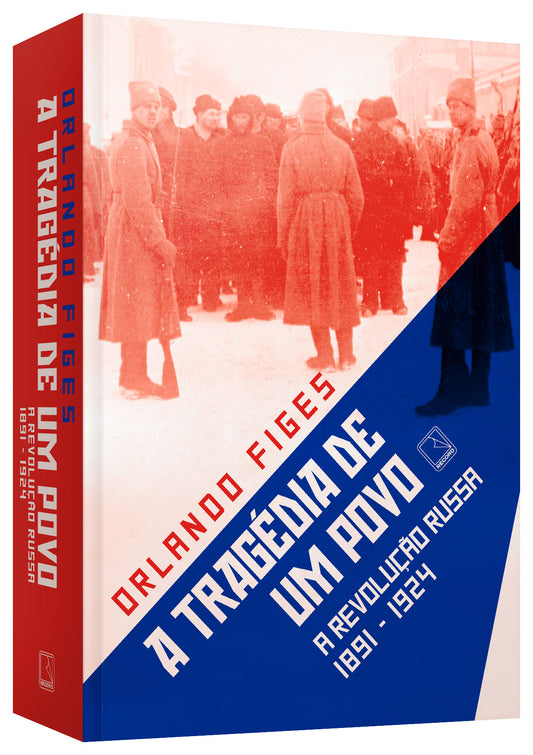
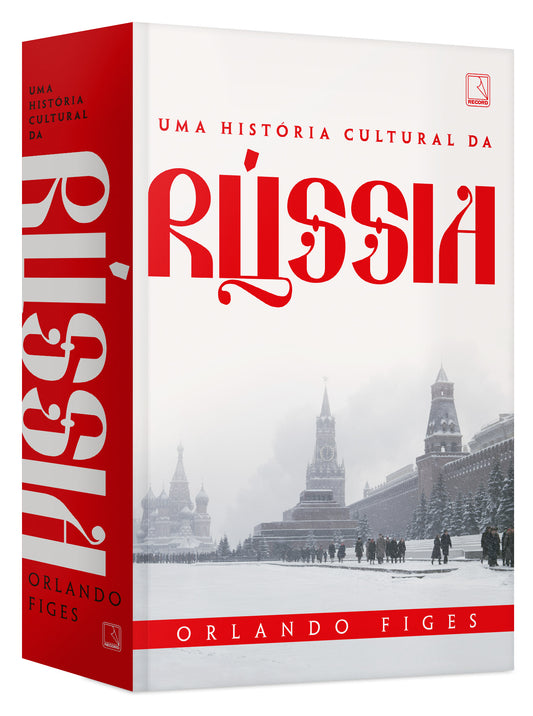
From the renowned author of A Cultural History of Russia , Whispers , and The Tragedy of a People , The Europeans explores how the 19th-century railway age ushered in the first period of cultural globalization.
In Europe, the 19th century was a period of extraordinary artistic achievement. It was also the first era of cultural globalization—a time when mass communication and high-speed rail travel brought all countries closer together, overcoming the barriers of nationalism. Thus, a truly European canon emerged in art, music, and literature. By 1900, the entire continent read the same books, reproduced the same paintings, listened to the same music in their homes and concert halls, and attended the same operas in the greatest theaters.
Drawing on a rich collection of documents, letters, and other archival material, award-winning historian Orlando Figes analyzes the interplay between money and art, essential for the new reality to take shape. At the heart of the book is the love triangle between Russian writer Ivan Turgenev, Spanish mezzo-soprano Pauline Viardot, with whom Turgenev had a long and intimate relationship, and her husband, Louis Viardot, an art critic, theater manager, and republican activist. Together, Turgenev and the Viardots functioned as a kind of cultural nexus in Europe—they knew or crossed paths with Delacroix, Berlioz, Chopin, Brahms, Liszt, the Schumanns, Victor Hugo, Flaubert, Dickens, and Dostoevsky, among other giants.
As Figes observes, nearly all of civilization's great advances occurred during periods of intense cosmopolitanism—when people, ideas, and artistic creations circulated freely between nations. Richly detailed, *The Europeans* is a comprehensive and enchanting overview of the genesis of a continental-scale European culture that would later influence the entire world.