


Couldn't load pickup availability


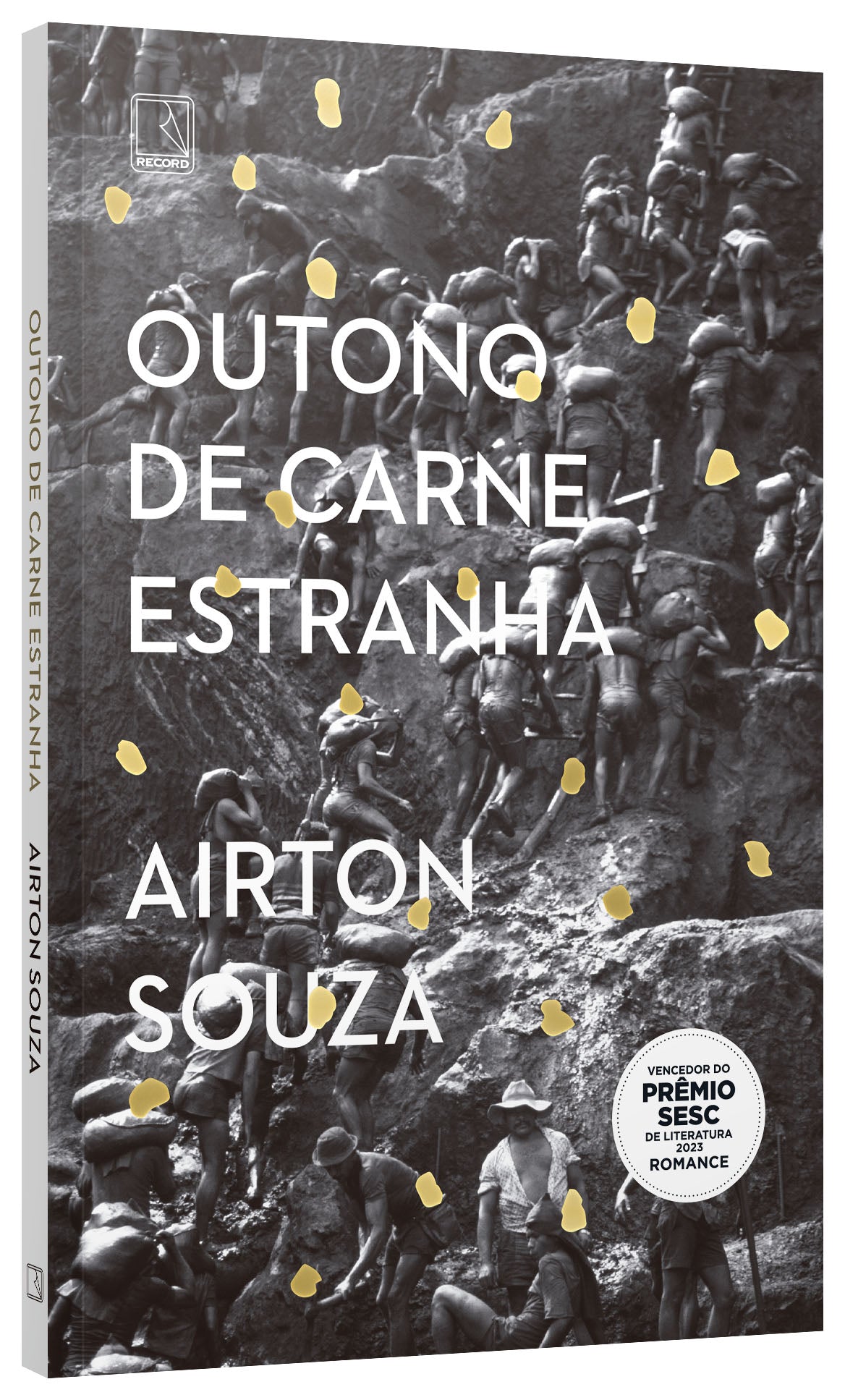
Airton Souza
Airton Souza (Marabá/PA, 1982) é poeta, professor e pesquisador. Doutorando no Programa de Pós-Graduação em Comunicação, Cultura e Amazônia da Universidade Federal do Pará, também se tornou mestre em Letras na Universidade Federal do Sul e Sudeste do Pará. Já publicou 47 livros. Idealizou e coordena importantes projetos ligados ao livro, à leitura, às bibliotecas e às literaturas nas Amazônias, entre eles o Anuário da Poesia Paraense e o Prêmio Amazônia de Literatura. Venceu mais de cem prêmios literários, entre os quais os da União Brasileira de Escritores do Rio de Janeiro, da Academia Paraense de Letras, da Imprensa Oficial do Estado do Pará, da Fundação Cultural do Pará, o III Prêmio Ufes de Literatura e o Prêmio Literário Cidade de Manaus 2022, com o livro de poemas Horóscopo de batizar brumas contra a solidão das asas. Sua poesia já foi traduzida para o espanhol, o inglês e o alemão. É presidente de honra da Associação dos Escritores do Sul e Sudeste do Pará.
Mais livros do autor


O mar é longe
Visualizados Recentemente


