"
Presenting a human and credible vision of the Soviet dictator, Stalin: A Biography composes his most fascinating and complete portrait with never-before-seen details of his life and history.
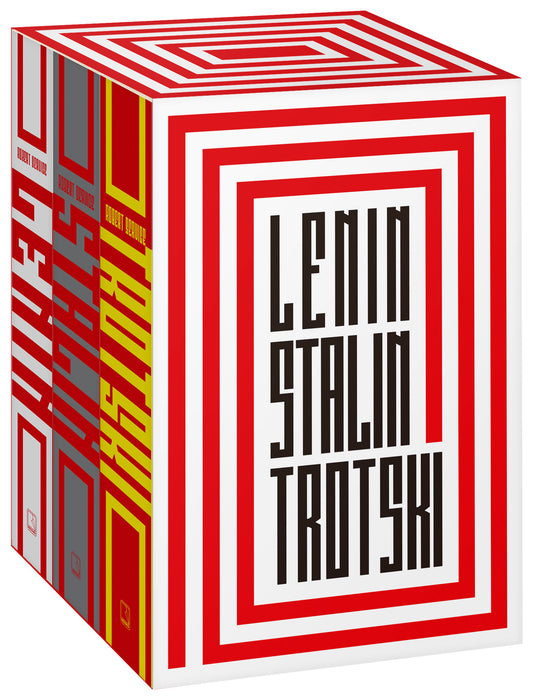
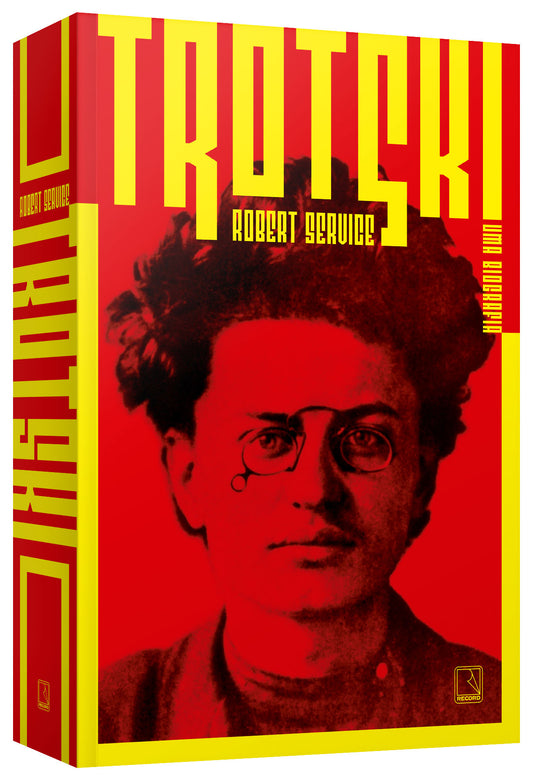
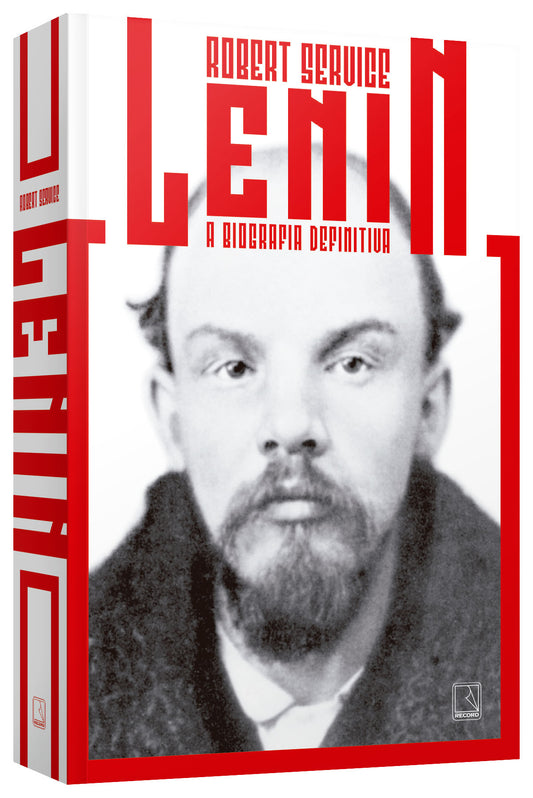
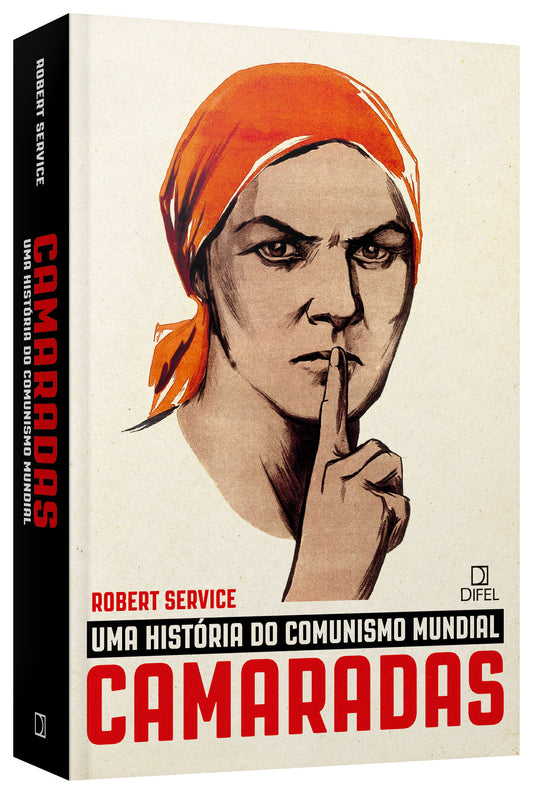
In Stalin: A Bryography , Robert Service, author of the acclaimed Lenin: The Definitive Biography , Comrades: A History of World Communism , and Trotsky: A Biography , all published in Brazil by Grupo Editorial Record, dispels the conventional image of Stalin as an uneducated political administrator who inexplicably transformed into a pathological killer and reveals a more complex and fascinating story behind this central figure for understanding the 20th century. Drawing on previously unexplored archives—available after the collapse of the former Soviet Union—and personal testimonies collected throughout Russia and Stalin's native Georgia, this is the most comprehensive biography of the Soviet dictator.
Robert Service describes in unprecedented detail the first half of Stalin's life—his childhood as the son of a violent, drunken father and a devoted mother, his religious education and training, and his political activity as a young revolutionary. Far from being a mere messenger of Lenin, Stalin was a prominent activist long before the Russian Revolution. Equally compelling is his portrayal of Stalin as a great leader of the Soviet government. The author recasts the image of an unfettered despot: his control was not unlimited, just as his conviction that he was surrounded by enemies was not entirely unfounded.
Stalin was not only a vengeful dictator, but also a man fascinated by ideas and a voracious reader of Marxist doctrine and Russian and Georgian literature, as well as an internationalist committed to seeing Russia assume a prominent role on the world stage. By examining Stalin's multidimensional legacy, Service helps explain why later reformers—like Khrushchev and Gorbachev—found the Stalinist legacy surprisingly difficult to overcome.
Stalin: A Biography does not diminish the horrors of Stalinism; it presents an account all the more disturbing for presenting a human and credible view of Stalin—his most comprehensive and compelling portrait to date.
After Lenin's death in 1924, many were surprised when Stalin emerged victorious from the intra-party conflict. At the end of the decade, he rejected the party's reluctant compromises to survive in the former Russian Empire after the Civil War. He led the Soviet Union toward industrialization. Millions of peasants died when agriculture was collectivized. The labor camp network expanded, and his despotism grew with the Great Terror of the late 1930s. Hitler's Operation Barbarossa against the Soviet Union in 1941 took him disastrously by surprise. However, the Red Army fought on and, with Stalin as supreme commander, defeated the Wehrmacht. After World War II, the USSR secured its dominance in the eastern half of Europe. For better or worse, Stalin's reputation reached its peak. When he died in 1953, he was mourned by millions of citizens with every reason to detest his policies and himself. He left the Soviet Union as a world power and an industrial colossus endowed with a literate society. He bequeathed institutions of terror and indoctrination whose reach had few rivals. After his death, the history of the USSR consisted primarily of a series of attempts to preserve, modify, or liquidate his legacy.
"