


Conteúdo do livro
Couldn't load pickup availability
CÓDIGO DA OBRA9786555480504



Sobre o autor
Bertolt Brecht
Bertolt Brecht(1898-1956) é um dos mais célebres dramaturgos do século XX. Nasceu em Augsburgo, Alemanha, e durante a Segunda Guerra Mundial exilou-se nos Estados Unidos e em diversos países da Europa. Em 1947, voltou a seu país de origem após ser acusado de traição pelo macarthismo estadunidense. Abertamente influenciado pelos ideais marxianos, escreveu e teorizou sobre o teatro épico – elaboração mordaz, crítica e iconoclasta que ainda influencia artistas de todas as áreas. Sua obra inclui dezenas de peças, textos teóricos e poemas em que o teor político, dialético e contraditório do ser humano e da sociedade se destacam. No Brasil, suas ideias tiveram especial prestígio. Na década de 1960, influenciaram a criação do Teatro de Arena, de Augosto Boal e Gianfrancesco Guarnieri, e da Companhia de Teat(r)o Oficina Uzyna Uzona, idealizada por Zé Celso Martines Corrêa. Mais recentemente, foram referência par ao grupo Tá na Rua, de Amir Haddad. Bertolt Brecht faleceu aos 58 anos em Berlim, mas sua obra sobrevive em gestos e ideais.
Mais livros do autor

Sold out

Sold out
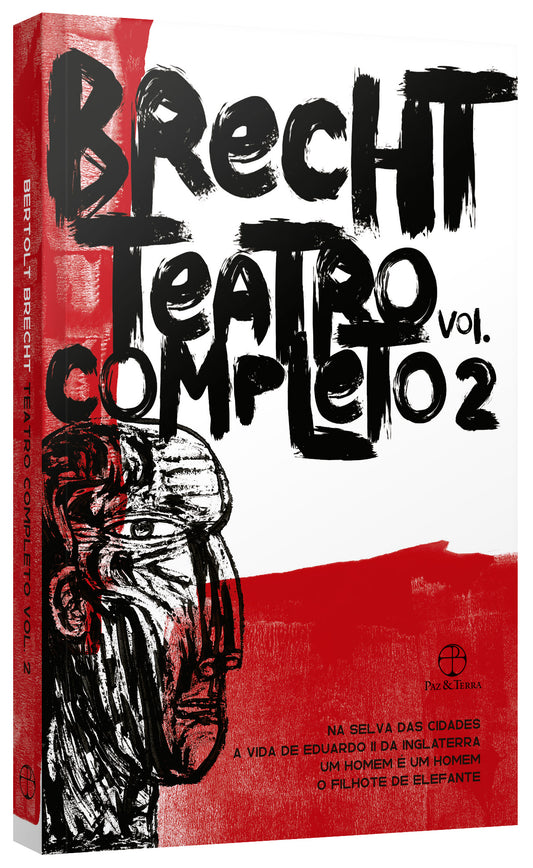
Complete Theater (Vol. 2)
R$ 94,90
Sold out


