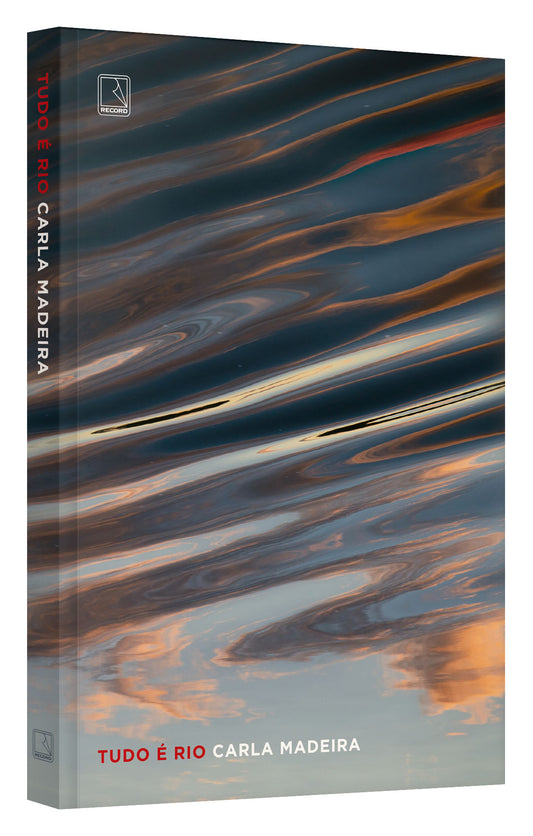
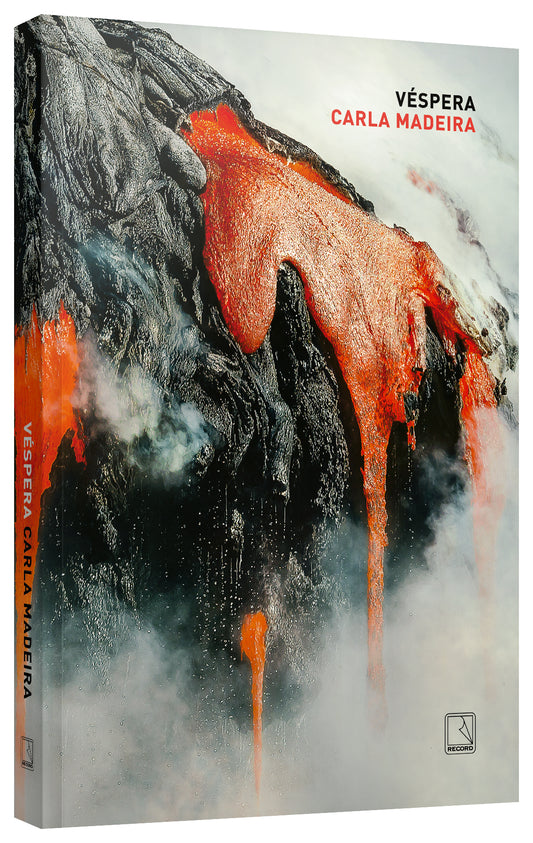
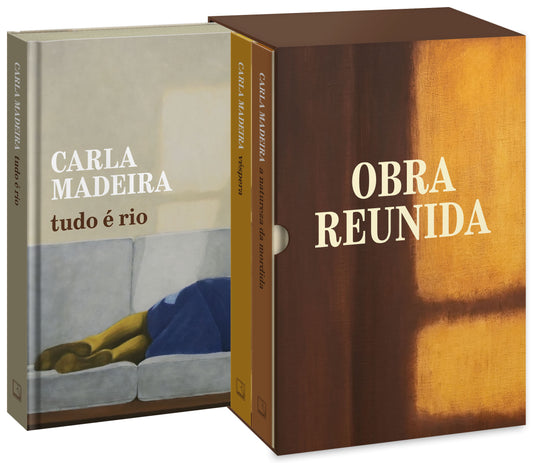
After the captivating Tudo é rio and Véspera , Carla Madeira resumes her deep interest in human conflicts in A natureza da morde.
"What do you no longer have that makes you so sad?" It's with this question that Biá, a retired psychoanalyst with a passion for literature, approaches the young journalist Olívia for the first time when she finds her sitting at a table in a makeshift secondhand bookstore. The unexpected provocation, coming from a stranger who can listen "like someone who embraces," triggers a succession of encounters, marked by growing intimacy and which gradually reveal the two women's stories. "Our friendship began like that, while we were drowning," Olívia recounts.
With alternating voices, Olívia's objective, descriptive, and linear narrative force contrasts with Biá's scattered notes, whose fragments of an already flawed and unreliable memory lead to a turning point in the plot that will reveal to the reader events that marked their pasts, highlighting the parallels between the different forms of abandonment suffered (and perpetrated) by the two friends. By meeting Olívia, the reader is prepared to understand Biá and, ultimately, reflect on the question: what would we do in her place?
As in the author's other novels, the characters seem to leap from the page to confront the reader with universal questions, including the unconditionality of love, the power of desire, guilt and forgetting, memory and its inscrutable dynamic with forgiveness. It is also a book about friendship.
With a unique, powerful and engaging narrative, Carla Madeira reaffirms herself in A natureza da morde as one of the greatest names in contemporary national literature.