"
The new novel by the author of the phenomenon Tudo é rio, Véspera revisits Carla Madeira's brilliant and captivating writing, which awakens all kinds of emotions in the reader.
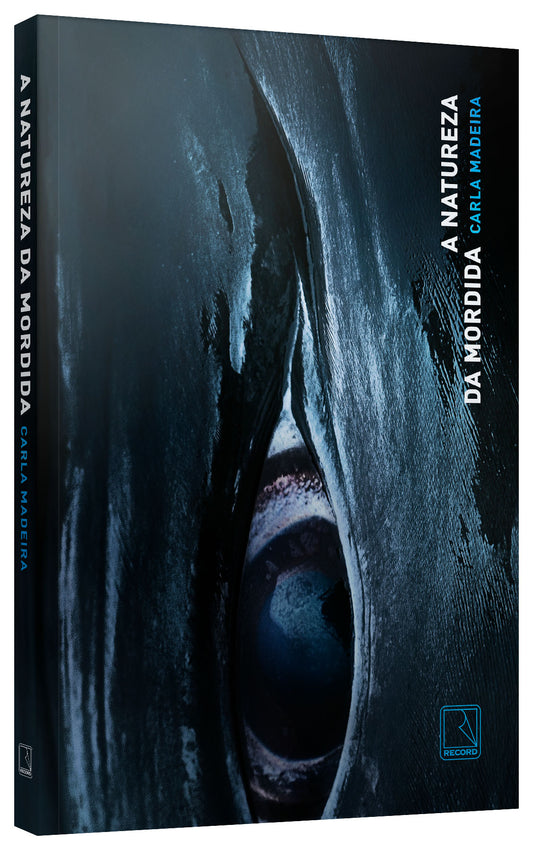
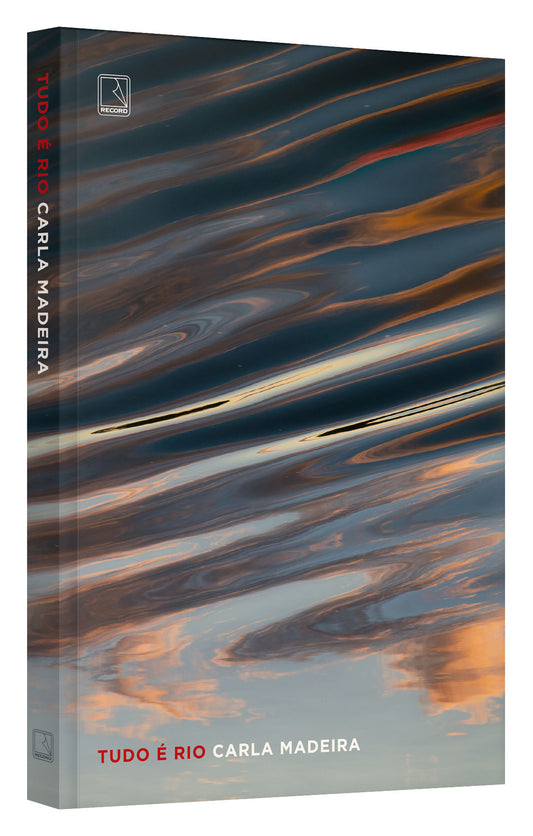
Carla Madeira creates characters who seem to be alive before us. Their emotions are palpable, and their reactions are authentic. We feel as if we know them intimately, including their contradictions and blind spots. This virtue is evident in her highly successful debut book, "Tudo é rio" (2014), but also in her follow-up, "A natureza da morde" (2018).
The characters in Véspera , her new novel, possess the same incredible life force. But if in Tudo é rio Carla created them with few brushstrokes and incisive lines, here, to delineate their personalities, she opts for a superimposition of psychological layers. If before, they were characterized by drastic temperaments—capable of extremes of passion, jealousy, hatred, and forgiveness—here the gradual compositional strategy imbues them with a greater dose of mystery, suggesting to the reader anticipations that are only gradually confirmed, or not. The emotional force remains present, but is less visible, which makes the atmosphere even more charged with suspense and tension.
The narrative begins with the question: how does one reach the extreme? Vedina, a woman torn apart by a loveless marriage, abandons her son in a moment of despair and, immediately regretting it, returns to the place where she left him, finding no trace of him. This is the central event in the plot, which exposes the inner workings of a family—an alcoholic father, a controlling mother, twin brothers strained by their differences—which, like so many other families, becomes a place where the uniqueness of each individual is not embraced, creating cracks through which violence infiltrates.
Told in two time periods—the day of abandonment and the days that preceded it—the novel advances like two waves until they collide and illuminate each other. The reader finds themselves faced with a stunning present that exposes how words are capable of inventing truth.
Time floats invisibly and in a thick present. Nothing rots without it. Nothing blooms. Nothing becomes kind. No hatred thrives. No moisture dries. No thirst quenches. Storms do not disturb its winds, avalanches cannot bury it, perplexity does not paralyze it, evil does not threaten it, and good does not make it linger. But then an event, a single event, captures time and imprisons it.
"