


Couldn't load pickup availability


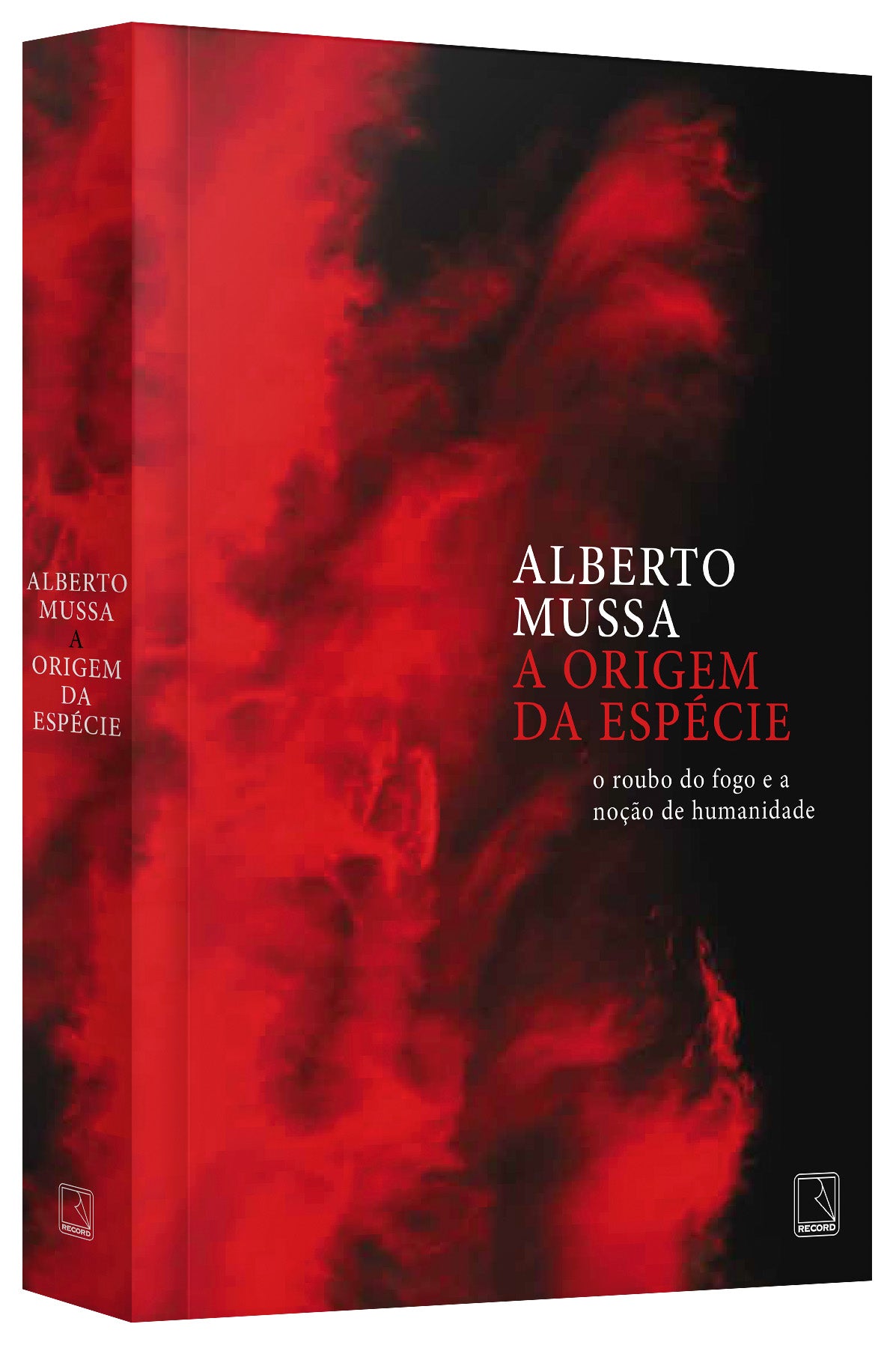
Alberto Mussa
Alberto Mussa nasceu no Rio de Janeiro, em 1961. Depois de cursar dois anos de Matemática na UFRJ, transferiu-se para a Faculdade de Letras, onde concluiu o Mestrado com a dissertação O papel das línguas africanas na história do português do Brasil. Romancista, contista e ensaísta, é autor do Compêndio mítico do Rio de Janeiro, série de cinco novelas policiais, uma para cada século da história carioca. Recriou a mitologia dos antigos tupinambás e a versão pré-histórica do mito do Roubo do Fogo; traduziu a poesia árabe pré-islâmica; e escreveu, com Luiz Antônio Simas, uma história do samba de enredo. Entre outras distinções, recebeu os prêmios Casa de Las Américas, Academia Brasileira de Letras, Oceanos, Machado de Assis (FBN) e APCA. Estudada na Europa, nos Estados Unidos e no Mundo Árabe, sua obra está publicada em dezenove países e dezesseis idiomas.
Mais livros do autor




Open weather







The Riddle of Qaf


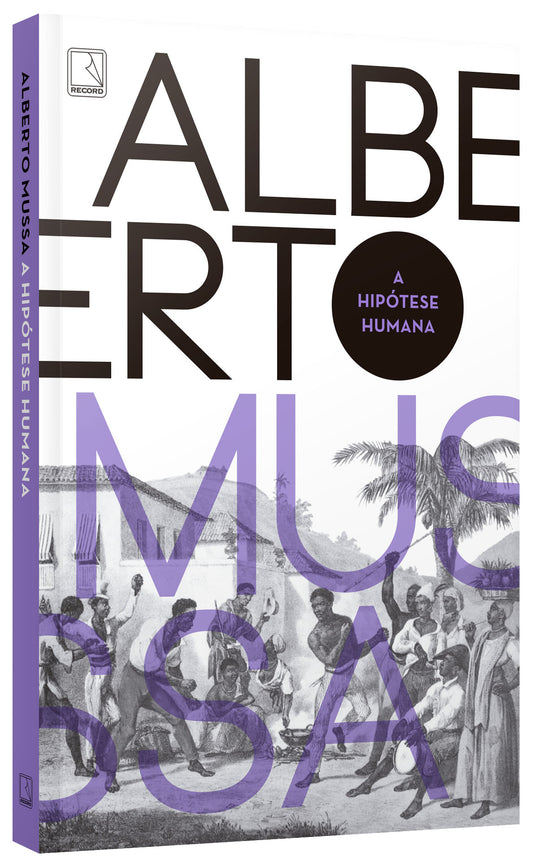
A hipótese humana

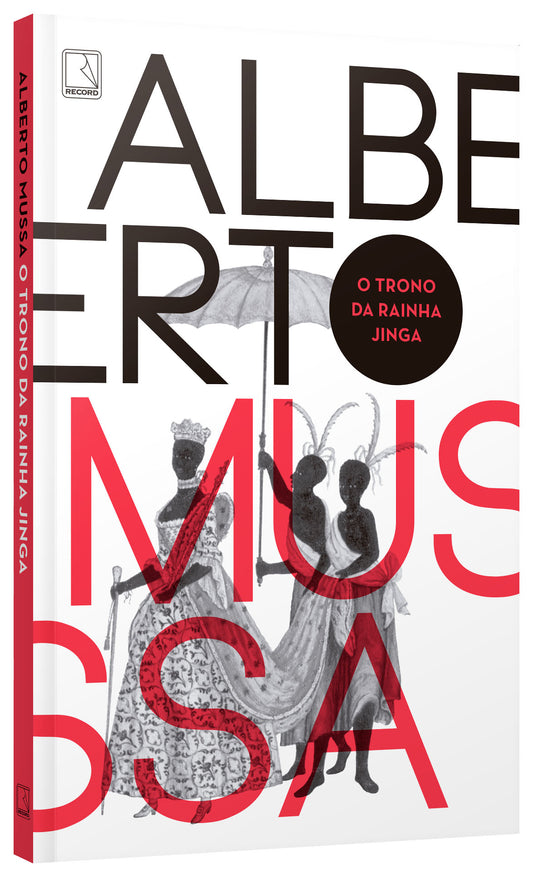


The human hypothesis
Visualizados Recentemente


