Conteúdo do livro
Couldn't load pickup availability
CÓDIGO DA OBRA9786558470106


Sobre o autor
Pablo Neruda
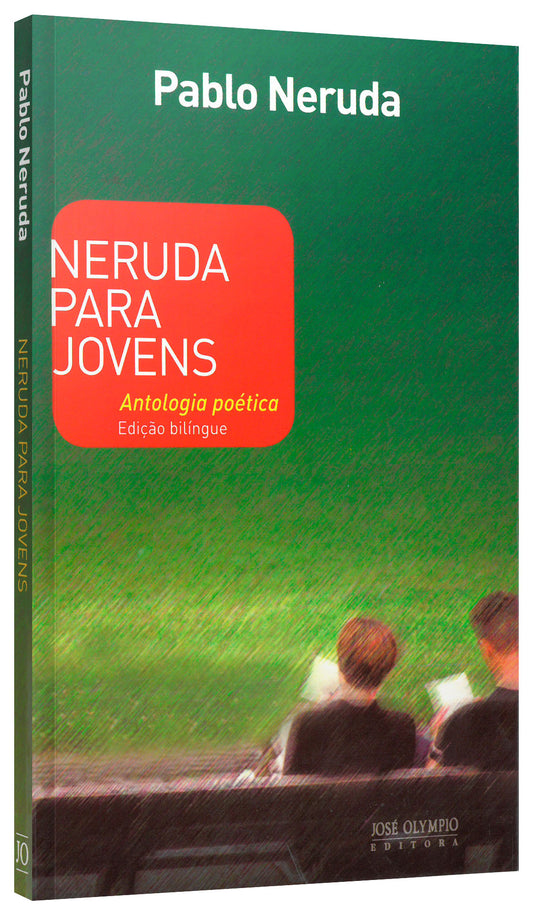
Pablo Neruda (1904-1973) foi um poeta chileno, considerado um dos mais importantes escritores em língua espanhola. Filho de operário ferroviário e professora primária, perdeu a mãe ao nascer. Publicou seus primeiros poemas ainda na fase escolar, no jornal La mañana. Em 1923 publica Crepusculário e, no ano seguinte, Vinte poemas de amor e uma canção desesperada. Em 1927 é nomeado cônsul na Birmânia. Em seguida passa a exercer essa função no Sri Lança, Java, Cingapura, Buenos Aires, Barcelona e Madri. Em Buenos Aires, conheceu García Lorca, e, em Barcelona, Rafael Alberti. Em 1937, um ano após a eclosão da Guerra Civil Espanhola, retorna para o Chile e começa a produzir textos com temáticas políticas e sociais. Em 1939, é designado cônsul para a imigração espanhola, em Paris, e, pouco tempo depois, cônsul geral do México. Sua intervenção em parceria com o governo francês salvou centenas de refugiados espanhóis que imigraram para o Chile em um navio fretado. No México, Neruda escreveu Canto Geral do Chile, considerado um poema épico sobre as belezas naturais e sociais do continente americano. Em 1943, foi eleito senador da República. Comovido com o tratamento repressivo que era dado aos trabalhadores de minas, fez vários discursos, criticando o presidente González Videla. Passou a ser perseguido pelo governo e se exilou na Europa. Em 1952, publicou Os versos do capitão e, dois anos depois, As uvas e o vento. Recebe o prêmio Stalin da Paz em 1953. Em 1965, recebe o título doutor honoris causa da Universidade de Oxford (Inglaterra). Em outubro de 1971, recebeu o Prêmio Nobel de Literatura. Durante o governo do socialista Salvador Allende, foi designado embaixador na França. Doente, retornou ao Chile em 1972. Faleceu doze dias depois do golpe militar que derrubou o presidente Salvador Allende.
Mais livros do autor


Uma casa na areia
R$ 64,90

Sold out
Poetry Book Kit
R$ 29,90
Sold out

Sold out
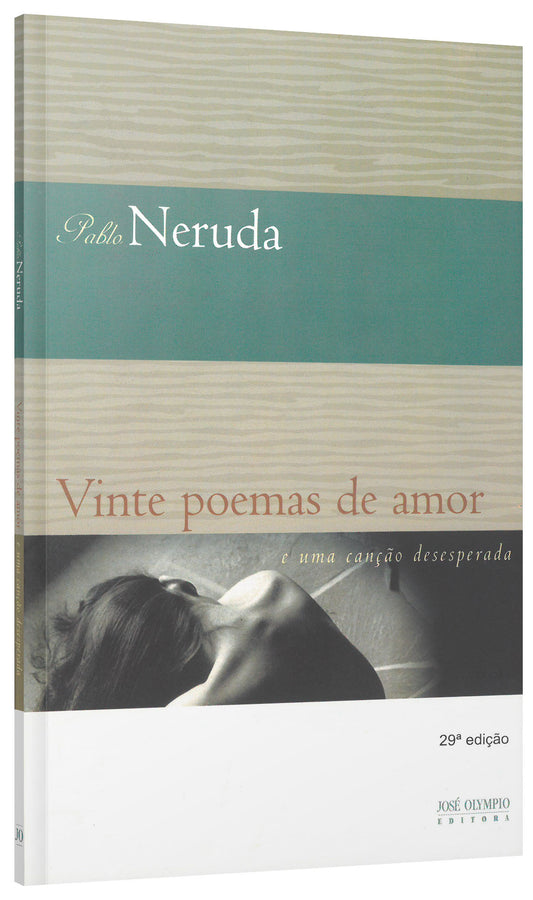
TWENTY LOVE POEMS
R$ 39,90
Sold out



Sold out