


R$ 124,90
R$ 124,90
ou 3x de R$ 41,63
Couldn't load pickup availability

Sobre o autor
Joel Birman
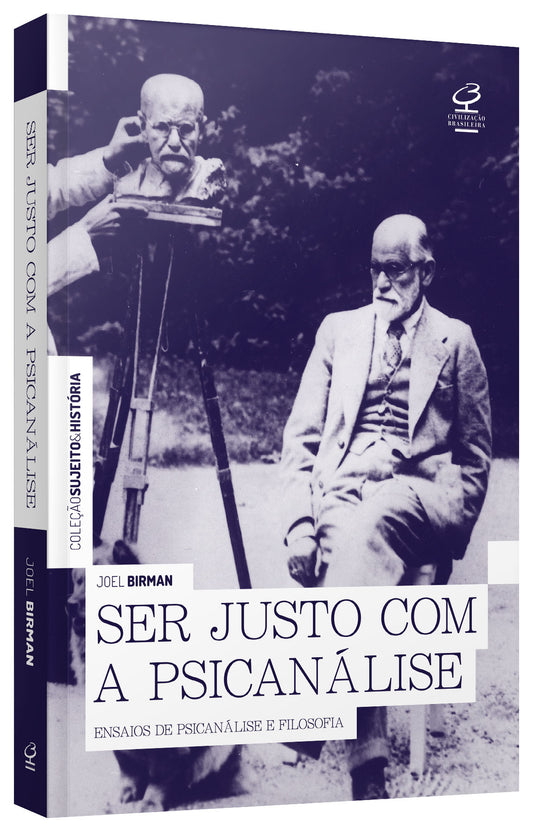
Joel Birman é professor titular e professor aposentado no Instituto de Medicina Social da Uerj. Doutor em Filosofia pela Universidade de São Paulo, pós-doutor pela Université Paris VII, é membro de honra do Espace Analytique. Foi premiado três vezes com o Jabuti, categoria Psicanálise e Psicologia, e recebeu o Prêmio Sérgio Buarque de Holanda, categoria Ensaio Social, da Biblioteca Nacional. Pela Civilização Brasileira, publicou Ser justo com a psicanálise, O trauma na pandemia do Coronavírus, Cartografias do avesso, Cadernos sobre o mal, Mal-estar na atualidade, Gramáticas do erotismo, Arquivos do mal-estar e da resistência, O sujeito na contemporaneidade e As pulsões e seus destinos.
Mais livros do autor


Sold out

Sold out



Sold out



Sold out

Sold out




Visualizados Recentemente

Cartographies of the reverse


