Conteúdo do livro
Couldn't load pickup availability
CÓDIGO DA OBRA9788501110367



Sobre o autor
Gabriel García Márquez
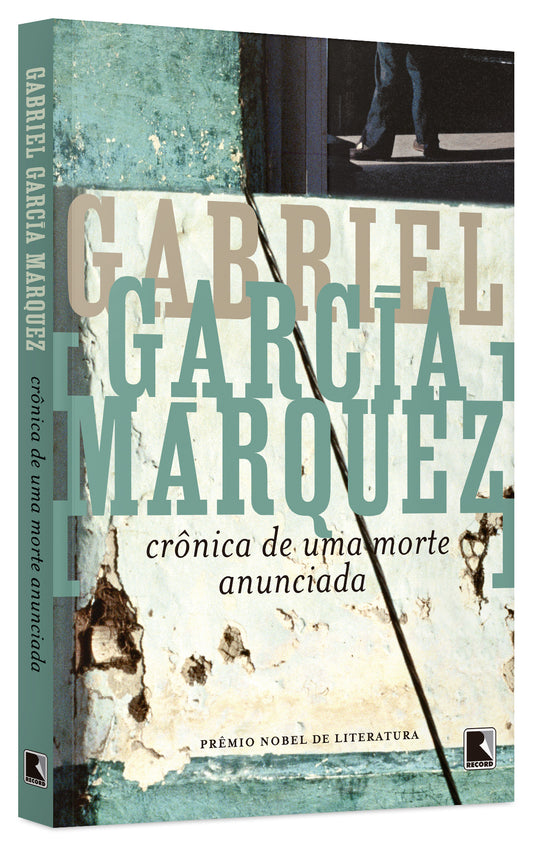
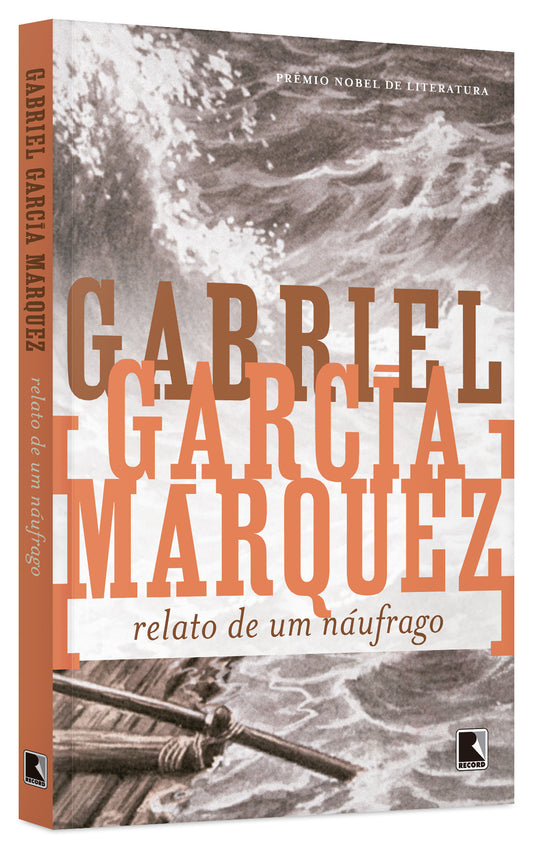
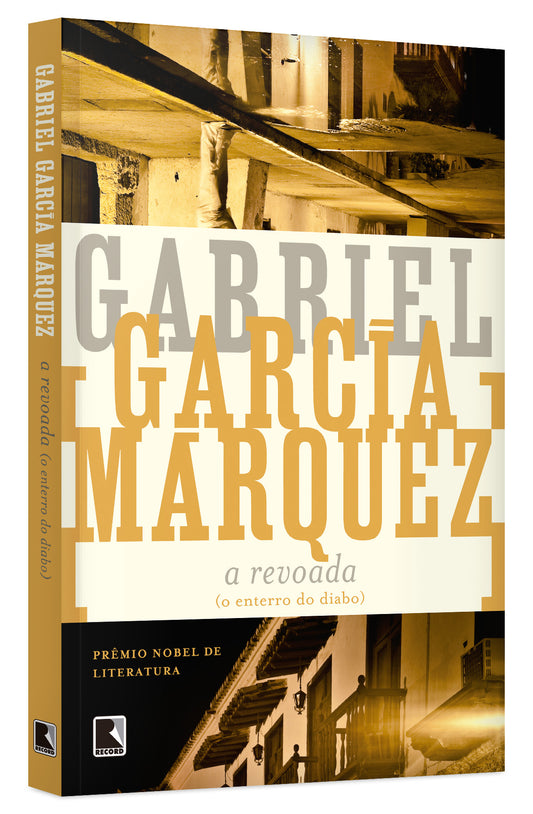
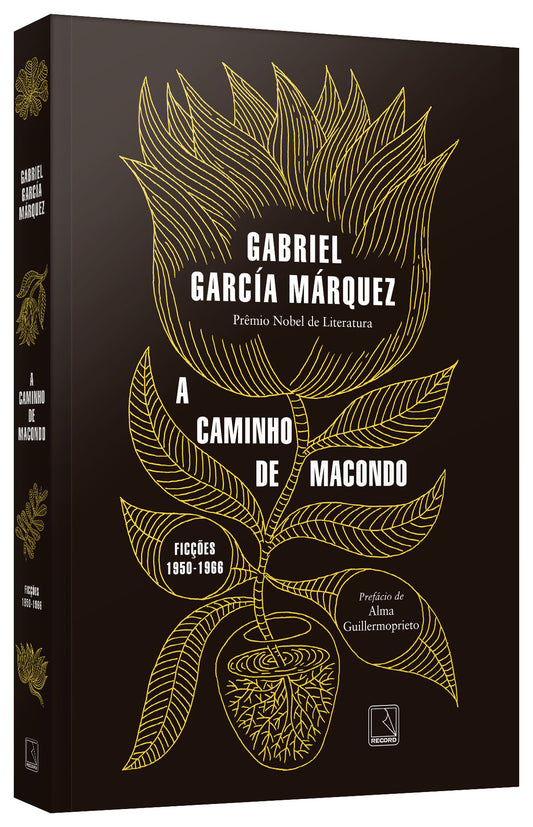
Gabriel García Márquez (1927-2014), também conhecido como Gabo, nasceu na aldeia de Aracataca nas imediações de Barranquilla, Colômbia. Começou seu trabalho de jornalista em 1949, atuando em diversas jornais e cidades, inclusive como correspondente internacional em Nova York para o jornal El Espectador. Posteriormente, sua obra jornalística foi compilada e publicada em 5 volumes. Mas foi na ficção em que alcançou reconhecimento internacional, sendo autor de alguns dos maiores romances do século XX e considerado mestre do realismo mágico latino-americano. Em 1982, recebeu o Prêmio Nobel de Literatura pelo conjunto de sua obra. Entre suas principais obras estão Cem anos de solidão, O amor nos tempos de cólera, Crônica de uma morte anunciada, Notícia de um sequestro e Memória de minhas putas tristes.
Mais livros do autor





See you in August
R$ 69,90



Sold out
Big Mama's funeral
R$ 64,90
Sold out










Sold out


As cartas do Boom
R$ 219,90

LIVE TO TELL
R$ 169,90