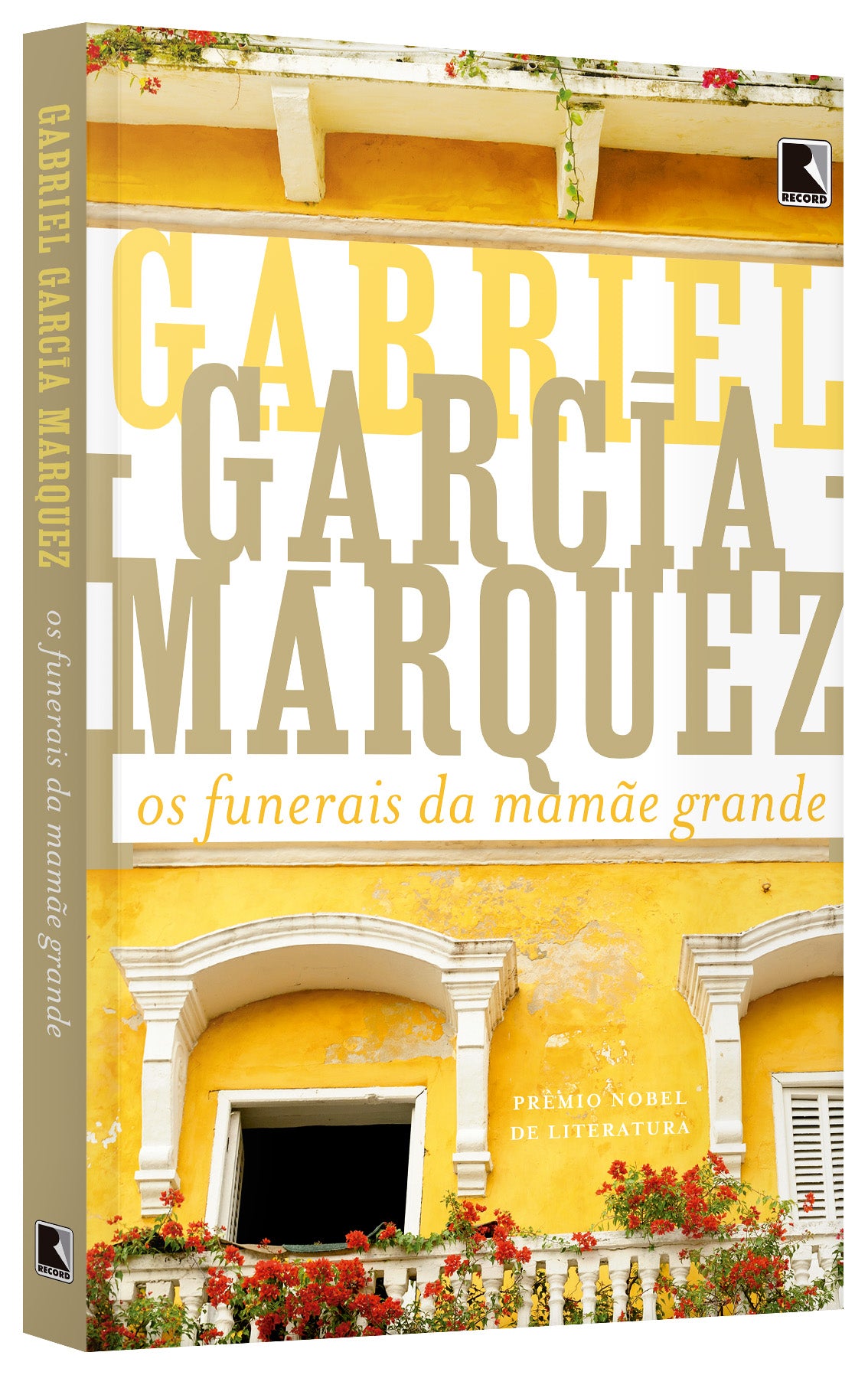
Big Mama's funeral

Big Mama's funeral

Conteúdo do livro
CÓDIGO DA OBRA9788501016560
Sinopse
"

A collection of eight short stories by one of Latin America's greatest authors of the 20th century, the master of magical realism Gabriel García Márquez

In the stories of *The Funerals of Big Mama* , one of García Márquez's earliest works, one breathes the air of Macondo: in the flowers wrapped in newspaper brought by the thief's mother to her son's grave; in the singular scene of the dentist extracting the tooth of one of the most powerful men in the region; in the disappearance of the billiard balls, a crime that mobilizes the entire town in search of the cruel villain; in the splendor of Baltazar's cage, commissioned and then refused by a colonel, sanctifying its creator; in the sadness of the widow Montiel, who lives abandoned; in the melody of the dying birds and decimated rats; and, finally, in the splendid funeral of the powerful Big Mama, honored by the presence of the president of the republic and His Holiness, the pope.

Big Mama's Funerals is a blend of the trivial and the fantastic, the tragic monotony of life in a village cut through by flashes of fate that cast unexpected and strange light on people's souls—the profound humanity and artistic mastery of the great Colombian writer. In the eight short stories in this book, Gabriel García Márquez, winner of the Nobel Prize for Literature in 1982, takes a sentimental journey through his hometown, without neglecting a critical eye on the harsh social reality, the poverty of the land, and the rule of the colonels.

"
ISBN978-850-101-656-0
Tradutor Édson Braga
Altura210 mm
Largura135 mm
Profundidade13 mm
Lançamento01/03/1980
Páginas160
View full details
Conteúdo do livro
CÓDIGO DA OBRA9788501016560
Sobre o autor

Gabriel García Márquez

Gabriel García Márquez (1927-2014), também conhecido como Gabo, nasceu na aldeia de Aracataca nas imediações de Barranquilla, Colômbia. Começou seu trabalho de jornalista em 1949, atuando em diversos jornais e cidades, inclusive como correspondente internacional em Nova York para o jornal El Espectador. Posteriormente, sua obra jornalística foi compilada e publicada em 5 volumes. Mas foi na ficção que alcançou reconhecimento internacional, sendo autor de alguns dos maiores romances do século XX e considerado mestre do realismo mágico latino-americano. Em 1982, recebeu o Prêmio Nobel de Literatura pelo conjunto de sua obra. Entre suas principais obras estão Cem anos de solidão, O amor nos tempos de cólera, Crônica de uma morte anunciada, Notícia de um sequestro e Memória de minhas putas tristes.

Ver mais sobre o autor