


R$ 249,90
R$ 249,90
ou 3x de R$ 83,30
Couldn't load pickup availability



Sobre o autor
José Beniste
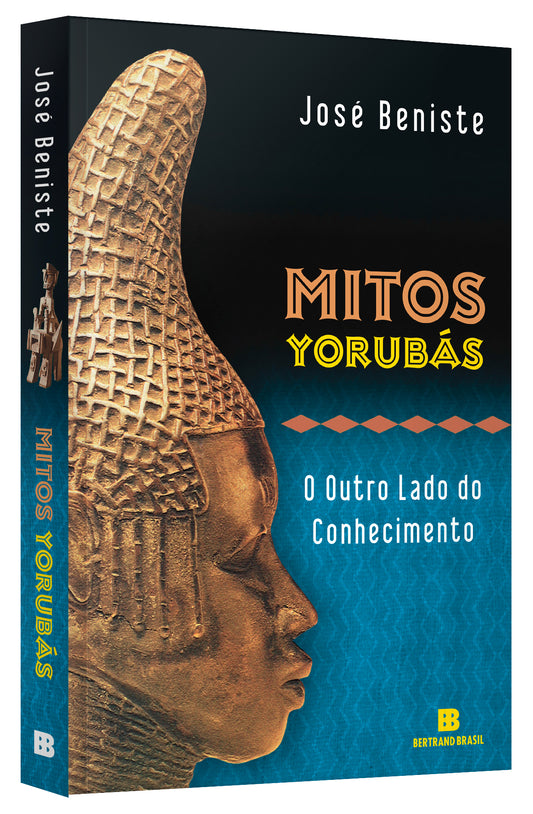
José Beniste é conferencista e autor de ensaios sobre os diversos cultos de raízes africanistas. Foi iniciado no Candomblé Ketu em 1984. Historiador, pesquisador e integrante de movimentos que visam a restauração da dignidade religiosa afro-brasileira, José Beniste mantém uma vasta documentação sobre a história do candomblé no Brasil e demais segmentos religiosos, com literatura especializada e centenas de gravações e depoimentos. Esses depoimentos foram conseguidos através de seu programa radiofônico sobre as religiões afro-brasileiras, em 1970, e até hoje são consultados por estudiosos do assunto. Lançou também, pela Bertrand Brasil, História dos Candomblés do Rio de Janeiro.
Mais livros do autor















Visualizados Recentemente

Yoruba-Portuguese Dictionary


