


Conteúdo do livro
Couldn't load pickup availability
CÓDIGO DA OBRA9786555874952


Sobre o autor
John Gray
John Gray é filósofo britânico, autor de obras influentes como A alma da marionete, Missa negra e A anatomia de Gray. Foi professor de Pensamento Europeu na London School of Economics e lecionou também em Oxford, Harvard e Yale. Atualmente, escreve para a revista New Statesman, onde é reconhecido por suas análises incisivas sobre política, filosofia e cultura. Seu trabalho se destaca por questionar frontalmente o humanismo secular, a ideia de progresso e os fundamentos morais da modernidade.
Mais livros do autor

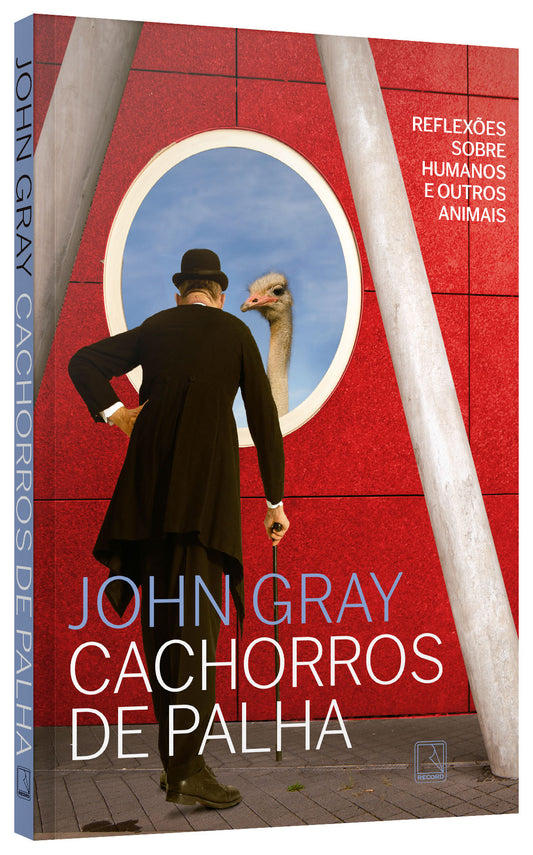
Cachorros de palha
R$ 69,90


Missa negra
R$ 94,90




Sold out
The search for immortality
R$ 74,90
Sold out

Sold out
The soul of the puppet
R$ 59,90
Sold out

Sold out
Gray's Anatomy
R$ 89,90
Sold out


