


Couldn't load pickup availability
João Fragoso
"
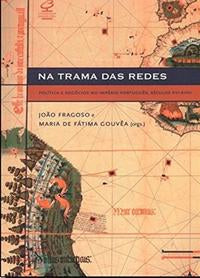
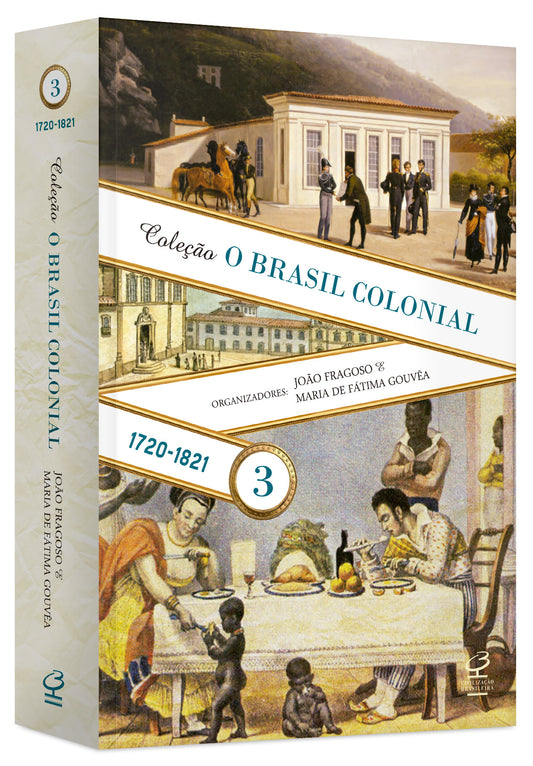
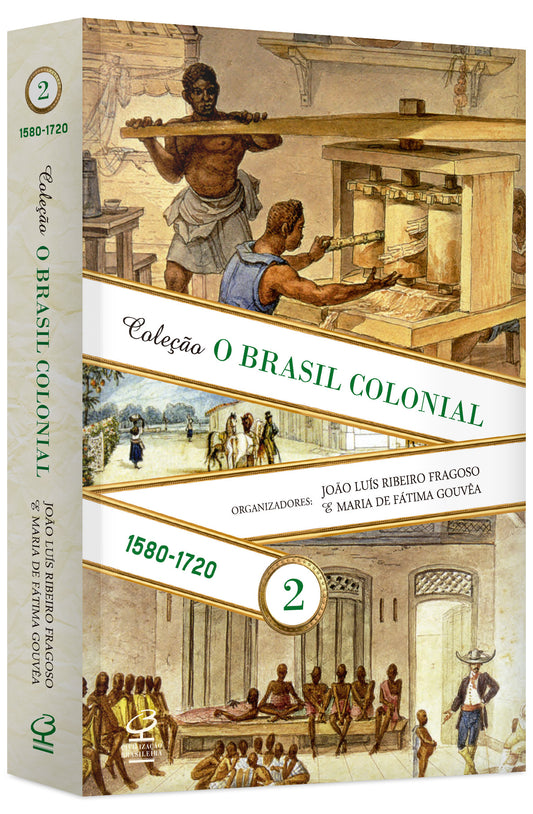
João Fragoso é professor titular de História Moderna, com ênfase em História do Brasil Colônia, na Universidade Federal do Rio de Janeiro. Com a Coleção Brasil Colônia, editada pela Civilização Brasileira, recebeu o Prêmio Jabuti - Ciências Humanas em 2015. Outros títulos do autor publicados pela editora são, Um reino e suas repúblicas no Atlântico, Homens de grossa aventura, Antigo Regime nos trópicos: a dinâmica imperial portuguesa, Conquistadores e negociantes: histórias de elite no Antigo Regime nos trópicos e Na trama das redes: política e negócios no império português - séc. XVO-XVIII.
Maria de Fátima Gouvêa foi professora de História na Universidade Federal do Rio de Janeiro, com especialização em estudo das instituições no período do Brasil Colonial. Com a Coleção Brasil Colônia, editada pela Civilização Brasileira, recebeu o Prêmio Jabuti - Ciências Humanas em 2015. Outros títulos da autora publicados pela editora são, Antigo Regime nos trópicos: a dinâmica imperial portuguesa e Na trama das redes: política e negócios no império português - séc. XVO-XVIII.
"Mais livros do autor



Maria de Fátima Gouvêa
Mais livros do autor

Visualizados Recentemente


