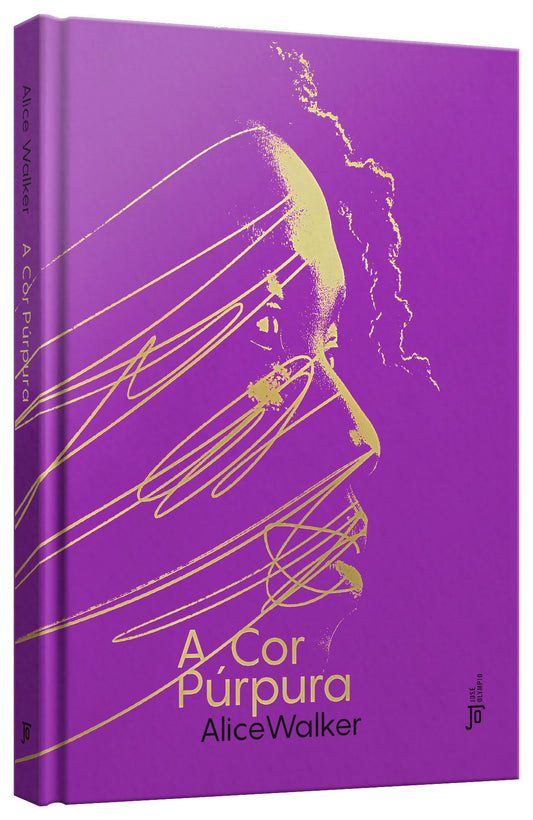
Engaged with Martin Luther King in the Civil Rights Movement, feminist activist Alice Walker continues to fight tirelessly for women's rights, particularly against the mutilations imposed on them. Thirty years after denouncing the racial and sexual oppression of Black American women, she published *Breaking the Silence* , in which she movingly describes her impressions gained during trips to the thresholds of hell: to Rwanda and the Congo in 2006, invited by the organization Women for Women International to meet with survivors of the genocide that occurred in those countries; and, in 2009, at the initiative of the pacifist group CODEPINK, to Palestine and Israel. In these regions ravaged by political conflicts and insane wars, she collected stories of ordinary people, men and women whose peaceful daily lives were shattered by bloodshed, thus confronting the unspeakable, the unspeakable.
Back in the United States, Alice sought a way to tell these stories so that others could nurture their critical thinking about the "information" disseminated by the media—or, even better, they could access this knowledge and, perhaps, change their attitude toward the world by adopting a pacifist and humanitarian bias. But how to speak about the unspeakable? What words to choose? How to swallow the tears we would cry with our suffering brothers and sisters so they don't drown out our inspiration? Faced with what cannot be said, all we have left is poetry. And that's how Alice told the tragic stories she collected: poetically.