


Conteúdo do livro
Couldn't load pickup availability
CÓDIGO DA OBRA9788501922779


Sobre o autor
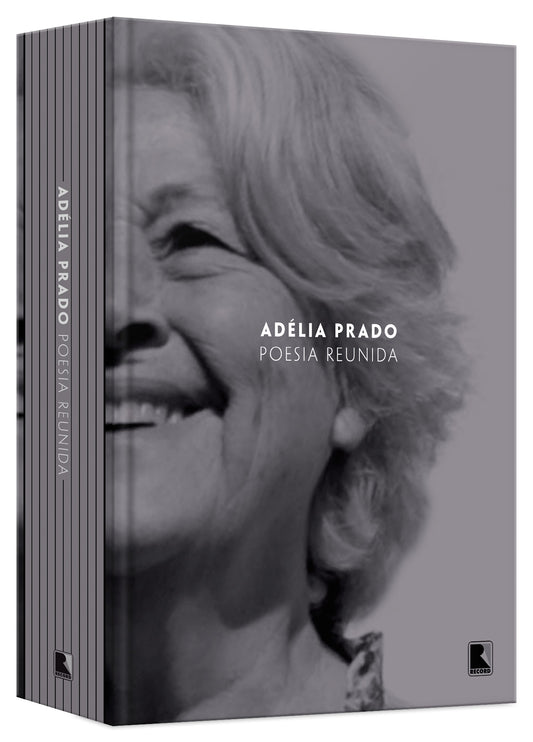
Adélia Prado
Adélia Luzia Prado de Freitas nasceu em 13 de dezembro de 1935, em Divinópolis, Minas Gerais, onde vive até hoje. Escreveu os primeiros versos aos 15 anos, logo após o falecimento da mãe. Completou o Magistério em 1953 e começou a lecionar em 1955. Em 1958, casou-se com José Assunção de Freitas, com quem teve cinco filhos. Antes do nascimento da caçula, a escritora e o marido iniciaram o curso de Filosofia da Faculdade de Filosofia, Ciências e Letras de Divinópolis, formando-se em 1973, um ano após a morte do pai. Poucos anos depois, enviou os originais de seus poemas ao crítico e escritor Affonso Romano de Sant’Anna. Este os submeteu à apreciação de Carlos Drummond de Andrade, que considerou os poemas “fenomenais” e indicou sua publicação a Pedro Paulo de Sena Madureira, da Editora Imago. Empolgado com o que leu, o editor decidiu publicar os originais, o que resultou no lançamento de Bagagem, no Rio de Janeiro, em 1976, com a presença de Antônio Houaiss, Rachel Jardim, Drummond, Clarice Lispector, Affonso Romano de Sant’Anna e Nélida Piñon, entre outros intelectuais e escritores. Desde então, a obra de Adélia Prado tornou-se um marco da literatura brasileira, abrangendo, além da poesia, também contos, romances, livros infantis e peça de teatro.
Vencedora de inúmeros prêmios literários – entre os quais Camões, Griffin, Machado de Assis, Jabuti e Biblioteca Nacional –, Adélia Prado foi condecorada pelo Governo Brasileiro com a Ordem do Mérito Cultural em 2014.
Mais livros do autor

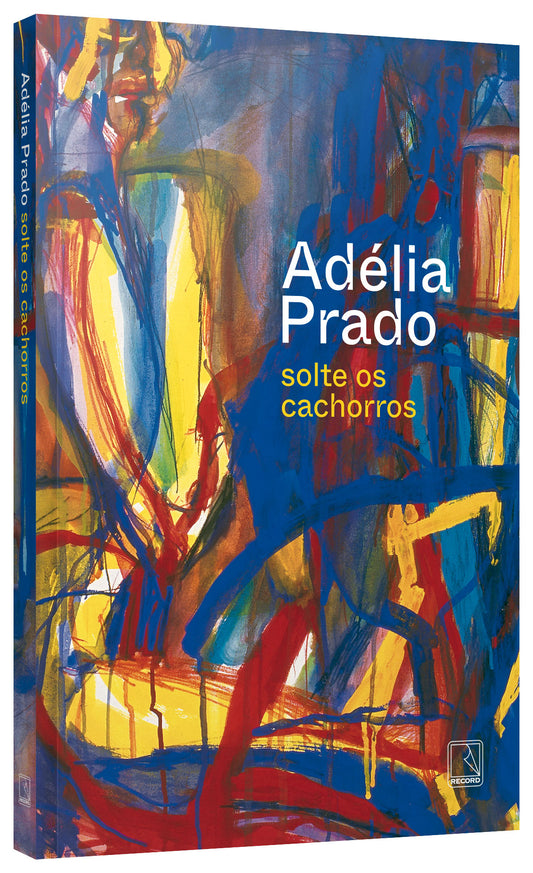
Solte os cachorros
R$ 59,90


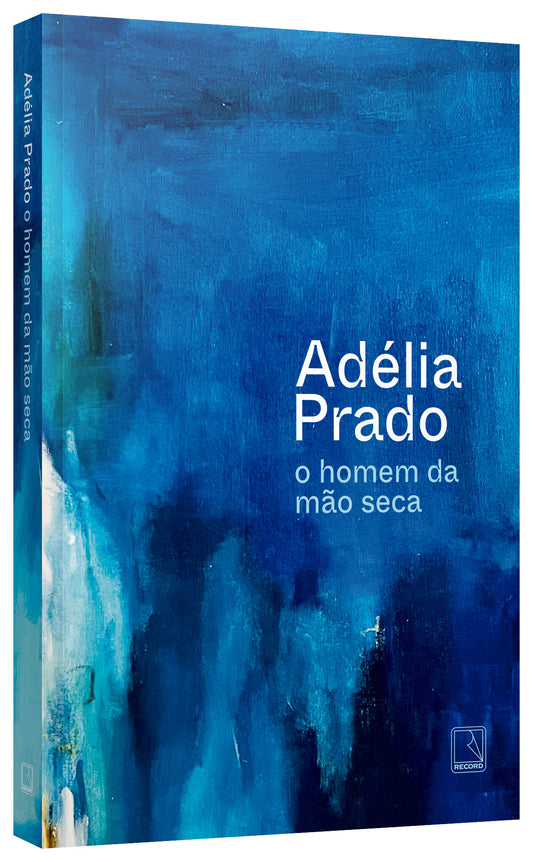
O homem da mão seca
R$ 69,90


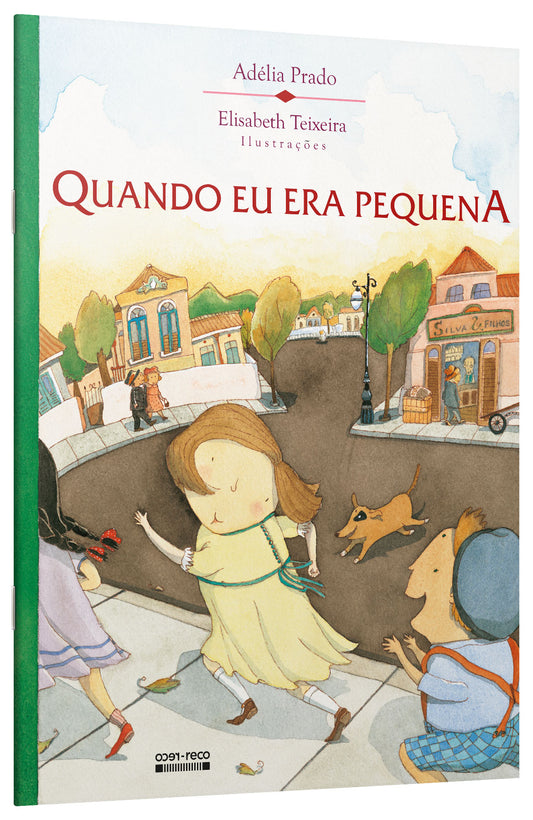
WHEN I WAS LITTLE
R$ 64,90



O pelicano
R$ 59,90


Coming soon
Prosa reunida
R$ 229,90
Coming soon

Coming soon
O coração disparado
R$ 69,90
Coming soon



Sold out
FELIPA'S MANUSCRIPTS
R$ 49,90
Sold out

Sold out
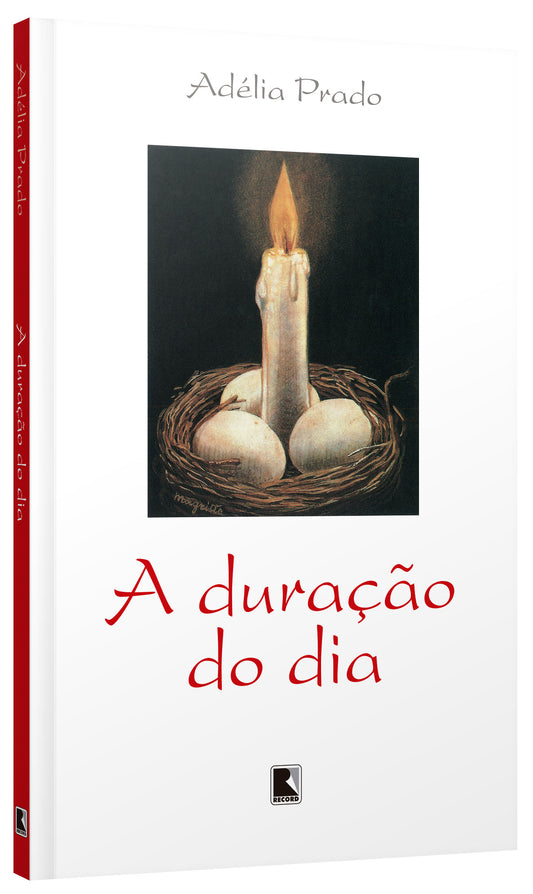
The length of the day
R$ 59,90
Sold out

Sold out
The heart racing
R$ 59,90
Sold out

Sold out
THE COMPONENTS OF THE BAND
R$ 54,90
Sold out

Sold out
May Oracles
R$ 49,90
Sold out

I WANT MY MOTHER
R$ 49,90


