An unprecedented collection of the five novels from the Compêndio Mítico do Rio de Janeiro, by Alberto Mussa, in an exclusive box with new covers and a booklet by Hermano Vianna.
Alberto Mussa, winner of the Casa de las Americas, Biblioteca Nacional, and ABL awards, among others, once stated that a city is not defined by the temperament of its people or its culture, but by the history of its crimes. With this Mythical Compendium, Mussa tells the story of Rio de Janeiro in five compelling crime novels, one for each century since the city's founding, offering a snapshot that exposes the inner workings and powerful blend of cultures and peoples of the state capital. Independent works that can be read at any time, in any order, the books in the Compendium belong, cumulatively, to five traditional genres: carioca, historical, fantasy, crime, and adultery. A delight for readers.
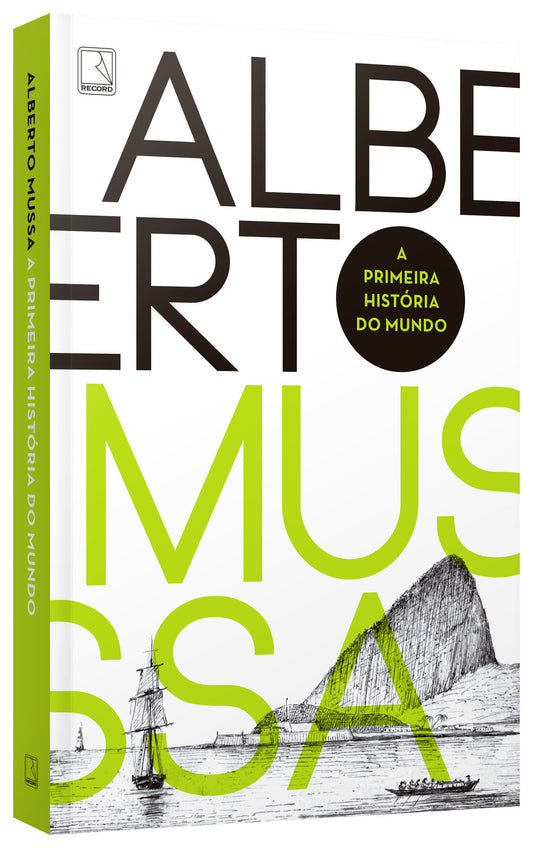
The First History of the World (256 pages)
In 1567, the first murder in Rio de Janeiro was formally recorded: a man found shot to death by arrows, a crime of passion that, between suspects, defendants, and witnesses, involved 15% of the city's population at the time. The world's first history recreates Brazil in its infancy in an adventure novel, with pirates, scoundrels, heroes, and fearless and ambitious adventurers in a lawless land.
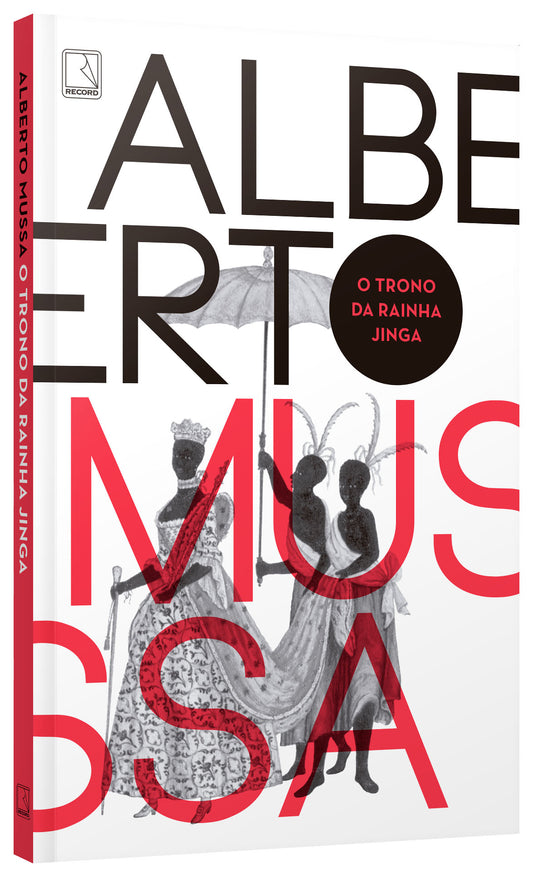
Queen Jinga's Throne (128 pages)
Five crimes, allegedly masterminded by a secret brotherhood of slaves, the Judas heresy , drive the plot. To elucidate the facts, Unhão Dinis, a judge "by royal appointment," along with shipowner and whaler Mendo Antunes, will track down clues to solve the complex puzzle of crimes. Each chapter is narrated by a different character, with their own perspective on the story. In this journey through 17th-century Rio, The Throne of Queen Jinga weaves a captivating plot about Africa's influence on the formation of Brazil.
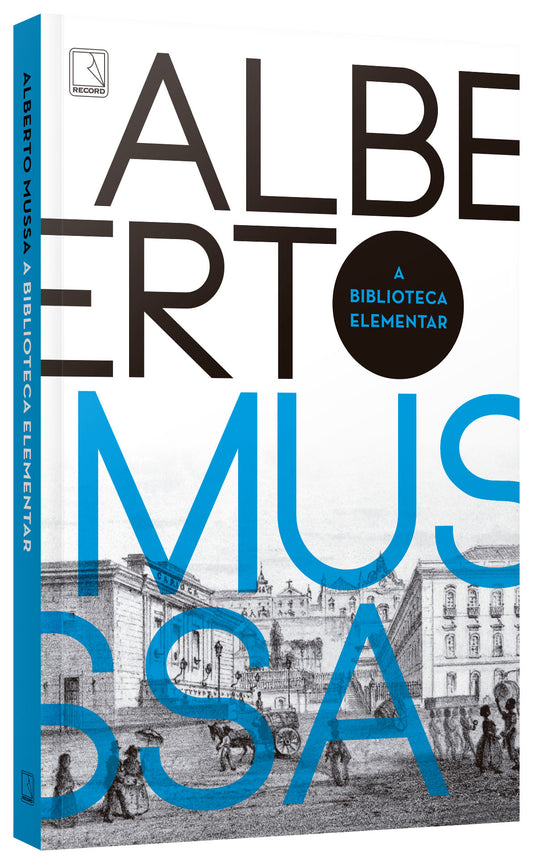
The Elementary Library (192 pages)
A crime occurs in 1733, on Rua do Egito, which would later become Largo da Carioca. In the dead of night, a gypsy woman witnesses a man in a tailcoat, pistol in hand, threaten another man in a Spanish cape and high boots. They grapple. The gun goes off. The man in the tailcoat falls, mortally wounded. The gypsy woman quickly identifies victim and perpetrator, but says nothing—she also has much to hide. With passions and enmities, fears and resentments, desires, magic, and the dead who return like shadows, The Elementary Library relies on suspense to transport the reader to 1970s Rio de Janeiro.
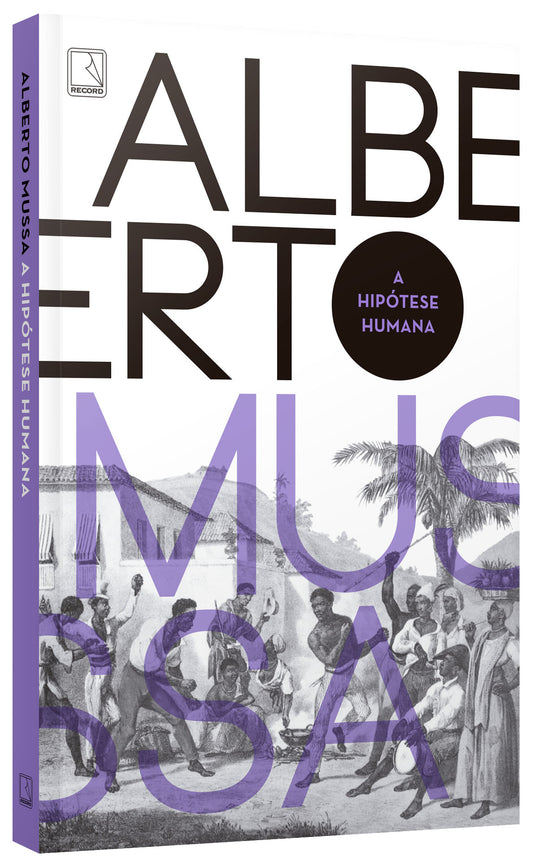
The Human Hypothesis (176 pages)
Gunshots in the night and a crime: the circumstances surrounding the murder of Domitila, daughter of Colonel Chico Eugênio, inside the family farm in Catumbi in 1854 are mysterious. The investigation is led by Detective Tito Gualberto, the victim's cousin and a skilled capoeira fighter, who will attempt to complete the puzzle of the crime. The human hypothesis presents a Rio de Janeiro of capoeira fighters who know how to kill like a dancer, divided into territories controlled by rival nations, and the reader will have the pleasure of unraveling its secrets.
The Lord on the Left (304 pages)
The murder of the secretary of the presidency of the Republic in Casa das Trocas, a luxury brothel in Rio de Janeiro, in 1913 is the starting point for a crucial investigation. The investigation goes beyond a simple sequence of events and clues leading to the killer's identity—a secondary concern for the investigator, completely absorbed by the seductive figure of Aniceto, brother of the main suspect in the crime, the prostitute Fortunata, who spent the night with the victim. The gentleman on the left won the Fiction Award from the Brazilian Academy of Letters (ABL) and the Machado de Assis Award from the National Library Foundation.