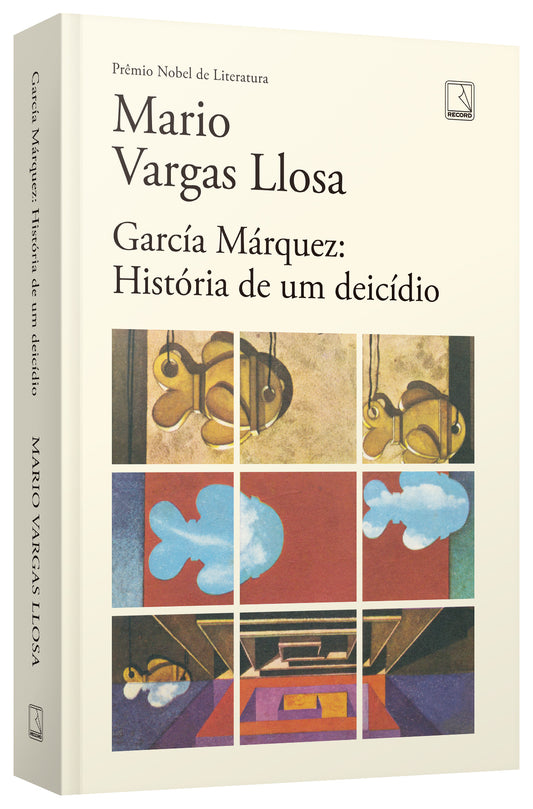
Conteúdo do livro
Couldn't load pickup availability
CÓDIGO DA OBRA9786555872354

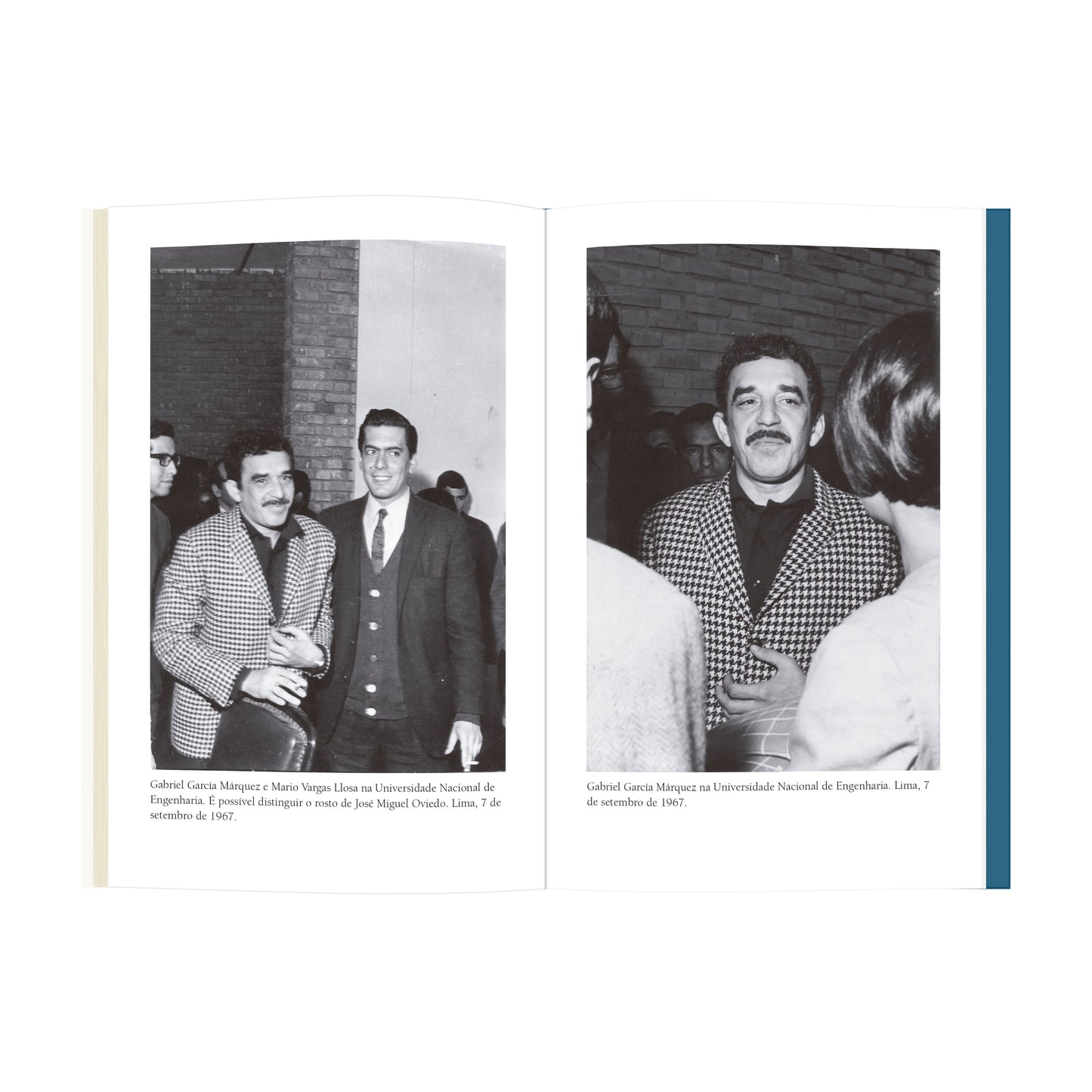
Sobre o autor
Gabriel García Márquez
Gabriel García Márquez (1927-2014), também conhecido como Gabo, nasceu na aldeia de Aracataca nas imediações de Barranquilla, Colômbia. Começou seu trabalho de jornalista em 1949, atuando em diversas jornais e cidades, inclusive como correspondente internacional em Nova York para o jornal El Espectador. Posteriormente, sua obra jornalística foi compilada e publicada em 5 volumes. Mas foi na ficção em que alcançou reconhecimento internacional, sendo autor de alguns dos maiores romances do século XX e considerado mestre do realismo mágico latino-americano. Em 1982, recebeu o Prêmio Nobel de Literatura pelo conjunto de sua obra. Entre suas principais obras estão Cem anos de solidão, O amor nos tempos de cólera, Crônica de uma morte anunciada, Notícia de um sequestro e Memória de minhas putas tristes.
Mais livros do autor



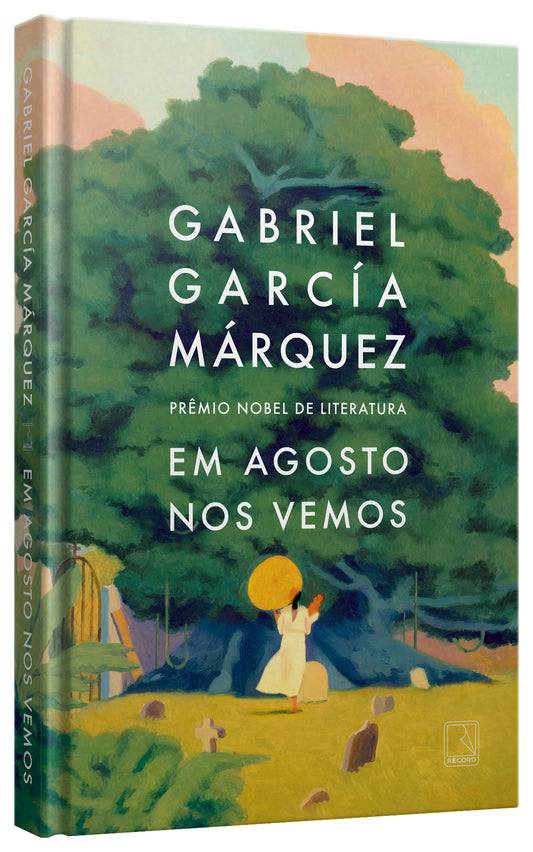
See you in August
R$ 69,90

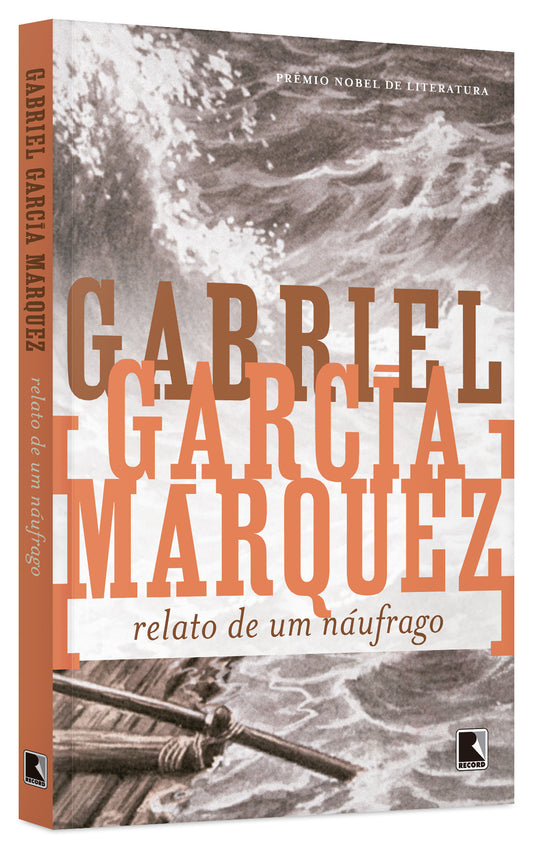

Sold out
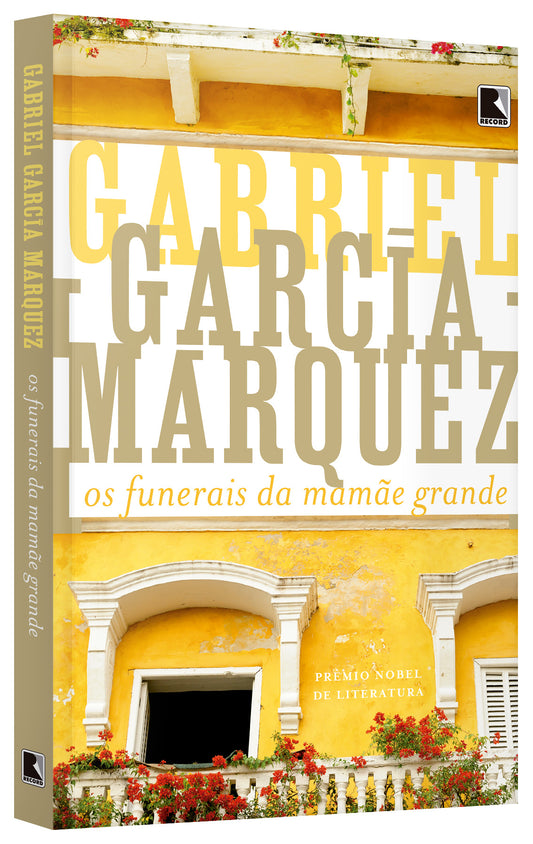
Big Mama's funeral
R$ 64,90
Sold out


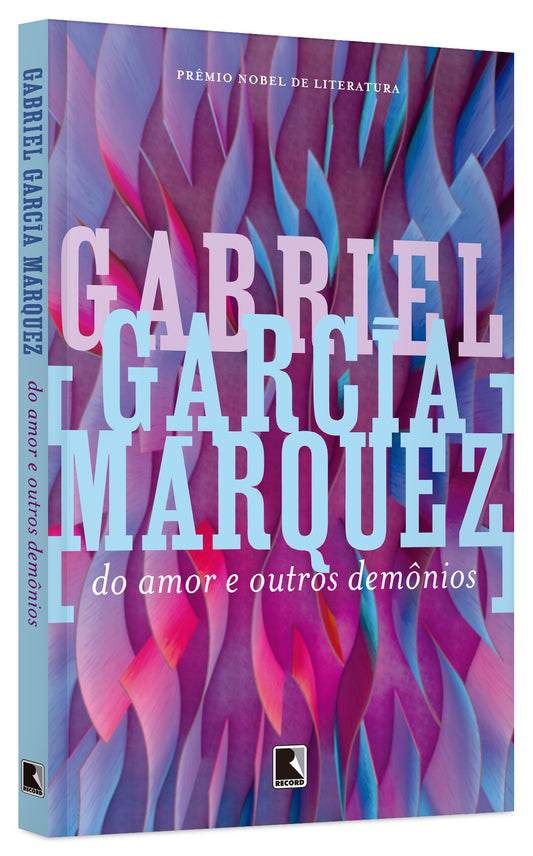

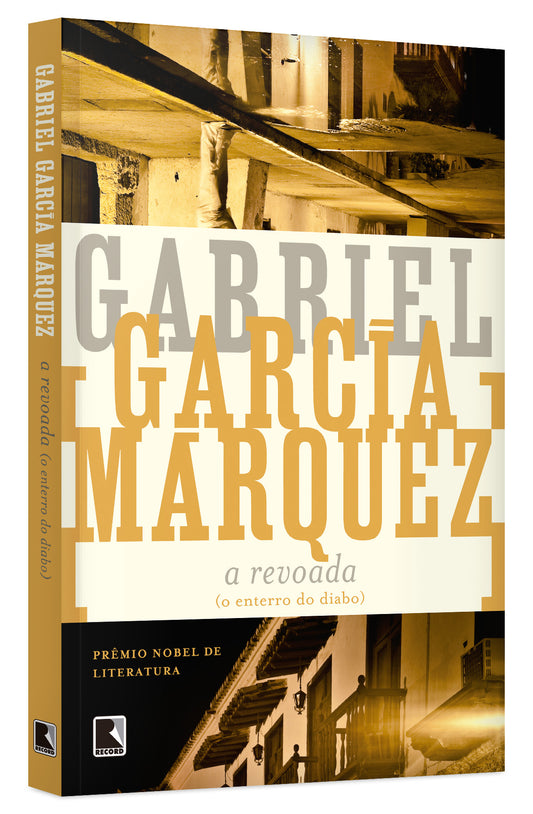

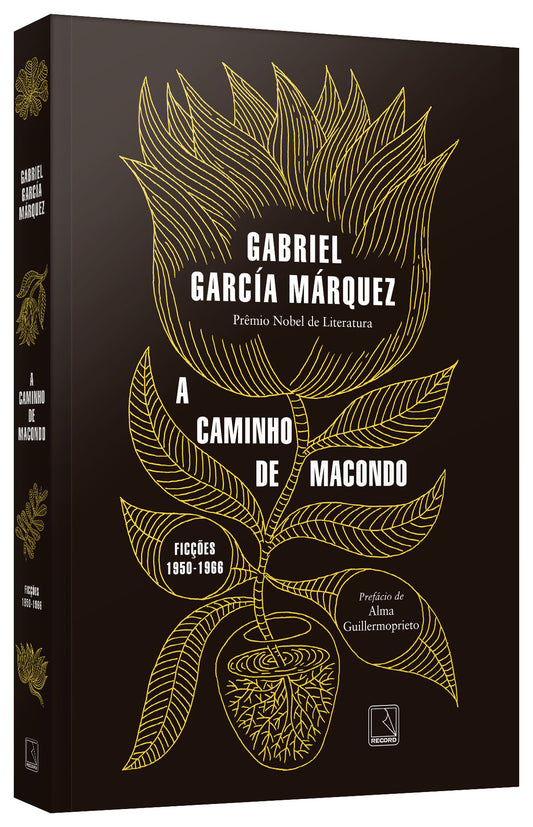


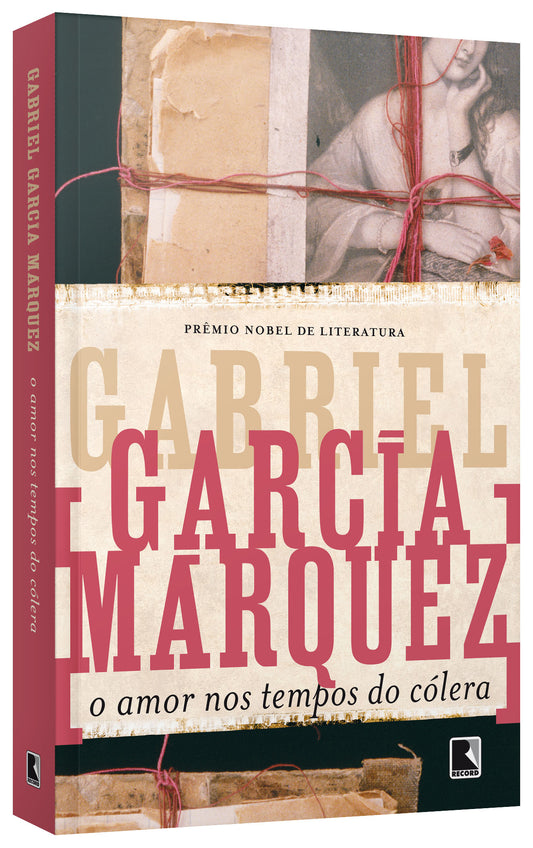

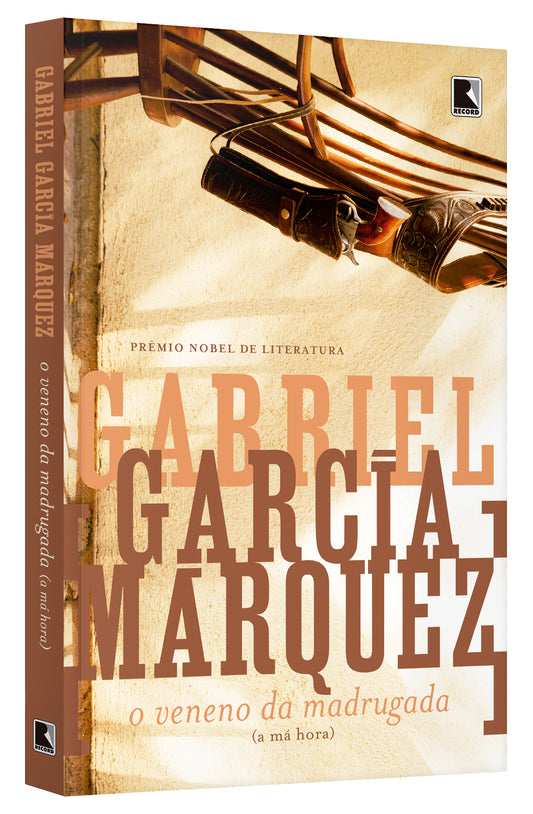


Sold out


As cartas do Boom
R$ 219,90

LIVE TO TELL
R$ 169,90


Sobre o autor
Mario Vargas Llosa
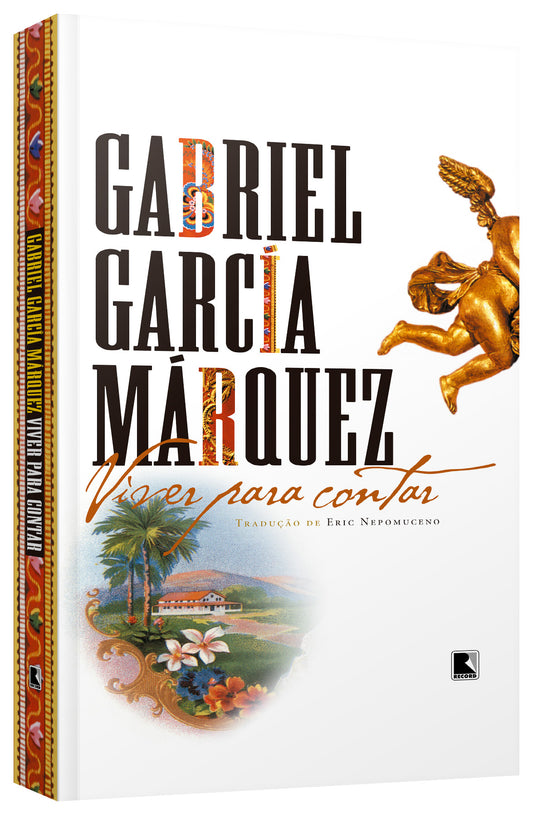
Gabriel García Márquez (1927-2014) foi um escritor colombiano. Vencedor do Prêmio Nobel de Literatura em 1982, foi, além disso, autor de novelas, contos, ensaios, críticas de cinema e roteiros e um intelectual comprometido com os grandes problemas de nossa época. Expoente máximo do “realismo mágico”, é criador de um dos mundos ficcionais mais pessoais do século XX. Entre suas obras estão os romances Cem anos de solidão, Ninguém escreve ao coronel, Relato de um náufrago, Crônica de uma morte anunciada, O veneno da madrugada, O general em seu labirinto, O amor nos tempos do cólera e Memória de minhas putas tristes; o livro de contos Doze contos peregrinos; e a autobiografia Viver para contar.
Mario Vargas Llosa é um escritor hispano-peruano (1936). Vencedor do Prêmio Nobel de Literatura em 2010, sua narrativa abriu um caminho fértil para toda a literatura em língua espanhola. Entre seus livros, considerados clássicos e merecedores de alguns dos mais importantes prêmios internacionais, estão os romances Conversa no Catedral, Pantaleão e as visitadoras, Tia Julia e o escrevinhador, A guerra do fim do mundo, História de Mayta, Quem matou Palomino Molero?, Lituma nos Andes, Os cadernos de dom Rigoberto, A festa do bode, O paraíso na outra esquina, Travessuras da menina má, O sonho do celta, O herói discreto, Cinco esquinas e Tempos ásperos, além de livros de contos, obras de teatro, ensaios e memórias.