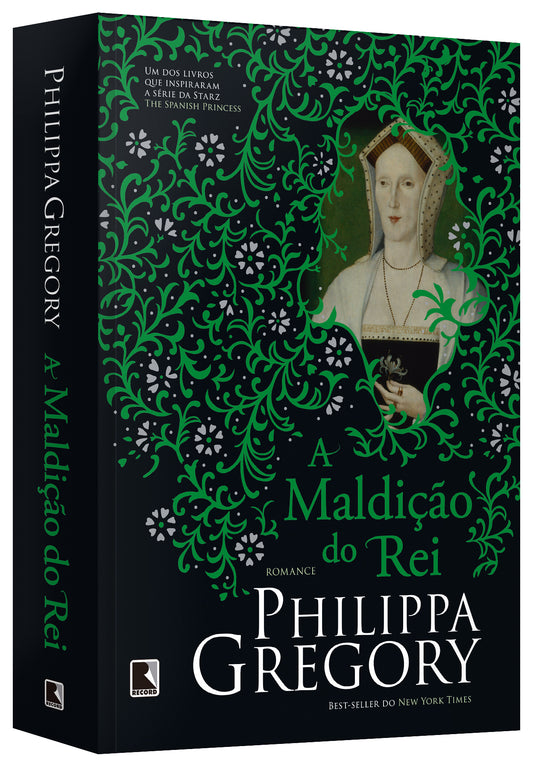
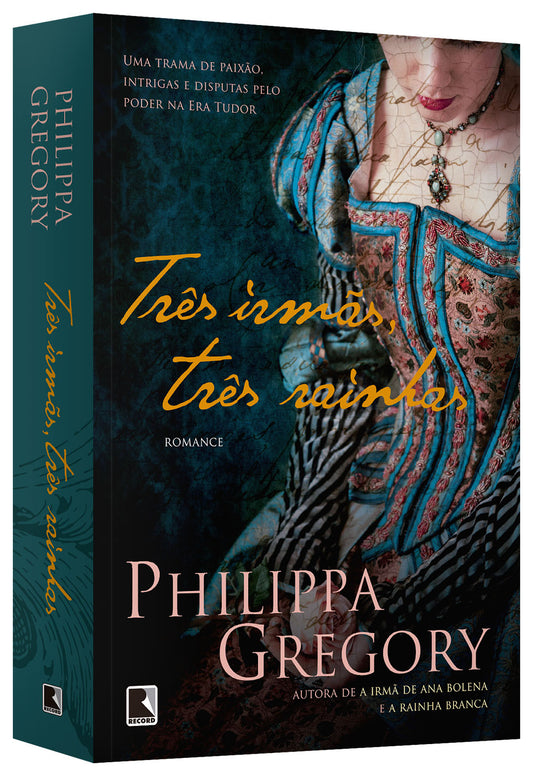
Tudor England, with all its glamour, intrigue, and religious intolerance, comes to life through the pen of one of today's most acclaimed historical fiction authors. Phillipa Gregory, considered the queen of historical fiction, shows that it is possible to romanticize the past without challenging historiography. She is the perfect guide through the palatial corridors of one of the most compelling periods in British history. Author of the bestselling Anne Boleyn's Sister, which made it to the big screen in a blockbuster starring Natalie Portman and Scarlett Johansson, her books have sold over 1 million copies in the US, an extraordinary feat for an Englishwoman.
In an age when an innocent woman could be burned at the stake or hanged for heresy, spying on the queen for the love of a traitor is the most dangerous of choices. In The Queen's Fool, Philippa tells the story of the Jewish girl Hannah. Fleeing the Inquisition, she arrives at Whitehall Palace and enters the Tudor court, where conspiracy lurks at every turn. In the service of the handsome Robert Dudley, the young woman, who possesses the gift of premonition, is sent to spy on Princess Mary Tudor, the forgotten heir of Henry VIII and Catherine of Aragon.
Instead of the feared tyrant, Hannah finds a woman eager for her chance to wear the crown and driven by a visceral desire to restore her people to their true faith, the Catholic faith. All this, while her sister, the Protestant Elizabeth, watches intently as she fails and prays for her death.
Torn between her passion for Dudley and her family duty, ecstatic about her own gifts and apprehensive about the unknown, Hannah must find a way through these perilous times in which she is both witness and artificer. Times when professing the wrong religion was a death sentence; science and magic were one art; and true love could mean death.
Gregory skillfully transforms this triangle into a grand story of love, intrigue, and betrayal. The Queen's Fool raises questions that have fascinated historians for centuries. The author uses Tudor-era documents to perfectly portray this young woman, the man whose ambition surpasses his principles, and a queen who cannot forgive them.