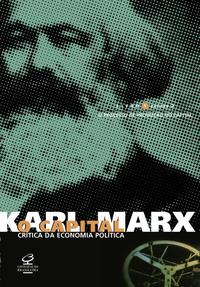
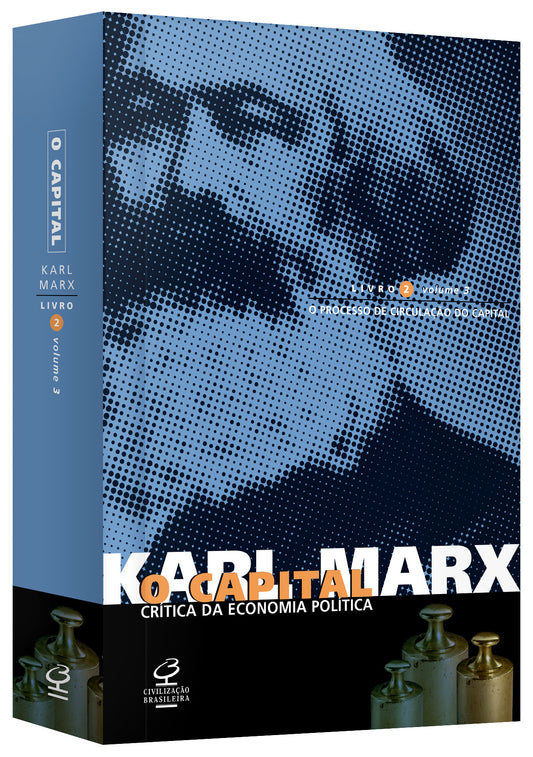
Capital: Book 1 (Vol. 2)

Capital: Book 1 (Vol. 2)

The process of production of capital
Autor: Karl Marx
R$ 84,90
R$ 84,90
ou 3x de R$ 28,30
Sinopse

The worldwide interest in Marx and his theory is undeniable. Capital is certainly the great thinker's most important work, to which he dedicated most of his life. This second volume addresses the process of capital production.

Capital is Karl Marx's most important work. It is in this book that, with full intellectual maturity, the German thinker deepens and systematizes his brilliant critical analysis of the ways in which humankind lives in society and characterizes the modern world. While the first book, published in two volumes, is dedicated to the capitalist production process, the second, published in a single volume, addresses the process of capital circulation. The work explains key concepts of the capitalist mode of production, such as surplus value, constant and variable capital, wages, and primitive accumulation, and analyzes topics dear to classical economists.

Still relevant today, Capital is not just an economics book: it continues to provide an efficient tool for dispelling the fetishistic way in which current theorists of neoliberalism and postmodernity attempt to cover up the new and dramatic contradictions of globalized capitalism.

ISBN978-852-000-468-5
Tradutor Reginaldo Sant’Anna
Altura230 mm
Largura155 mm
Profundidade20 mm
Lançamento14/10/1998
Páginas364
View full details
R$ 84,90
R$ 84,90
ou 3x de R$ 28,30
Sobre o autor

Karl Marx

Karl Marx (1818-1883) nasceu na cidade alemã de Trier (na época, Reino da Prússia). De família de origem judaica, chegou a estudar Direito, mas logo se interessou pelos debates hegelianos. Obteve um douto­rado em Filosofia, em 1841, sob orientação de Bruno Bauer. Suas ambições de seguir a carreira docente acadêmica, no entanto, foram frustradas devido à perseguição do governo prussiano a figuras como Ludwig Feuerbach e Bruno Bauer. Mudou-se, então, para Colônia, onde se tornou editor-chefe do jornal Rheinische Zeitung, que também foi suprimido pelo governo em 1843. Perseguição e censura seguiriam o pensador por toda a sua vida, impactando as oportunidades de emprego e as mudanças de cidade e país que teve de fazer com a família. Casado com Jenny von Westphalen, tiveram sete filhos, mas apenas as filhas Jenny, Laura e Eleanor chegaram à idade adulta. A amizade, camaradagem política e parceria profissional com Friedrich Engels proporcionaram a ambos diversas publicações e interven­ções políticas.

Ver mais sobre o autor
Capital: Book 1 (Vol. 2)