


Couldn't load pickup availability


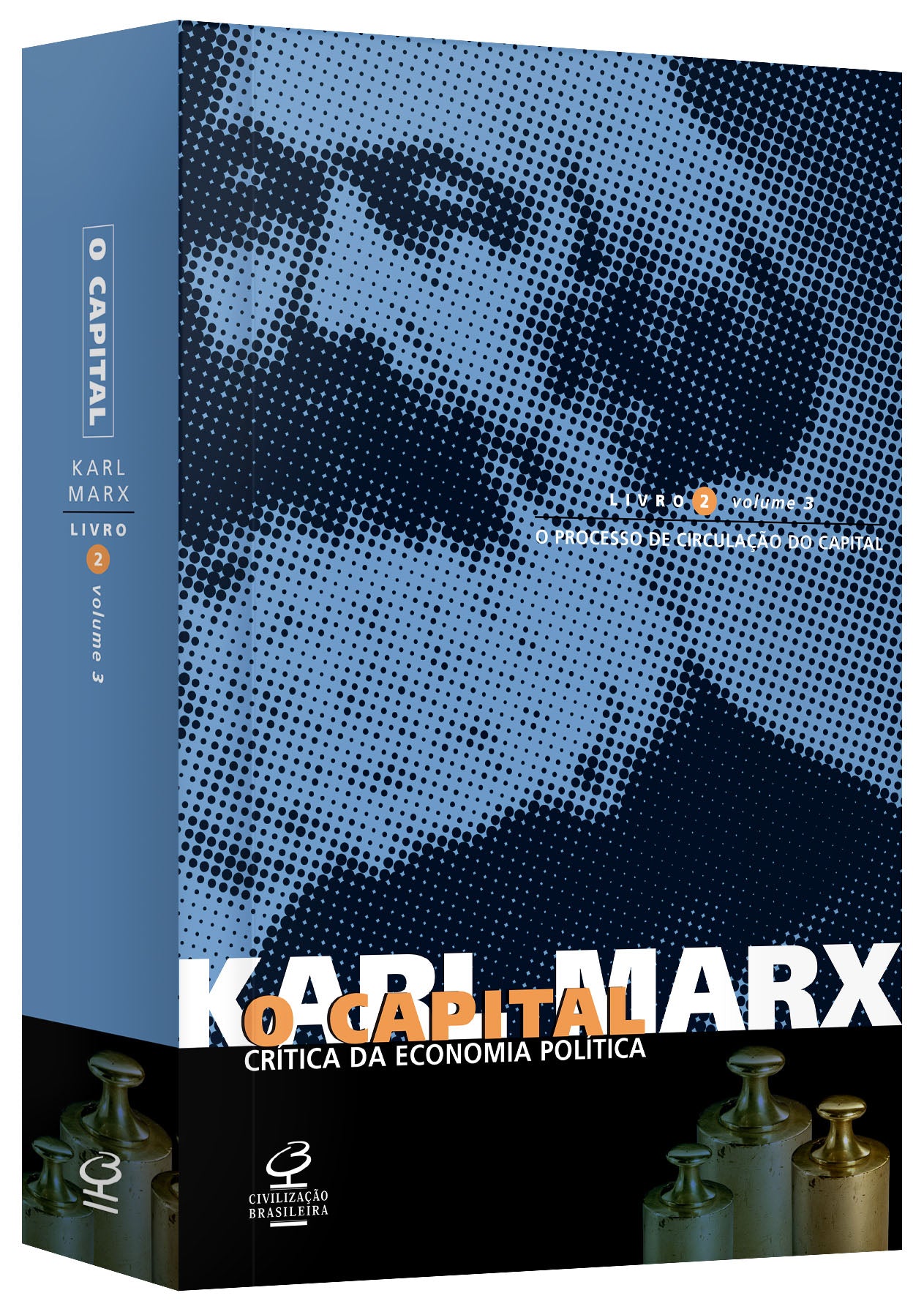
Karl Marx
Karl Marx (1818-1883) nasceu na cidade alemã de Trier (na época, Reino da Prússia). De família de origem judaica, chegou a estudar Direito, mas logo se interessou pelos debates hegelianos. Obteve um doutorado em Filosofia, em 1841, sob orientação de Bruno Bauer. Suas ambições de seguir a carreira docente acadêmica, no entanto, foram frustradas devido à perseguição do governo prussiano a figuras como Ludwig Feuerbach e Bruno Bauer. Mudou-se, então, para Colônia, onde se tornou editor-chefe do jornal Rheinische Zeitung, que também foi suprimido pelo governo em 1843. Perseguição e censura seguiriam o pensador por toda a sua vida, impactando as oportunidades de emprego e as mudanças de cidade e país que teve de fazer com a família. Casado com Jenny von Westphalen, tiveram sete filhos, mas apenas as filhas Jenny, Laura e Eleanor chegaram à idade adulta. A amizade, camaradagem política e parceria profissional com Friedrich Engels proporcionaram a ambos diversas publicações e intervenções políticas.
Mais livros do autor













Visualizados Recentemente


