


R$ 69,90
R$ 69,90
ou 3x de R$ 23,30
Couldn't load pickup availability


Sobre o autor
Isabel Allende
Isabel Allende é a autora de língua hispânica mais lida no mundo. Com livros publicados em mais de 40 idiomas, estreou na escrita em 1982, com A casa dos espíritos, título mítico da literatura latino-americana que obteve grande sucesso internacional. Em 2014, recebeu das mãos de Barack Obama a Medalha Presidencial da Liberdade, a mais importante distinção civil dos Estados Unidos. Quatro anos mais tarde, seria agraciada com o National Book Award pelo conjunto de sua obra.
Mais livros do autor

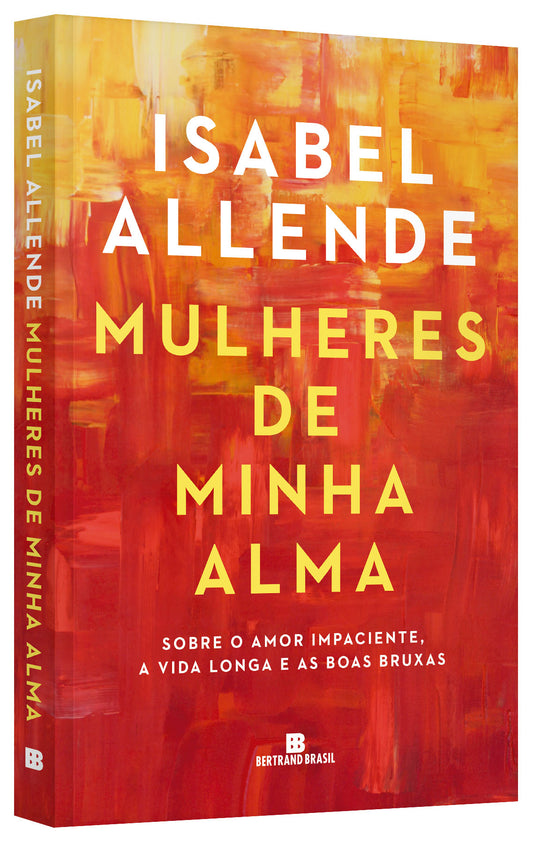
Women of my soul
R$ 69,90


Sold out


Inés da minha alma
R$ 79,90


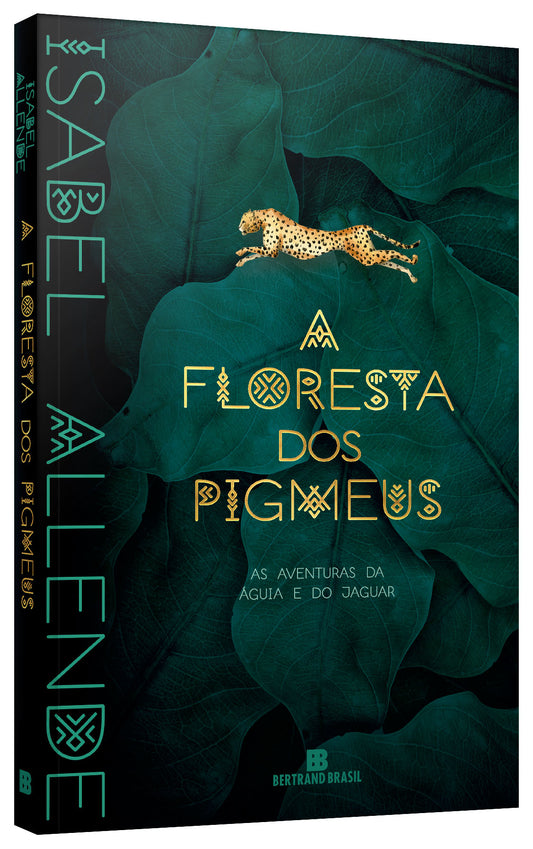

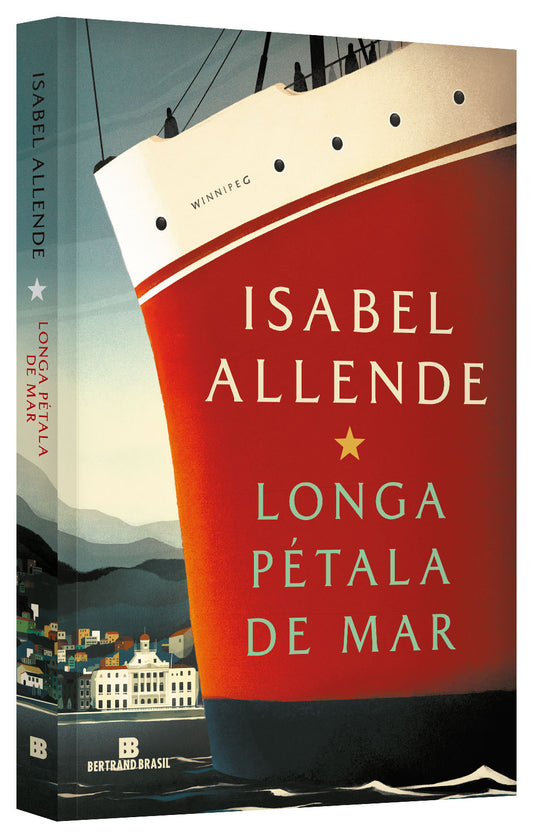


Far beyond winter
R$ 74,90

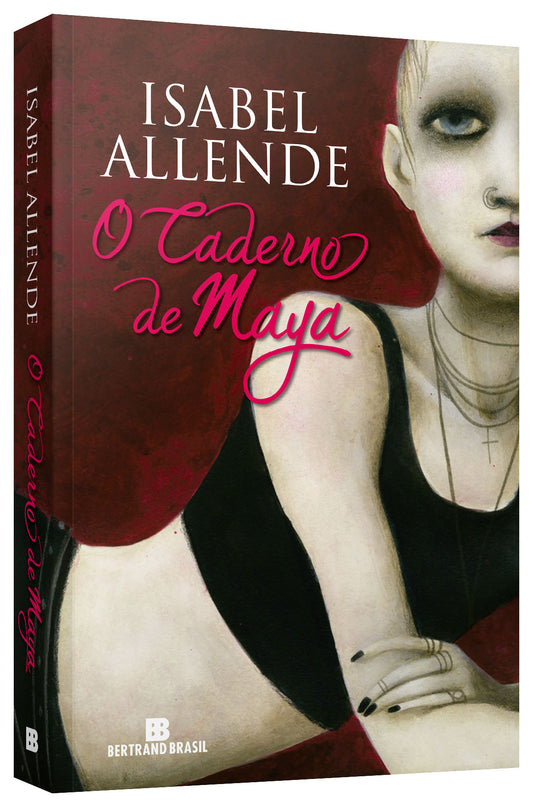
Maya's notebook
R$ 69,90

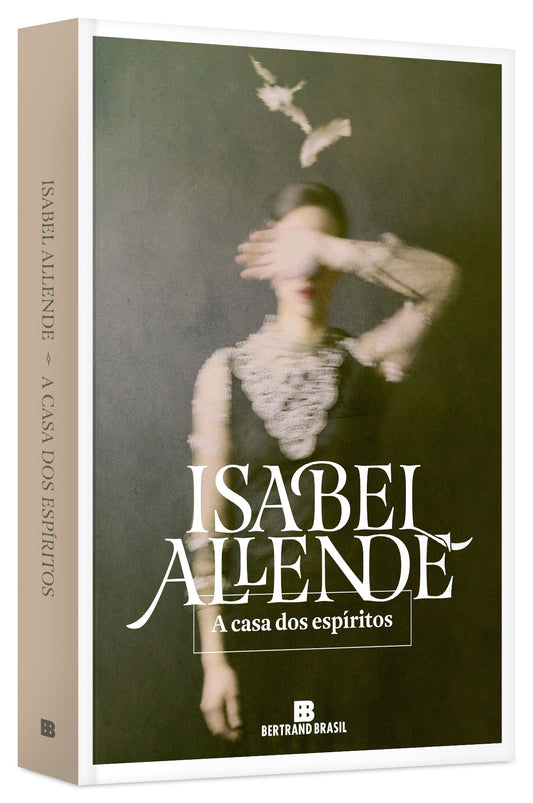

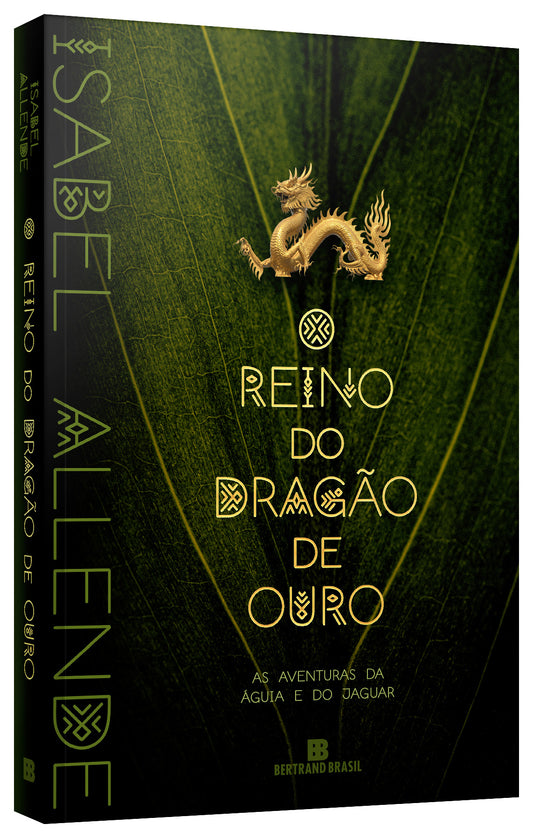

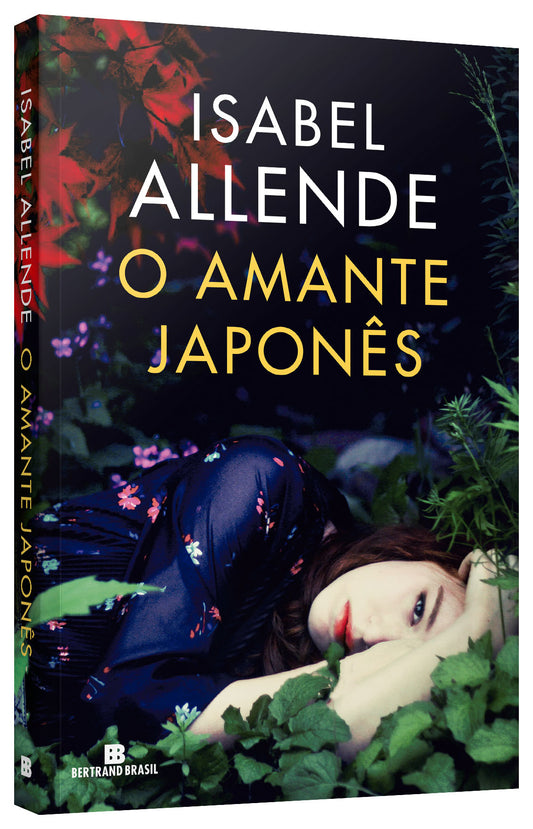
The Japanese Lover
R$ 74,90


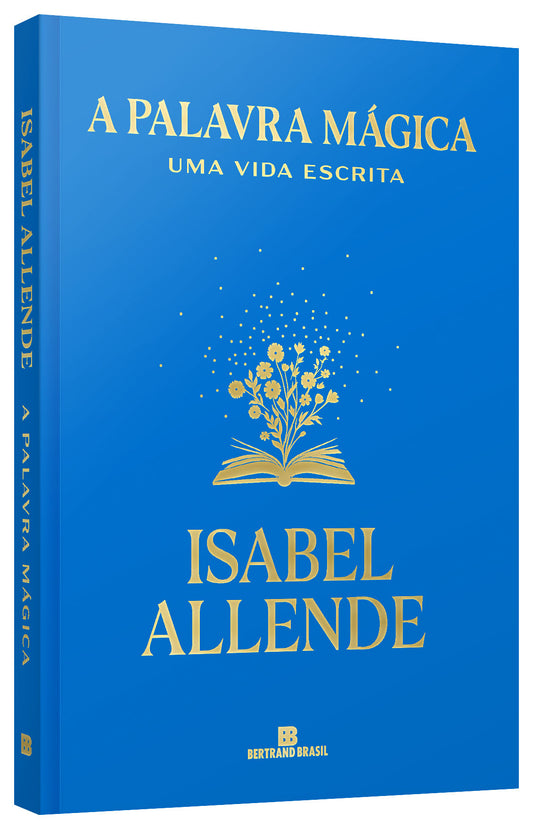
Coming soon

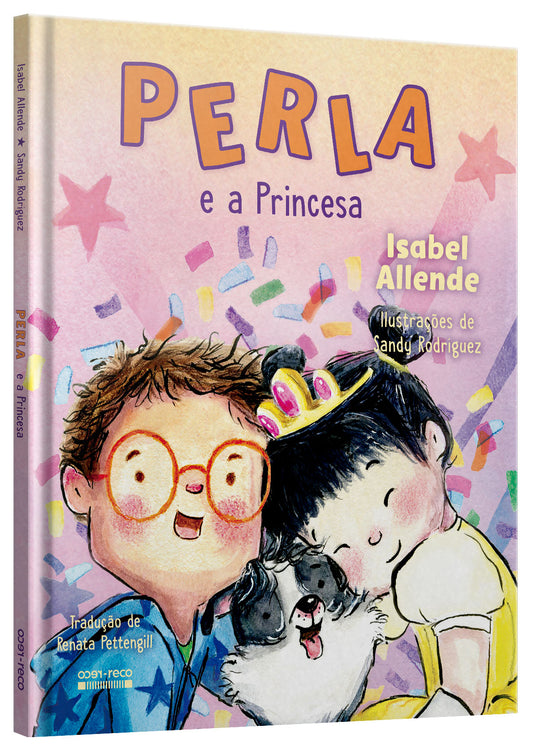
Perla e a Princesa
R$ 89,90


Filha da fortuna
R$ 69,90


Retrato em sépia
R$ 69,90

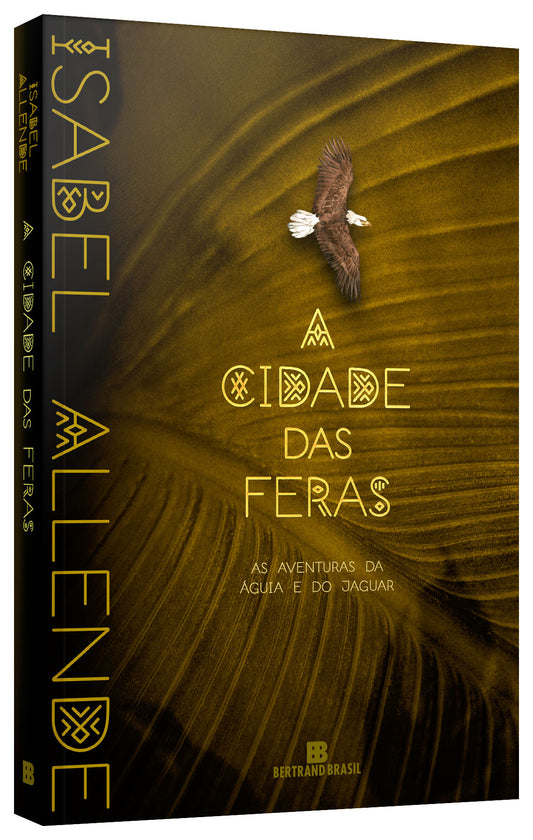


Visualizados Recentemente

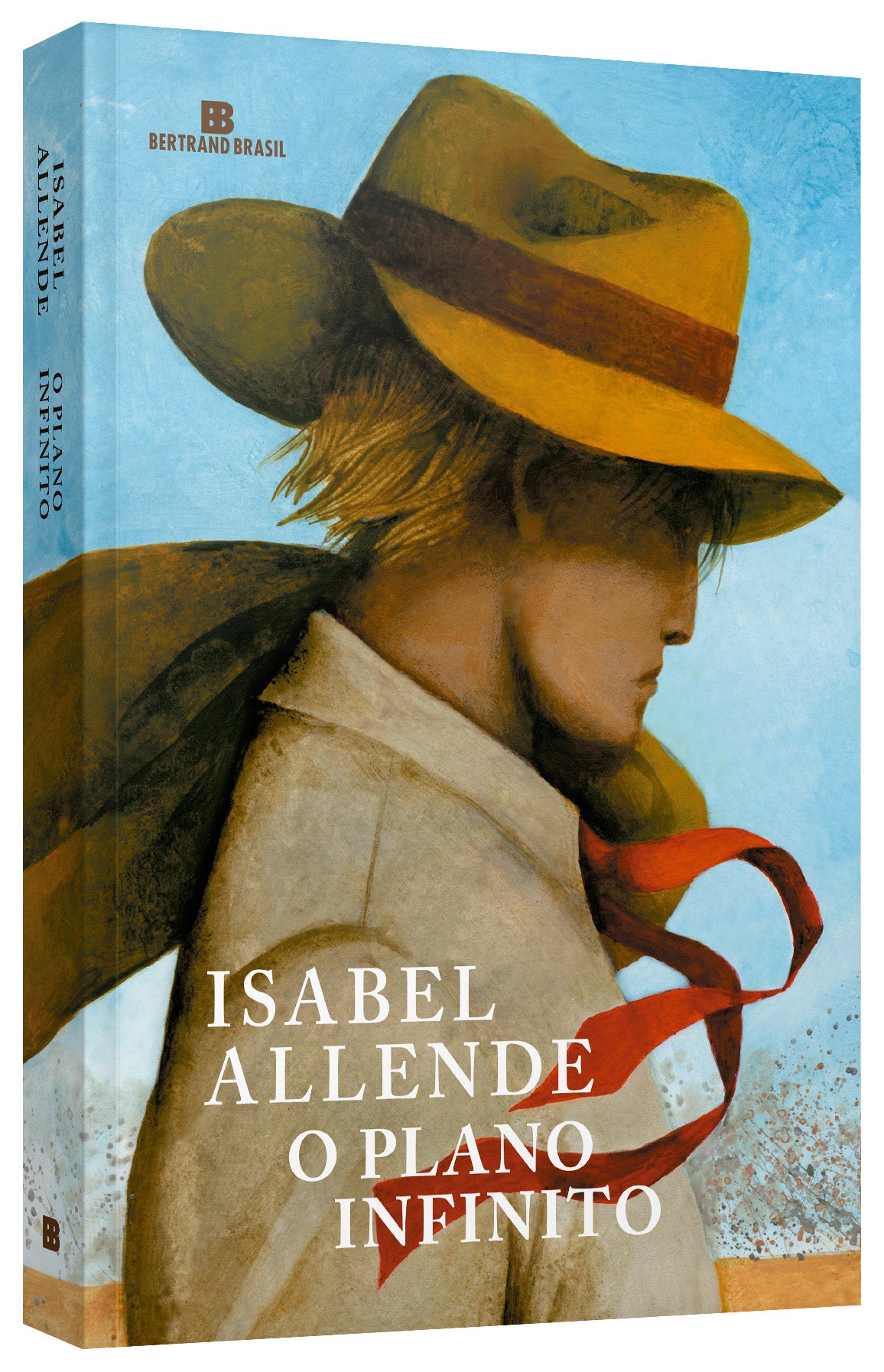
The infinite plane


