


Conteúdo do livro
Couldn't load pickup availability
CÓDIGO DA OBRA9788501076823


Sobre o autor
Umberto Eco
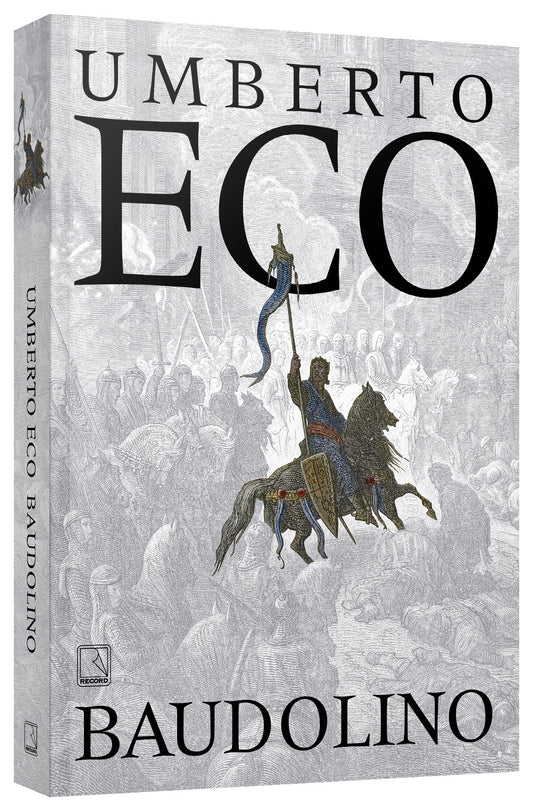
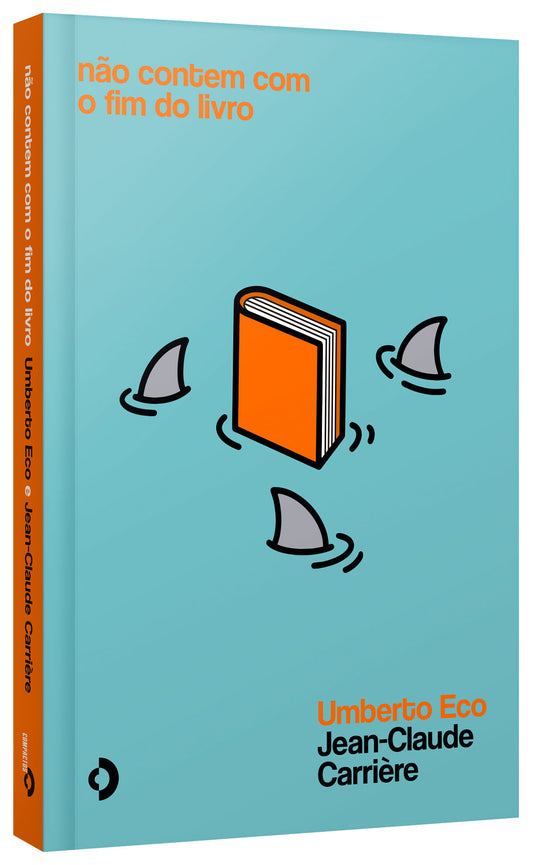
Umberto Eco nasceu em Alexandria em 1932. Filósofo, medievalista, semiólogo, midiólogo, estreou na ficção em 1980 com O nome da rosa (Prêmio Strega 1981), seguido por O pêndulo de Foucault (1988), A ilha do dia anterior (1994), Baudolino (2000), A misteriosa chama da rainha Loana (2004), O cemitério de Praga (2010) e Número zero (2015). Dentre seus trabalhos de filosofia, crítica literária e semiótica, destacam-se Tratado geral de semiótica (1975), Os limites da interpretação (1990), Kant e o ornitorrinco (1997), Da árvore ao labirinto: estudos históricos sobre o signo e a interpretação (2007), Não contem com o fim do livro, com Jean-Claude Carrière (2009), Construir o inimigo e outros escritos ocasionais (2011) e Scritti sul pensiero medievale [Escritos sobre o pensamento medieval] (2012). Em 2004 publicou o volume ilustrado História da beleza, seguido em 2007 por História da feiura, em 2009 por A vertigem das listas e em 2013 por História das terras e lugares lendários. Reconhecido como um dos mais importantes escritores e pensadores do século XX, grande parte de sua obra se encontra publicada no Brasil pela Editora Record. O autor morreu em 2016.
Mais livros do autor


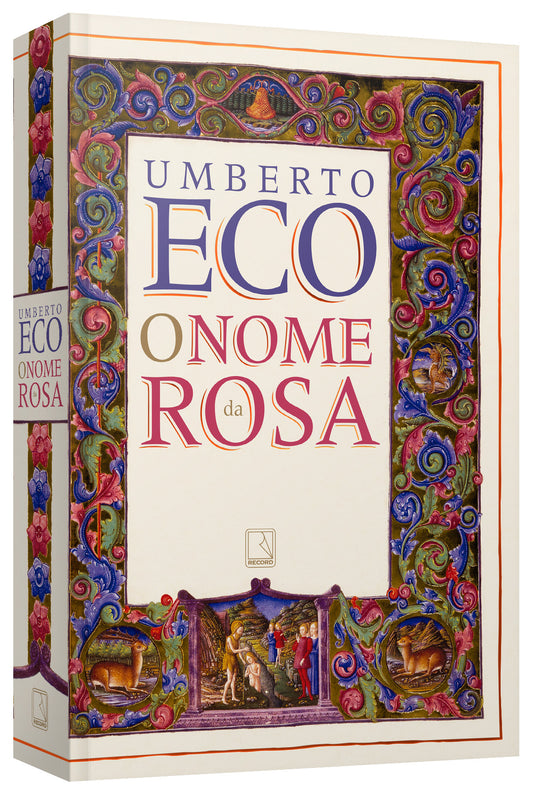
The name of the rose
R$ 109,90

Sold out
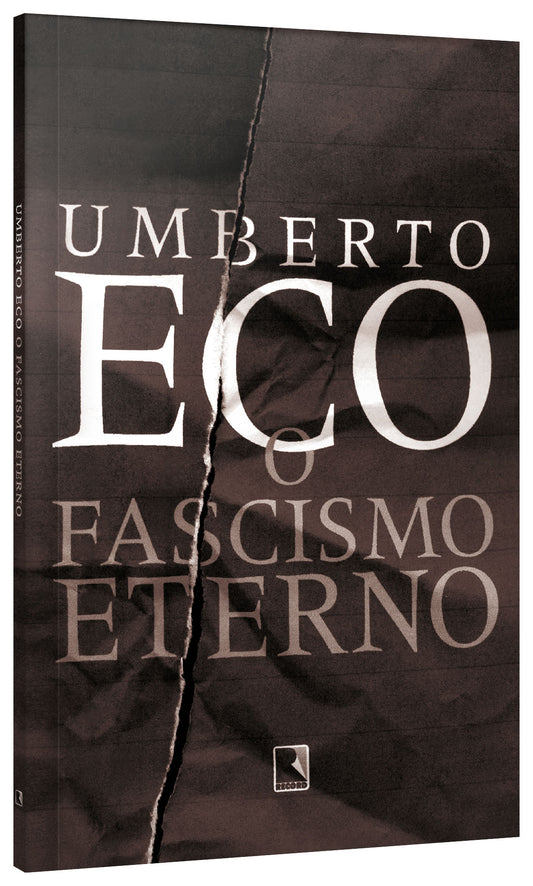
Eternal fascism
R$ 54,90
Sold out

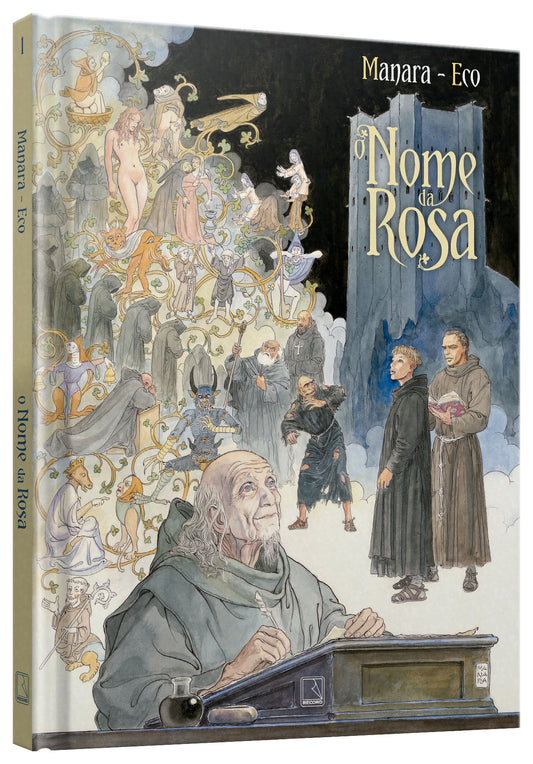

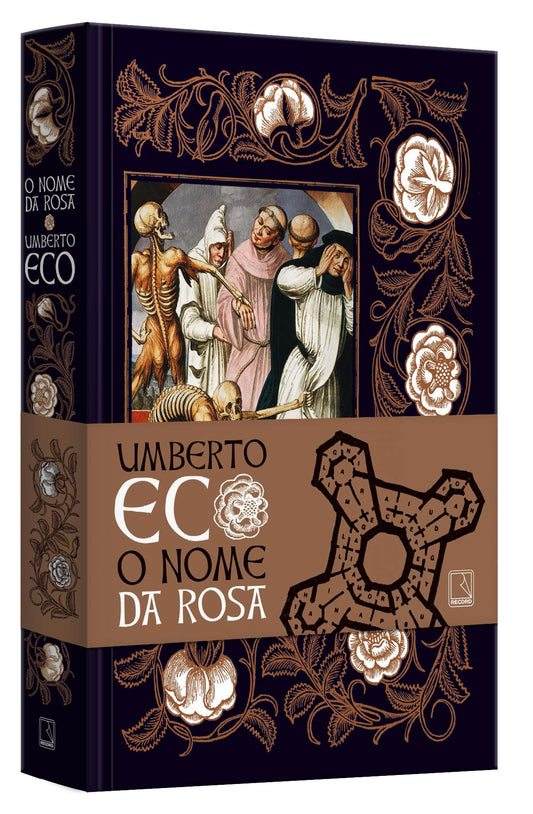


Sold out
Confessions of a Young Novelist
R$ 59,90
Sold out

Minimum daily
R$ 84,90




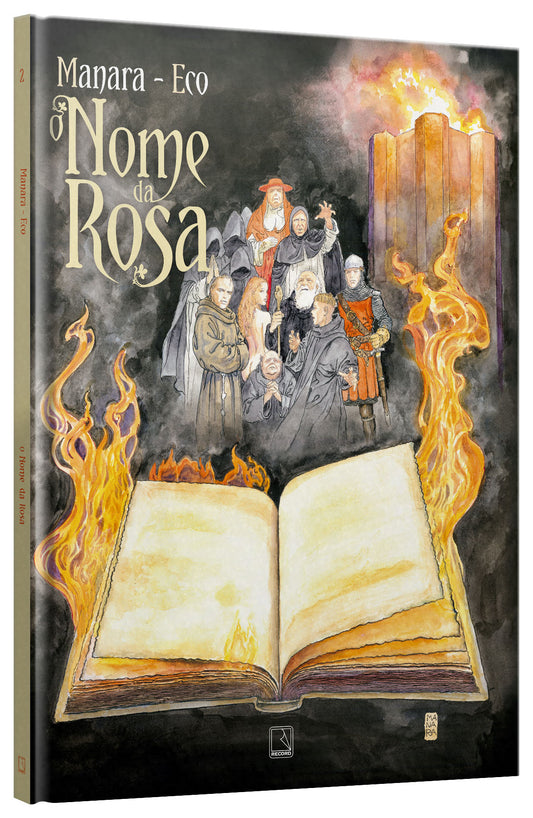

The bride and groom
R$ 54,90

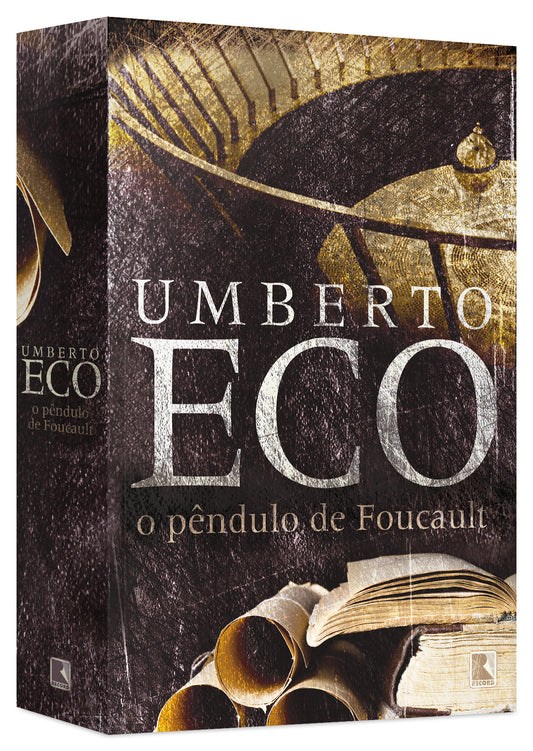
Foucault's pendulum
R$ 124,90


Sold out
The name of the rose
R$ 99,90
Sold out


Kant and the platypus
R$ 119,90

History of legendary lands and places
R$ 249,90
Sold out

Sold out
Between lies and irony
R$ 49,90
Sold out


