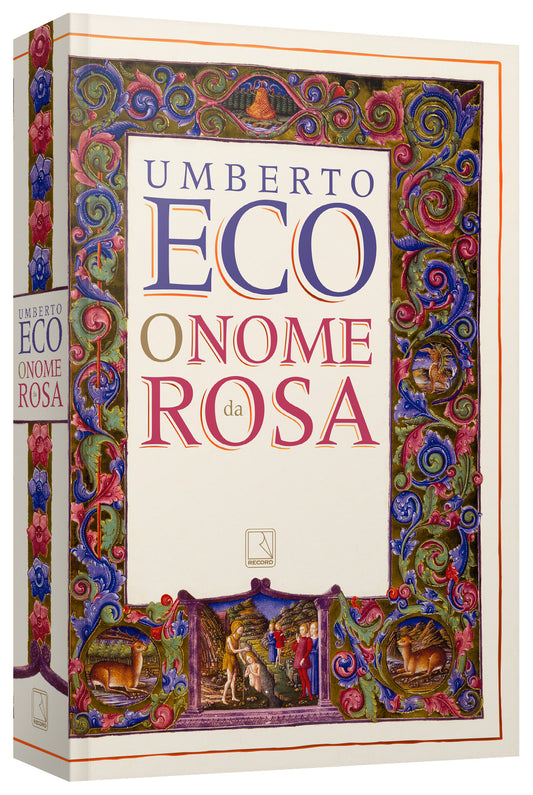
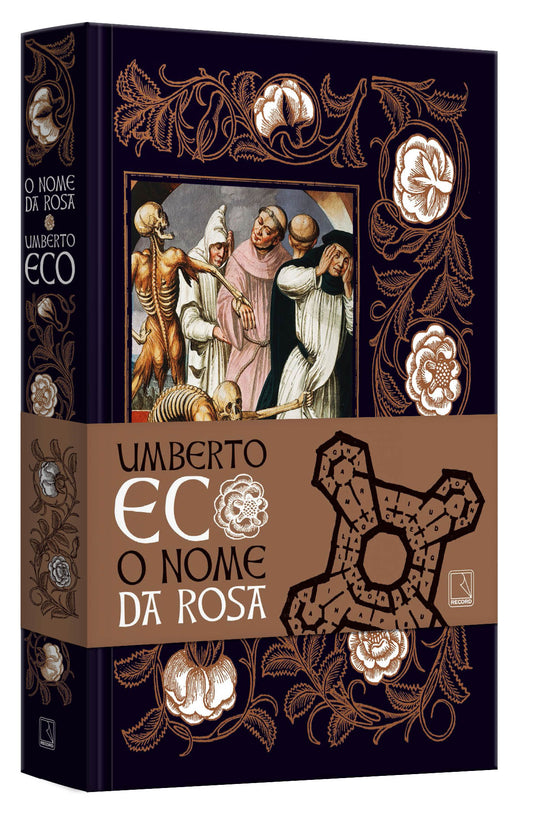
The Middle Ages, the Dark Ages? According to Umberto Eco, one of the most important contemporary intellectuals, the answer is simple: an era of contrasts. On the one hand, political, religious, demographic, and even linguistic crises. On the other, the Renaissance centuries, when modern nations were born, revolutionized maritime transportation, agricultural techniques, and artisanal processes. A seductive era for its sociological, philosophical, religious, and psychological ideals.
It is from this springboard that Eco dives. The starting point for a reflection on the aesthetics behind an entire millennium—from the sixth to the fifteenth centuries. Not only in the world of art, but also in the realms of science and theology. With his usual perspicacity and erudition, plus the help of philosophical and literary texts, Eco analyzes how the medieval world responded to questions about aesthetic phenomena, within the context of its own culture and worldview. How medieval people converted beauty into a value: beauty should coincide with goodness and the divine.
Eco also corrects the false notion of a lack of aesthetic sensibility in the medieval world and paints a portrait of an era. Beauty, art, the relationship between art and morality, the role of the artist, notions of the pleasant, ornaments, styles, judgments of taste—nothing escapes Eco's discerning eye. From Boethius to Eckhart, from subtle conceptual distinctions to sociological and historical syntheses, here are Eco's considerations on medieval aesthetic ideas. The different ways of understanding art, beauty, appreciation of artworks, and morality.
Originally published in 1959 as part of a tetralogy on the history of aesthetics, it remains relevant today and is one of the only works to connect metaphysical notions of beauty to artistic techniques. Dense and elegant, it transports us to a world and civilization both very close and, at the same time, very distant: several of the fundamental concepts developed by medieval aesthetics have survived to this day, reaffirmed, disguised, albeit inserted into other contexts and altered. And Eco—an engaging and inspired guide—travels through them, without attempting to define or restrict them.