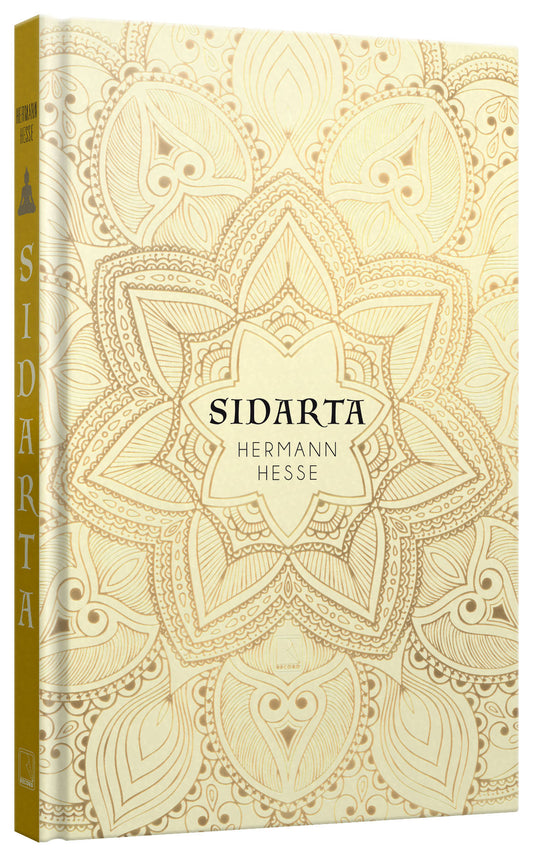
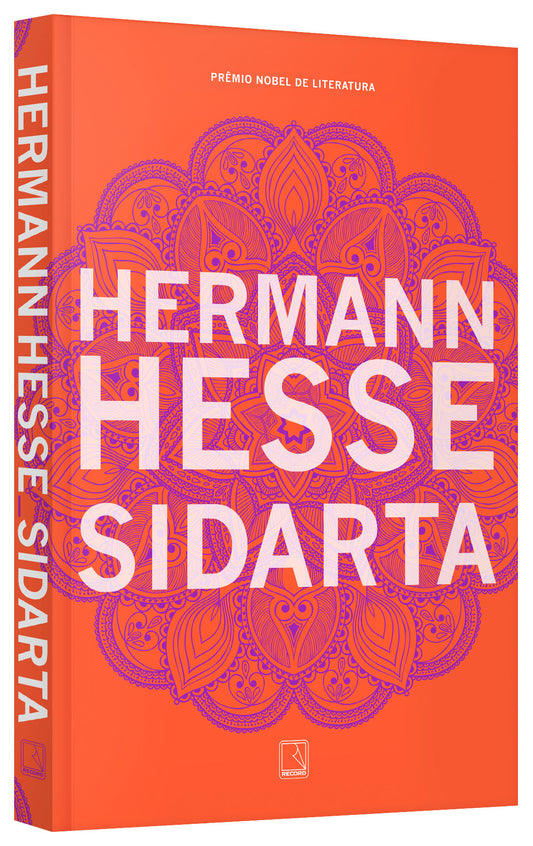
Three indispensable books from the work of Hermann Hesse, one of the most important authors of the 20th century. This deluxe collection—featuring a new format, hardcover, and three-sided painting—also includes a booklet written by writer and translator Marcelo Backes.
Nobel Prize winner in Literature in 1946 and an icon of German literature, Hermann Hesse is undoubtedly one of the world's most renowned writers. The son of missionaries, Hesse chose not to follow in his parents' footsteps and ended up becoming very popular among Western youth. Demian is Hesse's first major book on the path that leads to Steppenwolf , considered by critics to be his masterpiece, and of which Siddhartha constitutes the intermediate stage.
This collection, including the author's three classic works, is accompanied by a booklet containing the previously unpublished text "Hermann Hesse and the Bible of the Misunderstood ," by Marcelo Backes. Addressing the author's importance—including to major current issues—Backes provides an overview of Hermann Hesse's life and work and his influence on the literary world in which he was born.
Demian (320 pages)
In Demian , a brilliant psychological portrait, a young man begins to recognize his individuality and perceives a world of possibilities beyond the conventions society has imposed on him. Emil Sinclair is a young man tormented by the lack of answers to his questions about the world. Upon meeting Max Demian, a precocious and charismatic classmate, Sinclair rebels against the conventions of his time and embarks on a journey of self-discovery and spiritual fulfillment. Originally published in 1919, Demian is considered a turning point in the career of Hermann Hesse, reflecting the German writer's questions about human nature, with its contradictions and dualities. Influenced by the ideas of Carl Jung, the founder of analytical psychology, Hesse describes the individual's search for inner fulfillment and self-knowledge.
Steppenwolf (416 pages)
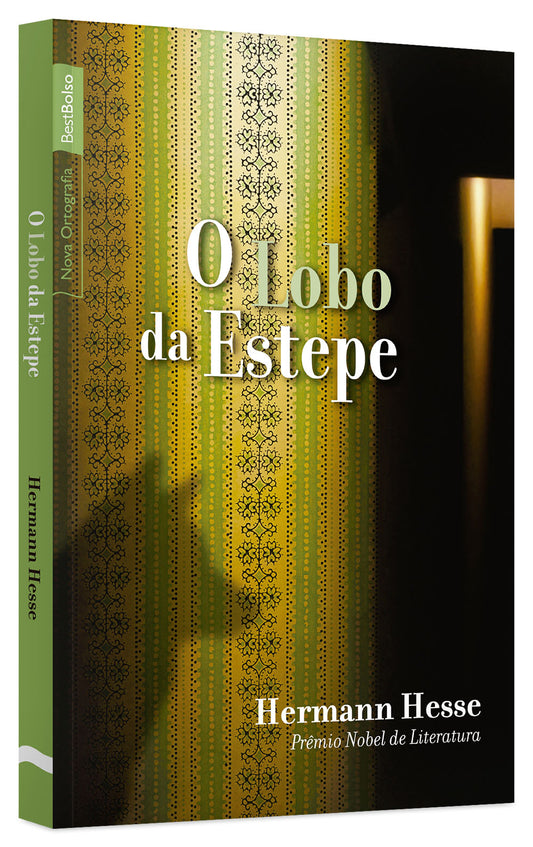
Considered by critics to be Hermann Hesse's masterpiece, Steppenwolf tells the story of Harry Haller, a 50-year-old man who believes his integrity depends on the solitary life he leads amidst the words of Goethe and the scores of Mozart. An intellectual trying to balance himself on the brink of social and individual problems, his personality becomes increasingly ambivalent and ultimately shattered.
The first part of the book is about Haller the Wolf's nightmare, his depression and inability to communicate, which are the basis of his cruelty and destruction. In the second, the wolf becomes humanized through the arrival of Hermínia, who tries to bring him closer to the world—in this case, a simple community of dusty dance halls and shabby bars.
Steppenwolf was written when Hesse, like his character, was 50 years old and deeply influenced by psychoanalysis. The style he adopted, highly revolutionary for its time, was praised by Thomas Mann, who considered Steppenwolf as brilliant as James Joyce's Ulysses as an experimental novel.
Siddhartha (272 pages)
A reflection on the search for wisdom that has enchanted generations, Siddhartha is an unforgettable work. The result of a trip to India in 1911, it was published eleven years later, in 1922.
Siddhartha is a rebellious spirit who followed Buddha's teachings, remaining true to his own soul. But, like other heroes of the author, Siddhartha is not just about devotion. He distills high doses of Western anguish in the confrontation between individualism and ideas of enlightenment. In search of true happiness, the son of Brahmins, favored by appearance, intelligence, and charisma, becomes an ascetic. To achieve this, he follows a tortuous path that leads him, through a sensual love affair with a courtesan, from temptation to self-understanding.
Hesse's harmonized sensitivity with universal themes made him a countercultural reference and a precursor of enduring questions. A visionary, the author was a pioneer of Eastern mysticism long before the 20th-century rush to Eastern gurus. This lyrical novel, based on the youth of Buddha, retains the magic of the German writer—consecrated and revered not for offering answers to dilemmas or easy solutions to afflictions, but for weaving engaging universes and plots filled with empathy, always highlighting the human capacity for sublimation in the search for their essence.