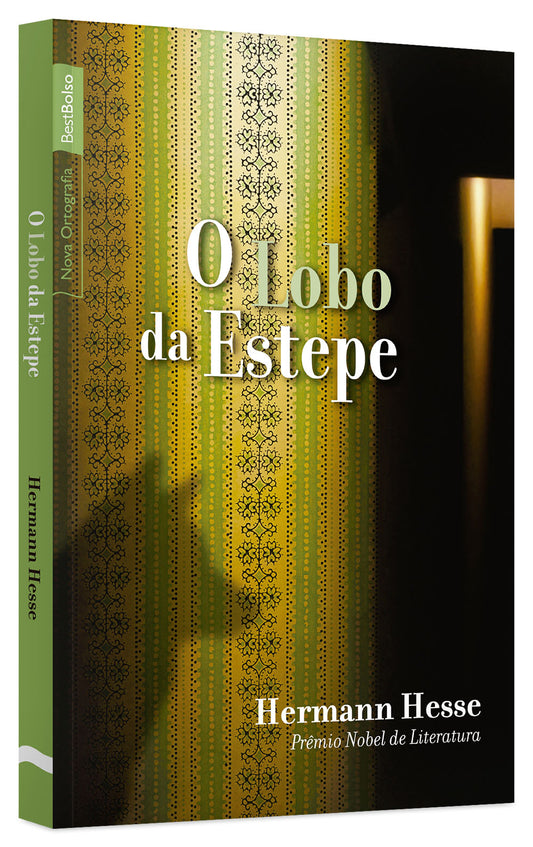
Conteúdo do livro
Couldn't load pickup availability
CÓDIGO DA OBRA9788501020291



Sobre o autor
Hermann Hesse
Herman Hesse nasceu em Calw, na Alemanha, em 1877. Começou a vida profissional como livreiro, mas idealizando uma carreira literária, que de fato iniciou muito cedo, aos 21 anos, quando publicou suas primeiras poesias. A chamada "primeira fase" do escritor se estende até Knulp (1915), produzindo nesse período romances de grande valor, como Peter Camenzind (1904), Gertrud (1910) e Rosshalde (1914). Seu livro Demian foi publicado logo depois da Primeira Guerra Mundial, em 1919. Em protesto contra o militarismo germânico, Hesse era então um residente permanente da Suíça e sem dúvida figurava ao lado dos maiores ícones da literatura em idioma alemão. A profunda humanidade e a penetrante filosofia que impregnam seus livros foram confirmadas em obras-primas que produziu posteriormente, entre outras Sidarta (1922), O lobo da estepe (1927) e Narciso e Goldmund (1930), que com seus poemas, contos e um considerável número de trabalhos de crítica valeram-lhe um lugar muito especial entre os pensadores contemporâneos. Em 1946 ganhou o Prêmio Nobel de Literatura. Hermann Hesse faleceu em 1962, pouco depois da passagem do seu 85º aniversário.
Mais livros do autor

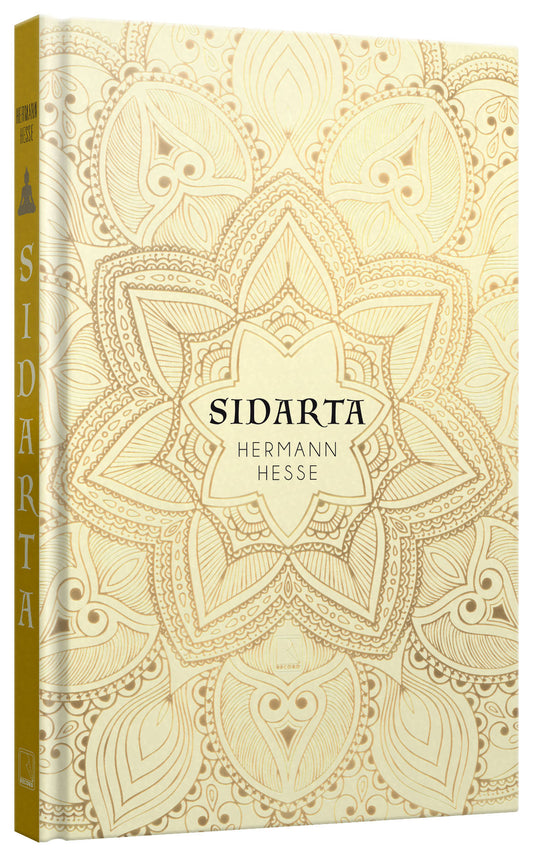


The Steppenwolf
R$ 69,90


Siddhartha
R$ 59,90

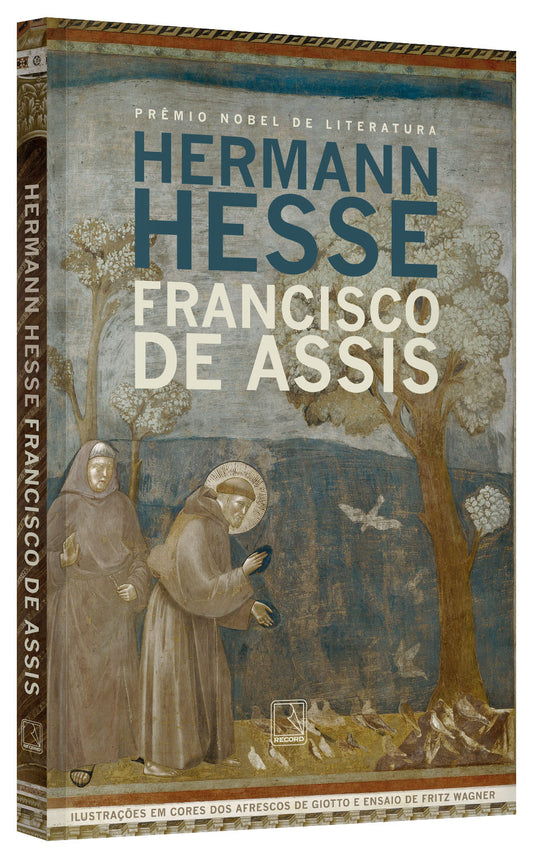
Francis of Assisi
R$ 59,90



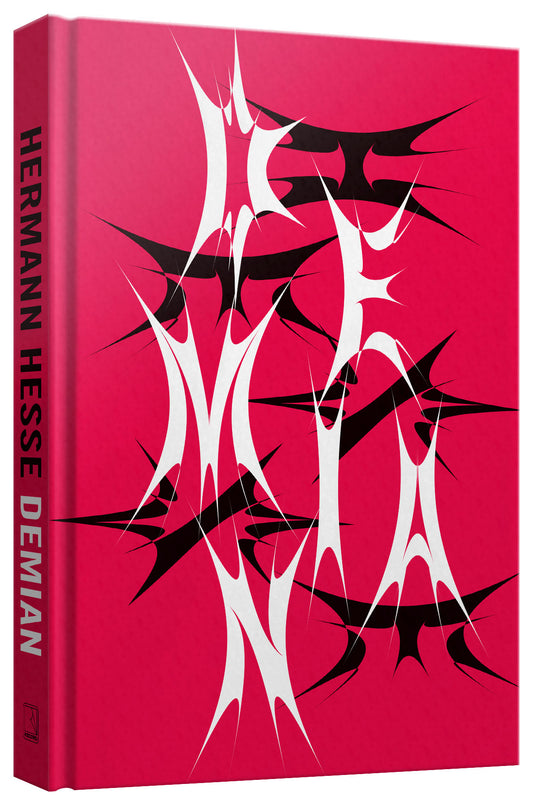


Coming soon
A infância do mago
R$ 69,90
Coming soon






The glass bead game
R$ 99,90



Sold out
The Glass Bead Game (Paperback)
R$ 49,90
Sold out







Sold out
Box Hermann Hesse
R$ 249,90
Sold out