


Couldn't load pickup availability


Hermann Hesse
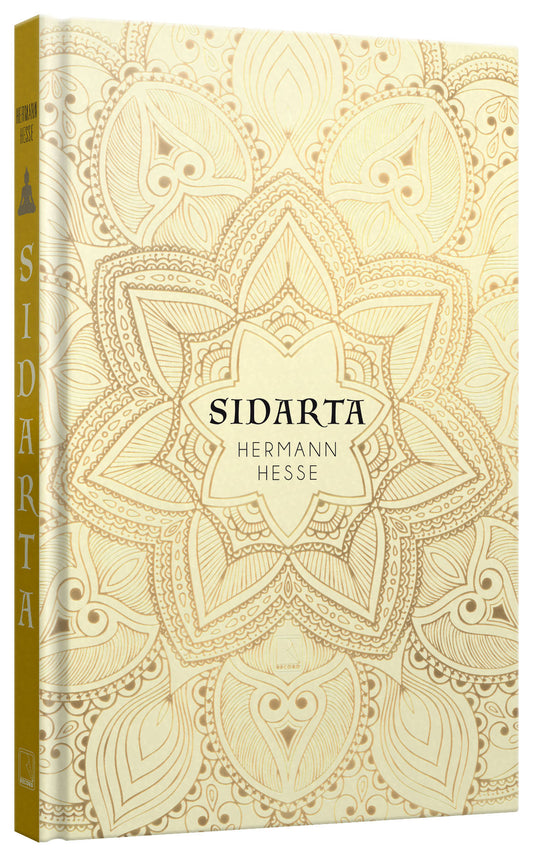
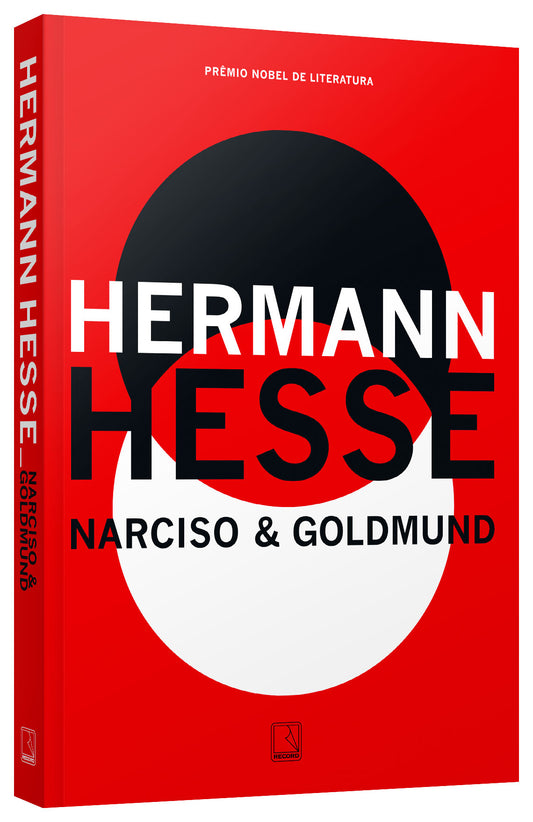
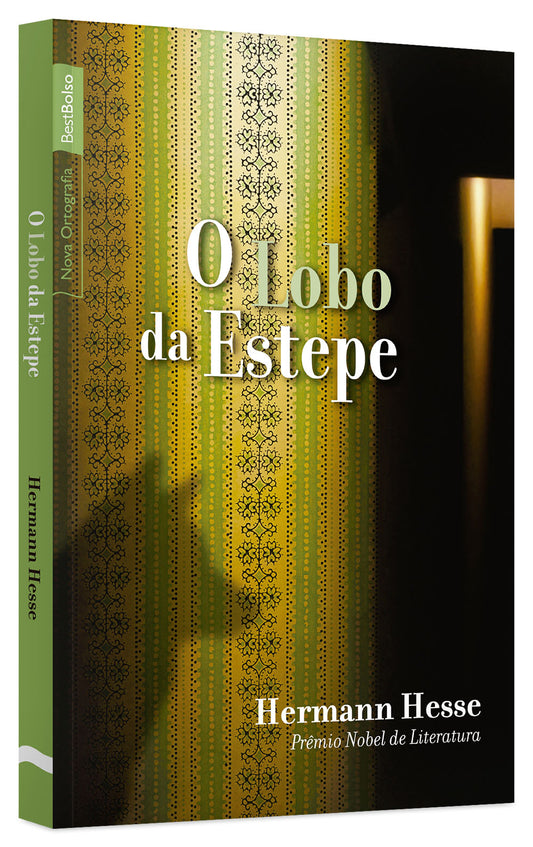
Hermann Hesse nasceu em Calw, na Alemanha, em 2 de julho de 1877. Começou a vida profissional como livreiro, mas idealizando uma carreira literária, que de fato iniciou muito cedo, aos 21 anos, quando publicou suas primeiras poesias. A chamada “primeira fase” do escritor se estende até Knulp (1915), produzindo nesse período romances de grande valor, como Peter Camenzind (1904), Gertrud (1910) e Rosshalde (1914). Demian foi publicado logo depois da Primeira Guerra Mundial, em 1919, inaugurando uma nova fase. Em protesto contra o militarismo germânico, Hermann Hesse tornou-se residente permanente da Suíça e sem dúvida figurava ao lado dos maiores ícones da literatura em idioma alemão. A profunda humanidade e a penetrante filosofia que impregnam seus livros foram confirmadas em obras-primas que produziu posteriormente, entre outras Sidarta (1922), O Lobo da Estepe (1927) e Narciso e Goldmund (1930), que com seus poemas, contos e um considerável número de trabalhos de crítica valeram-lhe um lugar muito especial entre os pensadores contemporâneos. Em 1946 ganhou o Prêmio Nobel de Literatura. Hermann Hesse faleceu em 1962, pouco depois do seu 85º aniversário.
Mais livros do autor



The Steppenwolf


Siddhartha

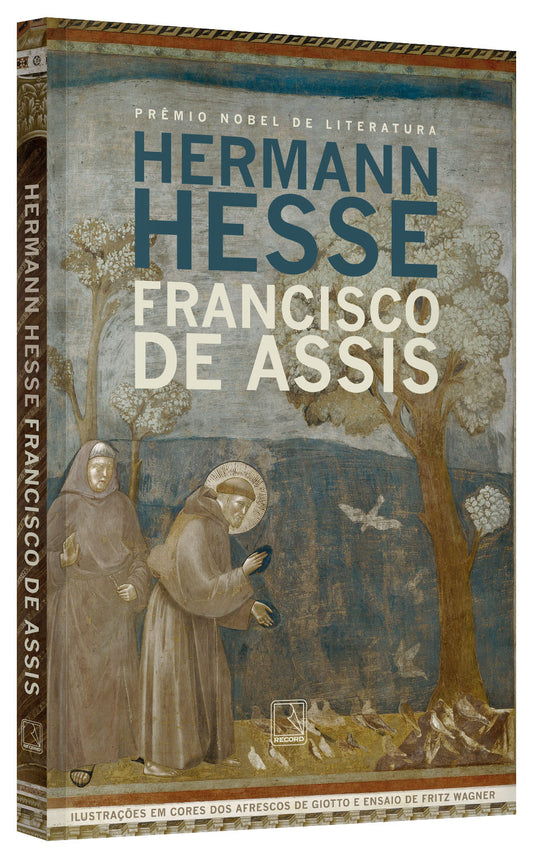
Francis of Assisi













The glass bead game











Visualizados Recentemente


