Conteúdo do livro
Couldn't load pickup availability
CÓDIGO DA OBRA9786558020035



Sobre o autor
Nei Lopes
"
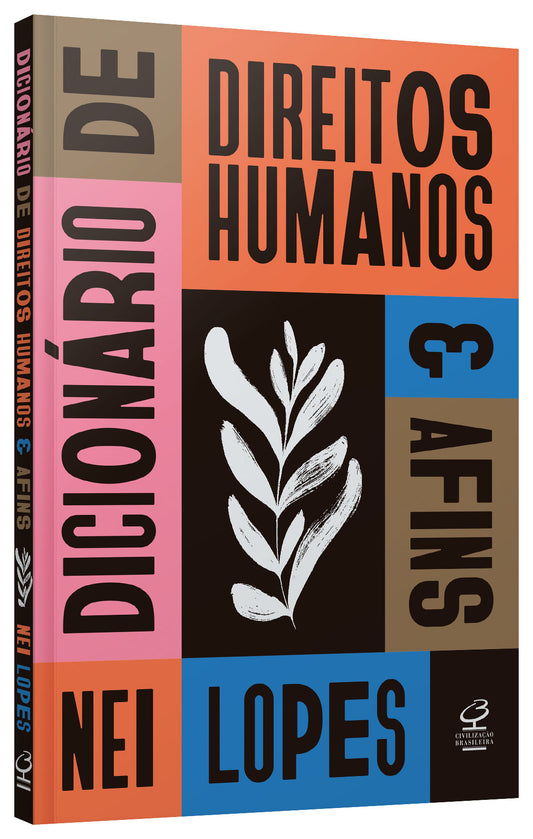
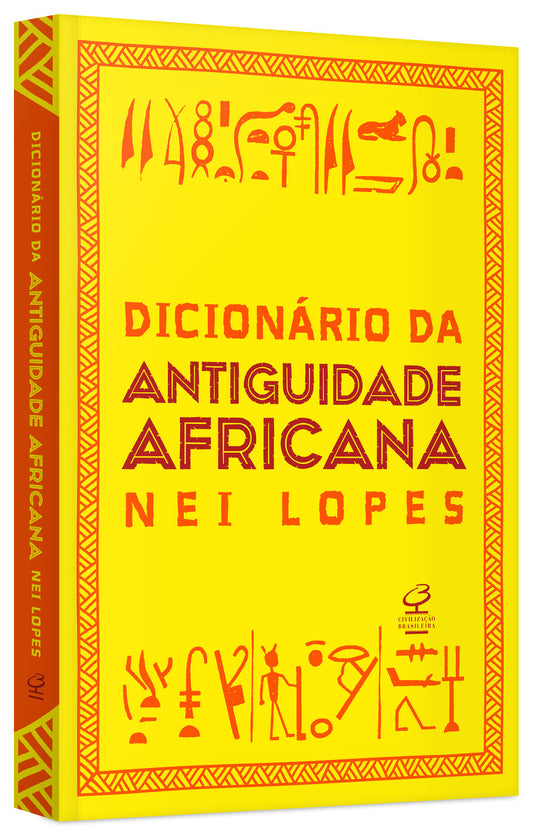
Nei Lopes é bacharel em Direito e Ciências Sociais pela Universidade Federal do Rio de Janeiro. Foi compositor da Acadêmicos do Salgueiro e dirigente da Unidos de Vila Isabel. Autor e intérprete, ao lado de praticamente todos os grandes nomes do samba, desde a década de 1970 incursou também por outros caminhos musicais, em parcerias consagradas com Guinga, Ivan Lins, João Bosco, Moacir Santos, entre outros. Escritor e ficcionista, tem obra fortemente lastreada na cultura e no universo do samba. Pela Civilização Brasileira, publicou Dicionário da antiguidade africana.
Luiz Antonio Simas é mestre em História Social pela Universidade Federal do Rio de Janeiro. Foi consultor do acervo Música de Carnaval do MIS – Museu da Imagem e do Som do Rio de Janeiro – e jurado do Estandarte de Ouro, maior premiação do carnaval carioca. Tem diversos livros e artigos publicados, notadamente sobre as escolas de samba do Rio de Janeiro e suas comunidades. É autor, entre outros, de Samba enredo: História e arte, em parceria com Alberto Mussa, publicado pela Civilização Brasileira.
"Mais livros do autor





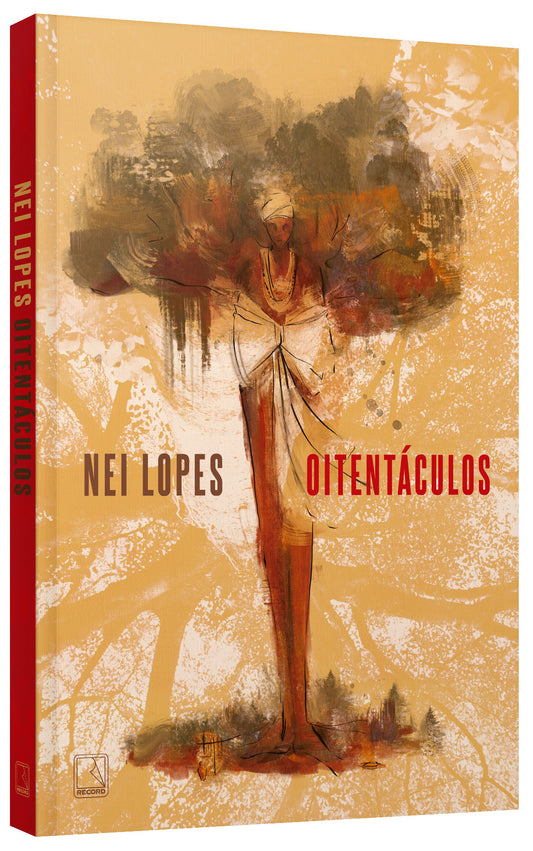
Eightentacles
R$ 59,90


Open weather
R$ 54,90

Now serve the heart
R$ 49,90


Sold out
Rio Negro, 50
R$ 59,90
Sold out

The last lap of Rio
R$ 64,90




Sold out
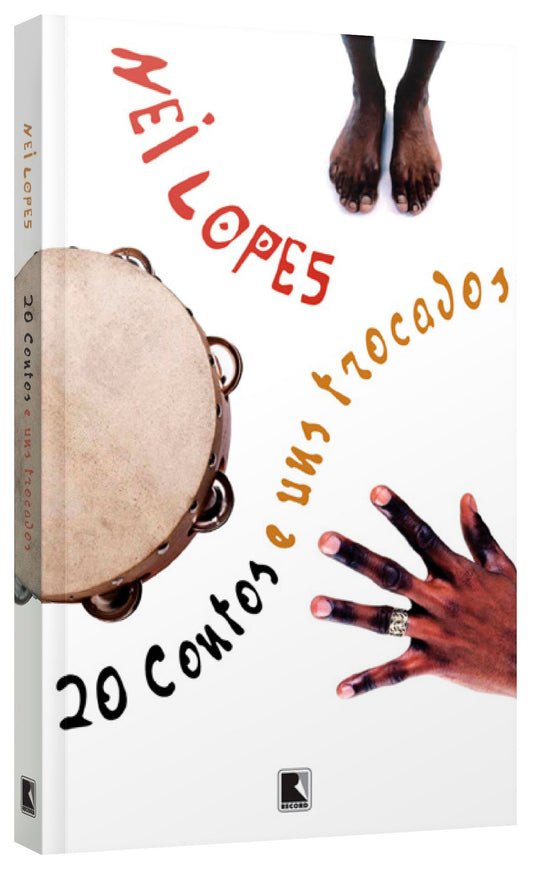
20 STORIES AND SOME CHANGES
R$ 64,90
Sold out
Sobre o autor
Luiz Antonio Simas
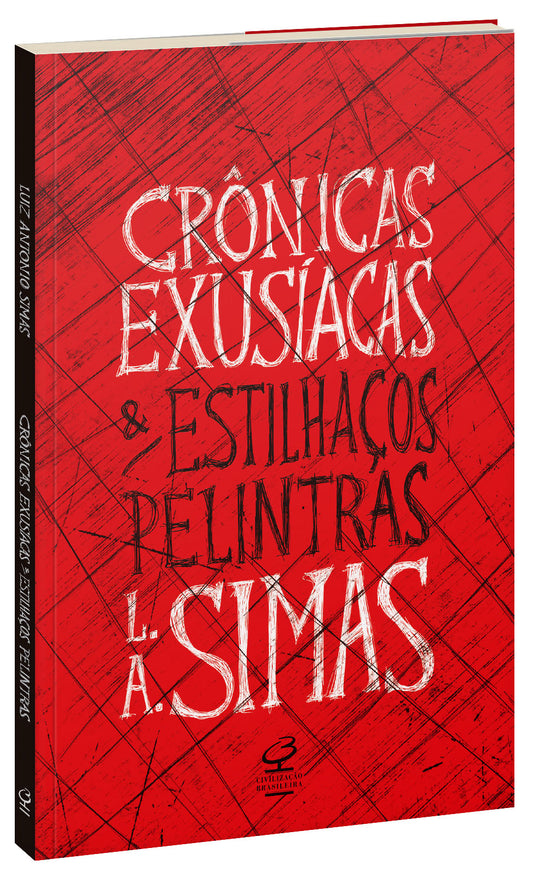
Luiz Antonio Simas (Rio de Janeiro/RJ, 1967) é professor, escritor e mestre em história pela Universidade Federal do Rio de Janeiro. Recebeu o Prêmio Jabuti de Livro do Ano de Não Ficção em 2016, com Nei Lopes, por Dicionário da história social do samba, e juntos também escreveram Filosofias africanas. Pesquisador das culturas e religiões populares, publicou, pela Civilização Brasileira, O corpo encantado das ruas, Crônicas exusíacas e estilhaços pelintras, Umbandas e, com Alberto Mussa, Samba de enredo. Pela José Olympio, lançou Sonetos de birosca e poemas de terreiro, Coisas nossas, além da edição comentada de A alma encantadora das ruas, de João do Rio. É também autor dos livros infantis O cavaleiro da lua e As três estrelas do céu, ambos ilustrados por Camilo Martins e publicados pela Reco-Reco.
Mais livros do autor



Kit Encantarias
R$ 109,90





Coming soon
Coming soon


Sale
The Moon Knight
-10%
R$ 59,90
R$ 53,91
Sale






Sold out
Our things
R$ 54,90
Sold out