Conteúdo do livro
Couldn't load pickup availability
CÓDIGO DA OBRA9786558020448


Sobre o autor
Luiz Antonio Simas
Sobre Luiz Antônio Simas
Sou um carioca criado em uma família nordestina, vinda de Alagoas e Pernambuco. Minha avó, a Dona Deda, era rezadeira e mãe de santo de um terreiro em Nova Iguaçu, na Baixada Fluminense do Rio de Janeiro. Minha família tinha o costume de dar doces para a meninada em todos os anos, no dia de São Cosme e de São Damião. Ao lado dos meus irmãos e amigos, eu saia cedinho para percorrer as ruas em busca de suspiros, pirulitos, cocadas e mariolas. A tradição continua. Hoje somos eu e a Candida, minha companheira, que distribuímos doces, e é o meu filho, o Benjamin, que corre atrás de guloseimas pelas ruas da Zona Norte da cidade.
Sobre Camilo Martins
Nasci na cidade do Rio de Janeiro, onde aprendi desde cedo que Cosme e Damião viviam nas ruas. Minha avó, com uma promessa e fé inabalável nos santinhos guris, conseguiu botar um teto sobre sua cabeça e ter uma vida mais digna. Cresci numa família de oficineiros de saquinhos de Cosme e Damião, até hoje nos reunimos para fazer os saquinhos que se espalham pela cidade. Hoje, minha avó se juntou com as três estrelas lá do céu, mas tenho certeza que continua salpicando açúcar em cima da gente. Aprendi a desenhar quando criança e continuo a desenhar pelas crianças. Me formei em Gravura pela Escola de Belas Artes da UFRJ e ilustro desde 2017. Em livros, roupas, paredes e todo o canto. O acordo da minha avó com os pequenos deu a ela a sua vida, a sua fé e a sua dignidade. E meu acordo com eles me deu o desenho.
Mais livros do autor


African philosophies
R$ 59,90



Kit Encantarias
R$ 109,90




Sale
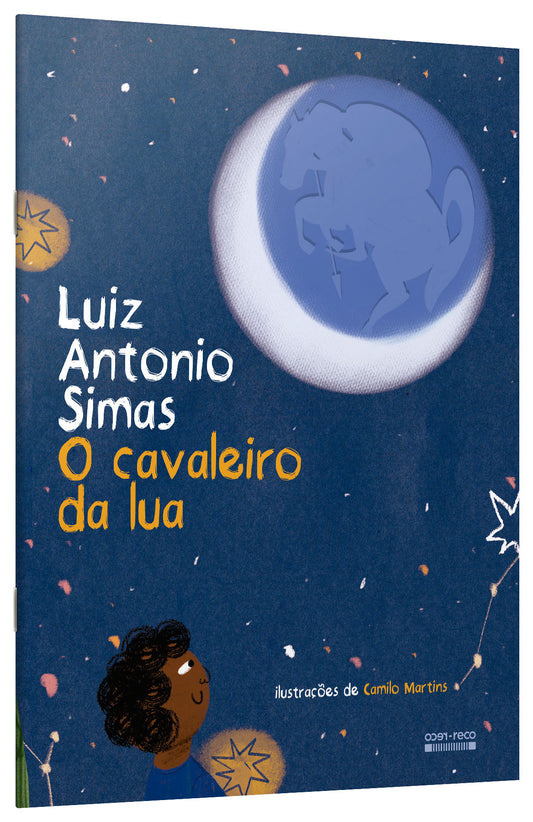
The Moon Knight
-10%
R$ 59,90
R$ 53,91
Sale





Sold out
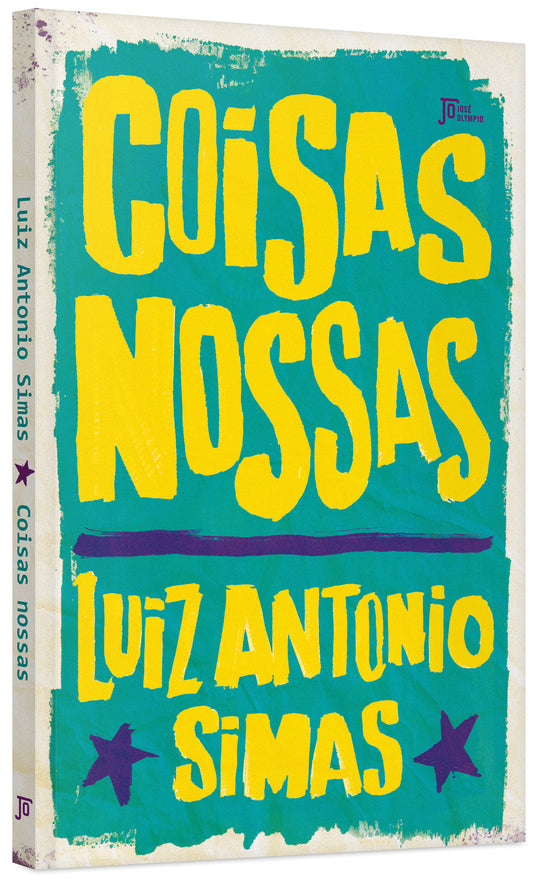
Our things
R$ 54,90
Sold out