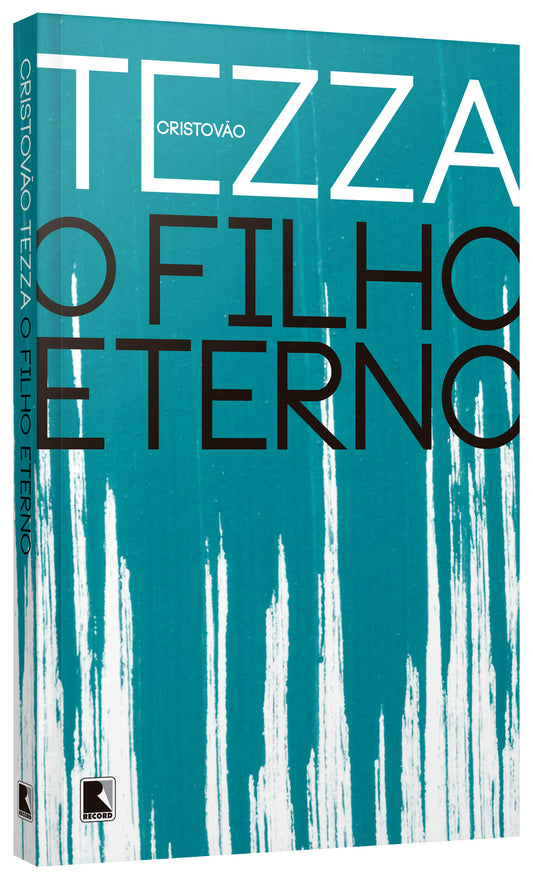
Writing leaves its mark. And it is the footprints of his literary self that Cristovão Tezza retraces in The Spirit of Prose. A kind of reversed coming-of-age novel, where instead of following a character's development, we follow the opposite path. And we discover the origins of a renowned writer. Tezza visits the little-explored borderland between creator and reader. Dr. Jekyll and Mr. Hyde, coexisting in the same gaze—the narrator who writes, author of The Eternal Son, award-winning, praised, and commented upon, juxtaposed with the reader who monitors. In a strange minuet, with a tense rhythm and delicate balance. The nature of literary creation, the struggle to find one's text, the influences on its syntax are found in these selective memories. From the child who copied the form of books in small white compendiums to the award-winning prose writer, passing through the young man who tried to absorb a style through osmosis. Or stubbornness. Who wanted to write a new Saint Bernard, a scene from Dostoevsky, or a paragraph from Faulkner? Here, Tezza dissects the machinery of literary creation with the scalpel of his talent. He separates nerves and tendons, styles and icons of his craft, immersing himself in the spirit of prose, of himself, of his generation, and of the literature that marked him. And that still interests him today. And he gives life to an inanimate object of philosophical, anthropological, and aesthetic discussions. He opens the prose writer/reader's chest and reveals the mass of difficulties, maladjustments, contradictory feelings, suppressed hatreds, forbidden desires, and unbearable nausea that are the raw material of the priesthood of writing. And that molded him into one of the leading voices of contemporary Brazilian literature.