"
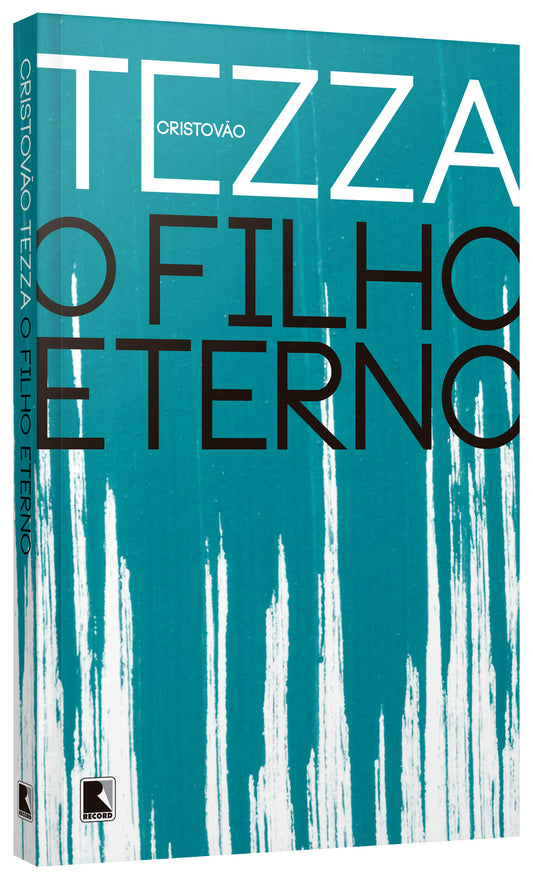
Acclaimed by critics and audiences alike, The Eternal Son tells the story of the birth of a child with Down syndrome, coinciding with a turning point in the parents' lives. A desired child, but different: in the words of the father, in his timid attempt to explain to acquaintances during the first few months, a child with "a small problem." At first, everything is strange, and the father assumes that the urgent need isn't to solve the boy's problem—is there something to be solved?—but the place the child will forever occupy in the couple's life.
In a courageous and moving book, Cristovão Tezza exposes the countless difficulties and the small, sweet victories of raising a child with Down syndrome. He explores his journey through clinics and doctors' offices in the early 1980s, a time when the subject wasn't widely studied and was still shrouded in mysticism. And his tense initial relationship with his wife.
As time passes and through a series of small achievements—his first steps, starting school—little Felipe gradually comes to terms with his place as a son. His father overcomes his denial and no longer sees his firstborn's condition as some kind of "unexpected curse," seeing him as a unique individual in need of love and care.
The author uses the issues that have arisen since Felipe's birth to reorder his own story: experiencing community life as a teenager, living illegally in Germany to earn money, the difficulties of being a writer in his early thirties with a few books in the drawer, and the supposed stability of a professorship at a public university.
With literary precision to clearly link references from such disparate years and situations, Cristovão Tezza reinforces, with the publication of O filho eterno , his place among the greatest Brazilian writers.
"