


Conteúdo do livro
Couldn't load pickup availability
CÓDIGO DA OBRA9788501912800


Sobre o autor
Fernando Sabino
Fernando Tavares Sabino nasceu em 12 de outubro de 1923. Publicou seu primeiro livro, Os grilos não cantam mais, ainda na adolescência. Recebeu, então, uma carta elogiosa de Mário de Andrade, dando início à preciosa correspondência entre ambos, mais tarde publicada sob o título Cartas a um jovem escritor (1982). Foi sócio de Rubem Braga na Editora do Autor e na Editora Sabiá. Escreveu dezenas de livros que se tornaram clássicos da literatura nacional, entre eles O encontro marcado (1956), seu primeiro romance, O menino no espelho (1982) e A faca de dois gumes (1985). Em 1999, foi agraciado pela Academia Brasileira de Letras com o prêmio Machado de Assis, pelo conjunto de sua obra. Sabino morreu em outubro de 2004, na véspera de completar 81 anos.
Mais livros do autor



Sold out
MOVIMENTOS SIMULADOS, OS
R$ 59,90
Sold out


The naked man
R$ 59,90

The best stories
R$ 59,90

Sold out
THE MUSICIAN ROOSTER
R$ 59,90
Sold out

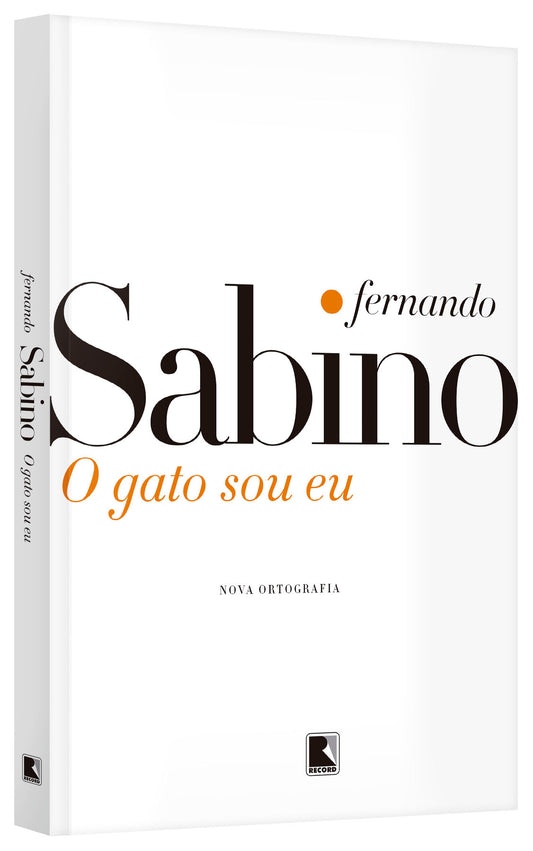
Sold out
The cat is me
R$ 49,90
Sold out


THE APPOINTMENT
R$ 64,90

Sold out
Letters close to the heart
R$ 69,90
Sold out

Sold out
ZÉLIA, A PASSION
R$ 59,90
Sold out


Sold out
TRAVEL COMPANION, THE
R$ 49,90
Sold out




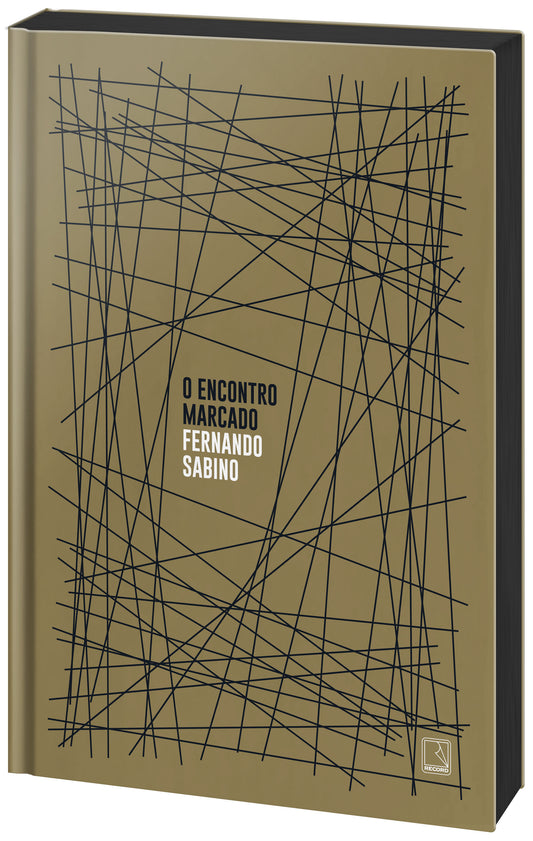

Sold out
Let Alfredo speak!
R$ 59,90
Sold out


Sold out


