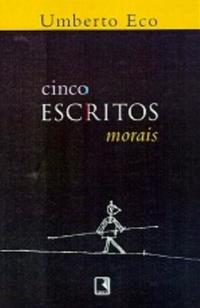
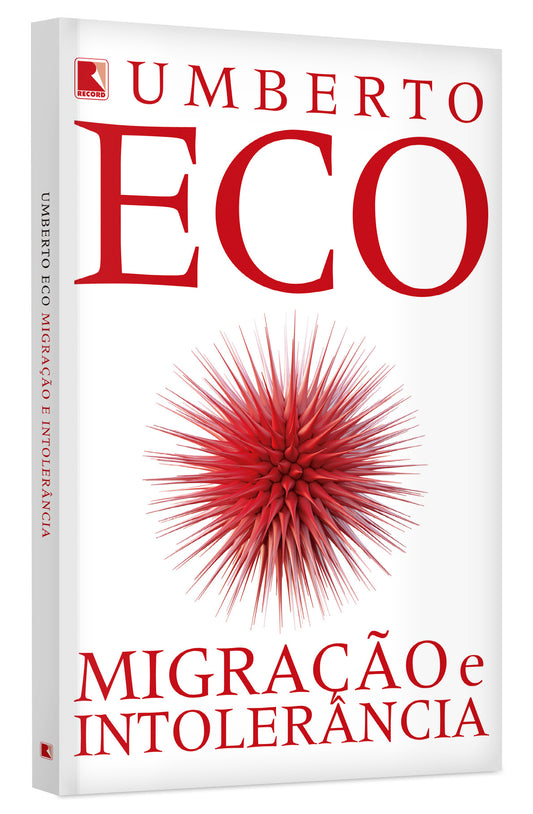
Five Moral Writings

Five Moral Writings

Autor: Umberto Eco
R$ 54,90
R$ 54,90
ou 3x de R$ 18,30
Sinopse
International conflicts; the resurgence of totalitarian ideologies; the role of the press; the concept of morality; ethnic and religious tolerance. Five distinct themes, intertwined with the concept of ethics, are brilliantly addressed by one of the greatest living theorists of communication in Five Moral Writings. The book brings together texts and transcriptions of speeches by Umberto Eco, published in literary magazines in Europe and the United States. The texts collected in Five Moral Writings have two characteristics in common. First and foremost, they are occasional, the result of lectures or interventions by the author on current affairs. Furthermore, they are all ethical in nature, that is, they refer to what would be right to do, what should not be done, or what cannot be done under any circumstances. The first text, "Thinking about War," was published in La Rivista dei Libri on April 1, 1991, during the Gulf War. "Eternal Fascism" is the title of the transcript of a lecture given, in English, at a symposium organized by Columbia University on April 25, 1995, to celebrate the liberation of Europe. It later appeared as "Eternal Fascism" in The New York Review of Books on June 22, 1995, and translated for La Rivista dei Libri in July-August 1995 as "Fuzzy Totalitarianism and Ur-Fascism." What makes this text unique is the timing of its publication: the United States, where it was first published, was shaken by the recent Oklahoma City bombing and the discovery of the (not at all secret, by the way) existence of far-right military organizations in the country. Thus, the theme of anti-fascism took on particular connotations under those circumstances. The third text, "On the Press," is a presentation presented during a series of seminars organized by the Italian Senate among parliamentarians and the editors of the largest Italian newspapers. "When the Other Enters the Scene" reproduces a response by Umberto Eco to Cardinal Martini (Archbishop of Milan) regarding a question about Eco's propositions on the universality of ethics. The final text is, in fact, a collage. The first part of "Migrations, Tolerance, and Intolerability" reproduces the first part of a lecture given on January 23, 1997, at the opening of the convention organized by the mayor of Valencia on the perspectives of the Third Millennium. The second part translates and adapts the introduction to the International Forum on Intolerance, organized in Paris by the Académie Universelle des Cultures. The third segment was published under the title “Ask not for whom the bell tolls” in the newspaper Repubblica, on the occasion of the Rome military tribunal’s sentence on Priebke (a Nazi officer responsible for the deaths of hundreds of people at the end of the Nazi occupation of Rome).
ISBN978-850-105-160-8
Tradutor Eliana Aguiar
Altura210 mm
Largura140 mm
Profundidade10 mm
Lançamento22/04/1998
Páginas126
View full details
R$ 54,90
R$ 54,90
ou 3x de R$ 18,30
Sobre o autor

Umberto Eco

Umberto Eco nasceu em Alexandria em 1932. Filósofo, medievalista, semiólogo, midiólogo, estreou na ficção em 1980 com O nome da rosa (Prêmio Strega 1981), seguido por O pêndulo de Foucault (1988), A ilha do dia anterior (1994), Baudolino (2000), A misteriosa chama da rainha Loana (2004), O cemitério de Praga (2010) e Número zero (2015). Dentre seus trabalhos de filosofia, crítica literária e semiótica, destacam-se Tratado geral de semiótica (1975), Os limites da interpretação (1990), Kant e o ornitorrinco (1997), Da árvore ao labirinto: estudos históricos sobre o signo e a interpretação (2007), Não contem com o fim do livro, com Jean-Claude Carrière (2009), Construir o inimigo e outros escritos ocasionais (2011) e Scritti sul pensiero medievale [Escritos sobre o pensamento medieval] (2012). Em 2004 publicou o volume ilustrado História da beleza, seguido em 2007 por História da feiura, em 2009 por Vertigem das listas e em 2013 por História das terras e lugares lendários. Reconhecido como um dos mais importantes escritores e pensadores do século XX, grande parte de sua obra se encontra publicada no Brasil pela Editora Record. O autor morreu em 2016.

Milo Manara nasceu em Luson em 1945 e é um mestre dos quadrinhos de fama internacional. Foi consagrado em meados da década de 1970 com O rei macaco (roteiro de Silverio Pisu), H.P. e Giuseppe Bergman, L’uomo delle nevi (roteiro de Alfredo Castelli) e o volume 2 de Bergman. Lançou em seguida O homem de papel e Verão índio, que marca a primeira colaboração com Hugo Pratt. Com Clic 1, a produção de Manara é orientada para o erotismo, como confirmam os posteriores O perfume do invisível e Câmera indiscreta. No mesmo período, a partir de um conto de Federico Fellini, Manara adaptou Viagem a Tulum. Nos anos 1990 são publicados El Gaucho (textos de Pratt), Clic 2 e Il viaggio de G. Mastorna, detto Fernet, novamente com Fellini. No novo milênio lança Tre ragazze nella rete, Fuga da Piranesi e 46, cujo protagonista é o motociclista Valentino Rossi. Manara também trabalhou em colaboração com alguns roteiristas internacionais de prestígio: Alejandro Jodorowsky (Bórgia), Neil Gaiman (Sandman: Noites sem fim) e Chris Claremont (X-Men: Garotas em fuga). Caravaggio: a morte da virgem, um de seus trabalhos mais recentes, é uma biografia do pintor italiano em história em quadrinhos.

Ver mais sobre o autor
9788501051608.jpg
Five Moral Writings