


Couldn't load pickup availability


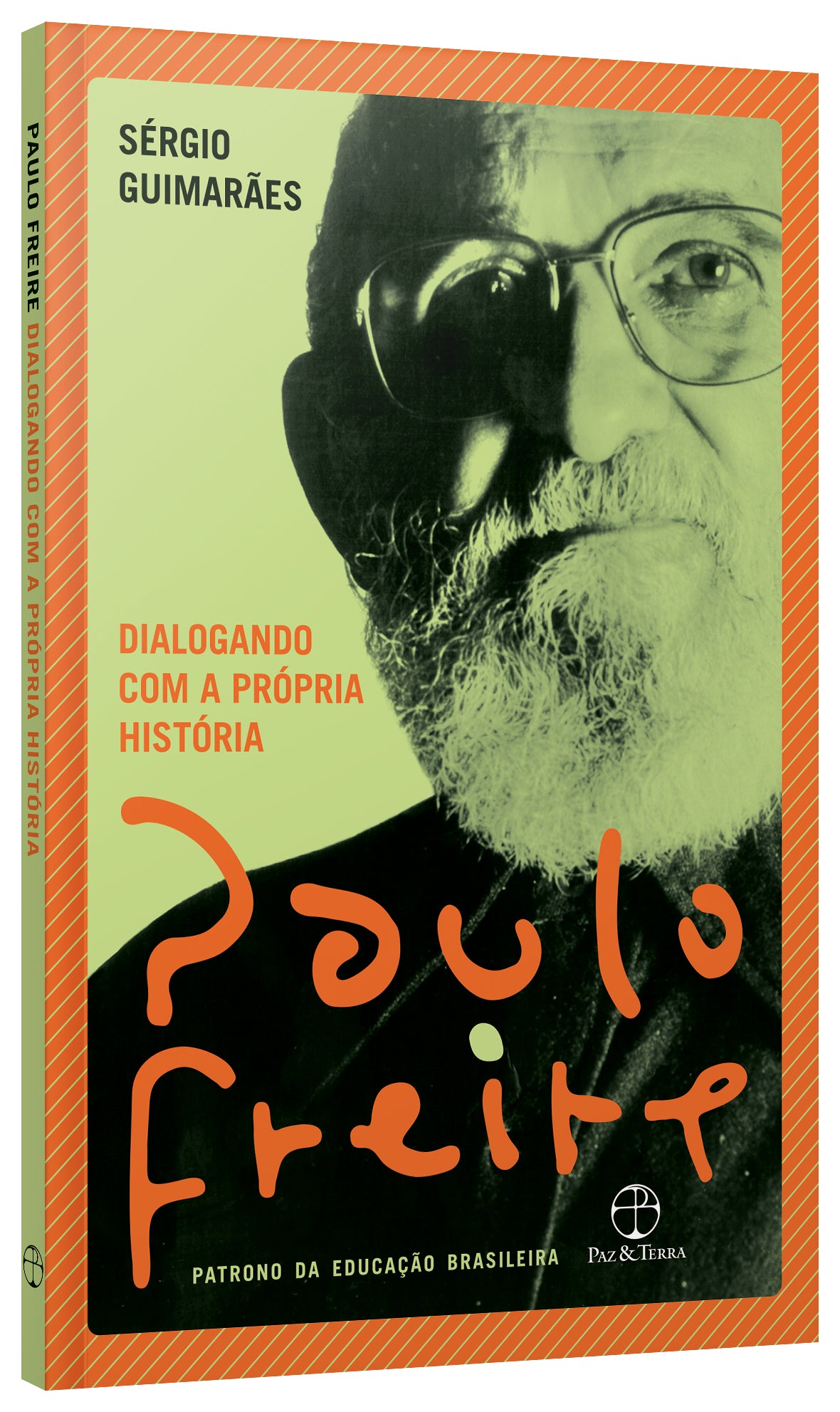
Paulo Freire
Paulo Freire (Recife, 1921–São Paulo, 1997) é Patrono da Educação Brasileira. É um dos brasileiros mais célebres e um dos filósofos do século XX mais lidos do mundo, segundo levantamento do Massachusetts Institute of Technology. Escreveu dezenas de livros, entre eles, Pedagogia do oprimido, a terceira obra de ciências sociais e humanas mais citada no mundo, de acordo com a London School of Economics.
\nEm 1963, em Angicos, interior do Rio Grande do Norte, trezentos trabalhadores rurais foram alfabetizados em apenas 40 horas, pelo método proposto por Paulo Freire. Esse foi o resultado do projeto-piloto do que seria o Programa Nacional de Alfabetização do governo de João Goulart, presidente que viria a ser deposto em março de 1964. Em outubro desse mesmo ano, Freire deixou o Brasil para proteger a própria vida. Apenas voltou a visitar o país em 1979, com a abertura democrática.
\nAo longo de sua história, Paulo Freire recebeu mais de cem títulos de doutor honoris causa, de diversas universidades nacionais e estrangeiras, além de inúmeros prêmios, como Educação para a Paz, da Unesco, e Ordem do Mérito Cultural, do governo brasileiro. Integra o International Adult and Continuing Education Hall of Fame e o Reading Hall of Fame.
Mais livros do autor




Pedagogy of hope

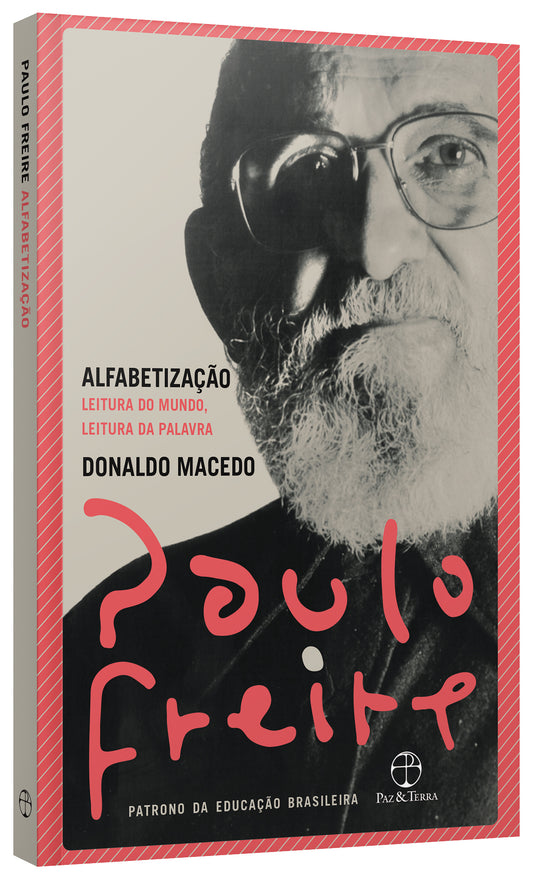

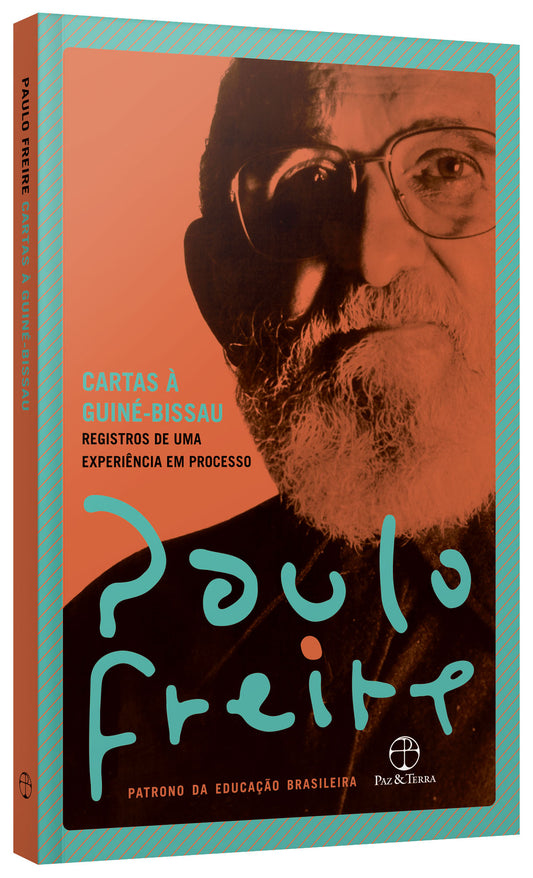



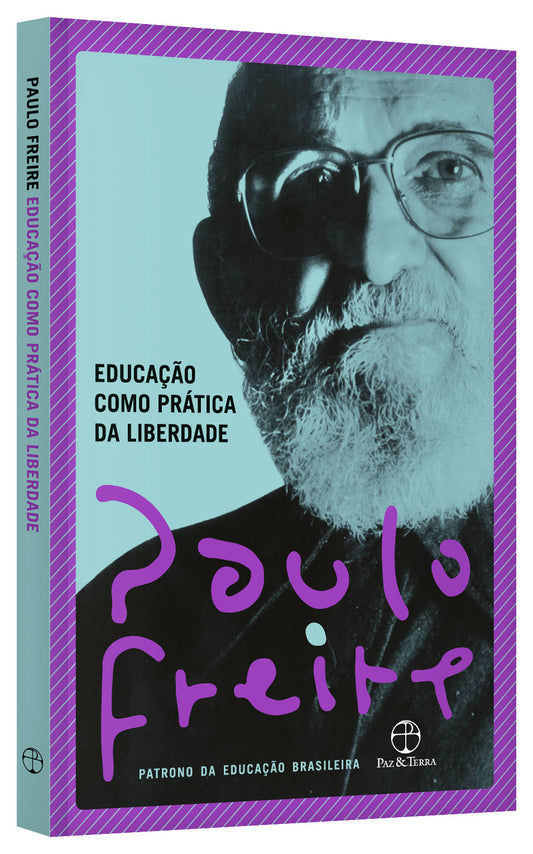


From childhood


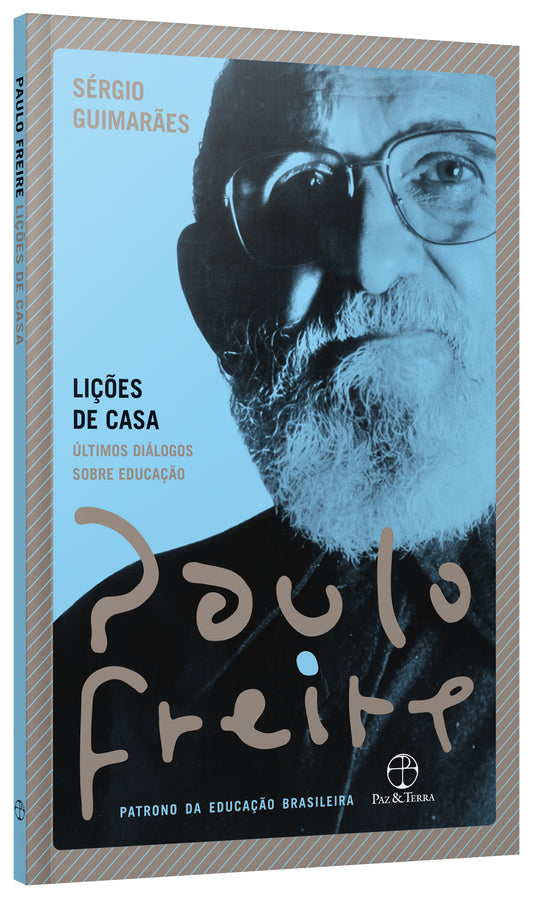




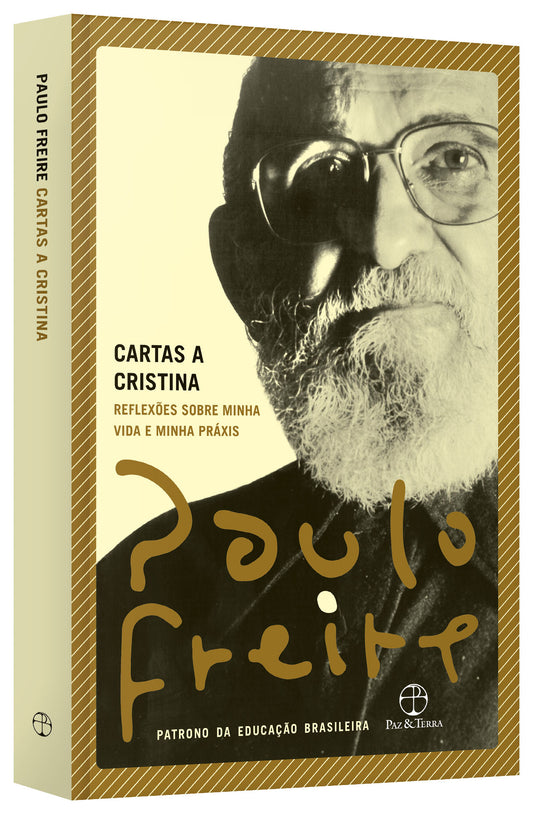
Letters to Cristina

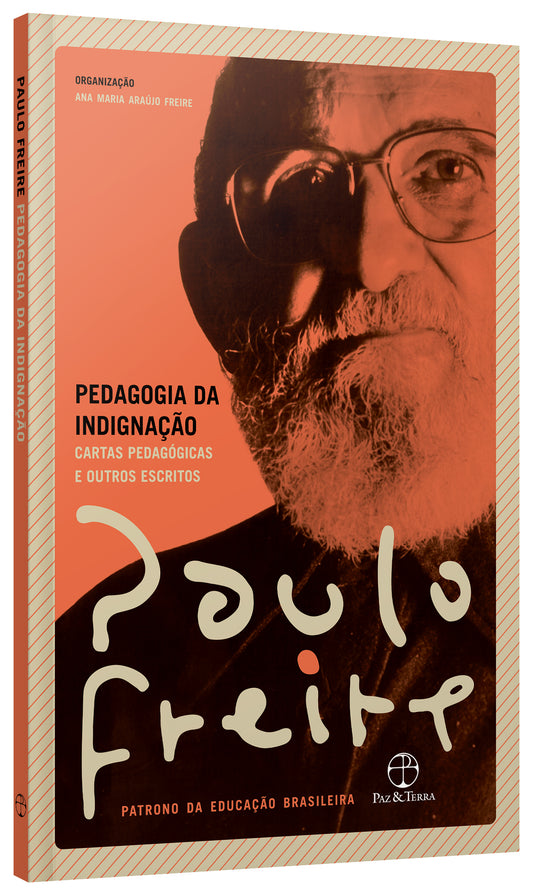
Sérgio Guimarães
"
Paulo Freire (Recife, 1921 – São Paulo, 1997), em 1963, em Angicos, interior do Rio Grande do Norte, coordenou uma equipe que alfabetizou trezentos trabalhadores rurais em apenas quarenta horas. Esse foi o projeto-piloto do que seria o Programa Nacional de Alfabetização do governo de João Goulart, presidente que viria a ser deposto em março de 1964. Em outubro desse mesmo ano, Freire deixou o Brasil para proteger a própria vida. Apenas voltou a visitar o país em 1979, com a abertura democrática. Ao longo de sua história, recebeu 42 títulos de doutor honoris causa, além de títulos de professor emérito, distinguished educator e investigador emérito, de diversas universidades nacionais e estrangeiras, além de inúmeros prêmios, como Educação para a Paz, da Unesco, e Ordem do Mérito Cultural, do governo brasileiro. Integra o International Adult and Continuing Education Hall of Fame e o Reading Hall of Fame.
Sérgio Guimarães (Santo Anastácio, 1951) foi professor primário na periferia de São Paulo. Formou-se na Escola de Comunicações e Artes da USP e lecionou Civilização e Literatura Brasileira na universidade francesa Lyon II. Trabalhou, pela Unesco, na República Popular de Angola; e, pelo Unicef, em Moçambique, no Haiti, em Marrocos, em Angola, na Guiné-Bissau e em Honduras.Unicef.
"Mais livros do autor


Visualizados Recentemente


