The Great Mind (Graphic Novel)

The Great Mind (Graphic Novel)

Conteúdo do livro
CÓDIGO DA OBRA9788501920157
Sinopse

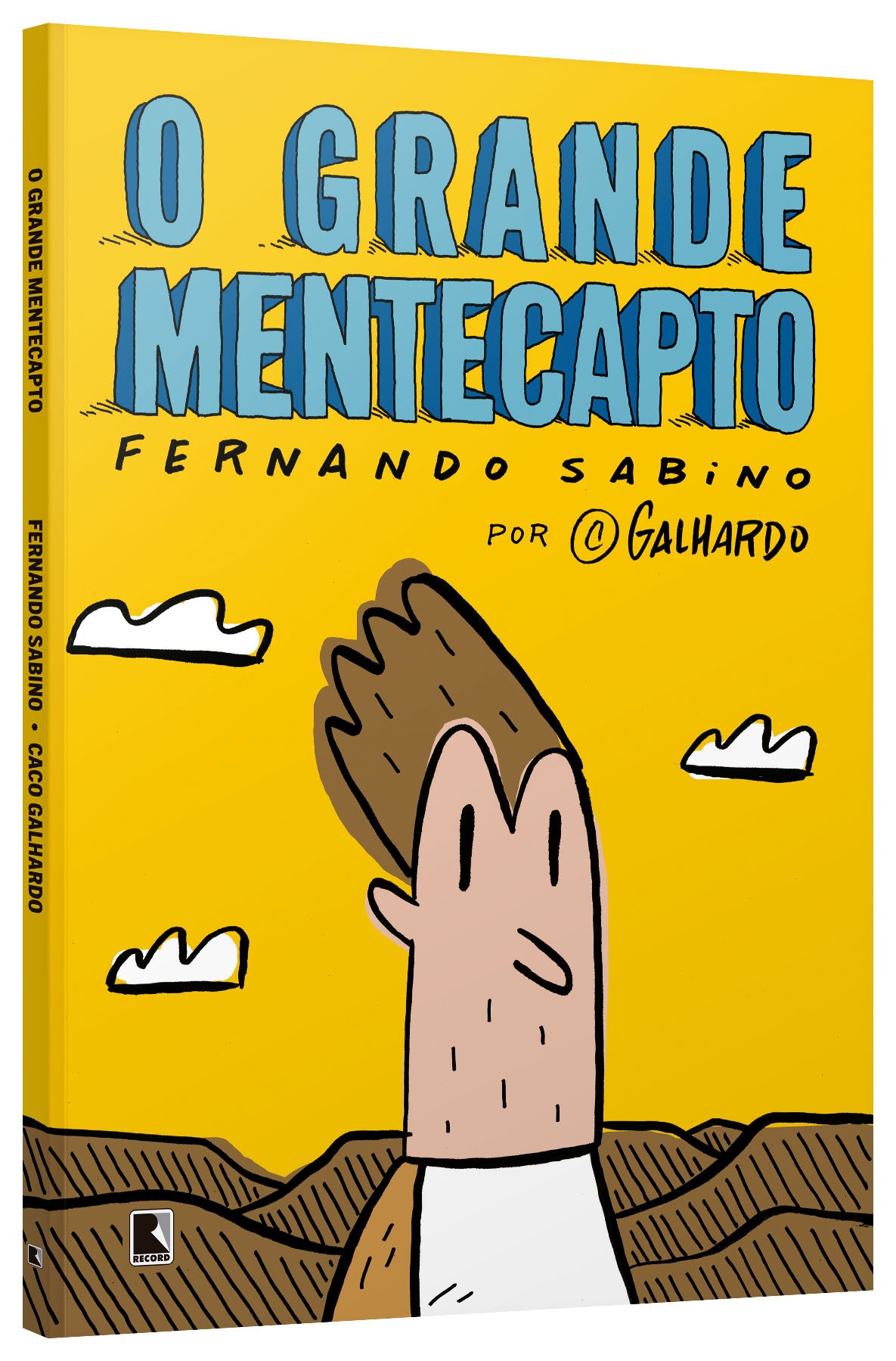
A great classic of Brazilian literature and winner of the 1980 Jabuti Prize, O grande mentecapto , by Fernando Sabino, has been given an unprecedented comic book adaptation by artist Caco Galhardo.

Through the drawings, sensitivity and perception of the renowned Caco Galhardo, O grande mentecapto , a classic novel by Fernando Sabino, transports the reader to the state of Minas Gerais and into the life of the clumsy, yet charming, José Geraldo Peres da Nóbrega e Silva, better known as Geraldo Viramundo.

As a child, Viramundo shook the foundations of his hometown, Rio Acima. With his willpower, his faith in himself, and his madness, he made his way to the train, which never stopped. Later, as a young man, he took his beliefs to the Mariana seminary, aspiring to be a priest. There, he got into a huge fight with Dona Pietrolina and her late husband, which led him to Ouro Preto, where he met his lifelong love. From Ouro Preto, he went to Barbacena, where he ended up in a mental hospital. From Barbacena, he went to Juiz de Fora "to join the glorious army of Caxias and thus fulfill his duty to the country." And from Juiz de Fora, he passed through several other cities, following his path, always faithful to his purpose of turning Minas Gerais inside out, with confusion and adventures everywhere he went.

As Viramundo wanders the state, Brazil is exposed: cowardice, hunger, abuse of power, hypocrisy, disregard for the poor, fights, and conflicts are some of the themes and events present in the story of this great-small Minas Gerais native, and which are also very common in the daily lives of thousands of Brazilians. However, these adversities are subtly portrayed through the charismatic character and engaging writing of his creator, Fernando Sabino, as well as through the fun and captivating illustrations of Caco Galhardo.

As Rodrigo Casarin, a journalist specializing in literature and a columnist for UOL, rightly points out in the cover story of this unprecedented edition: " The great idiot presents itself as a beautiful record of life in other times. [...] It first reached readers in 1979. And it gains new life in another artistic expression: comics. The intersection of Sabino's literature with the lines, colors, and perspective of Caco Galhardo is enchanting."

ISBN978-850-192-015-7
Tradutor
Altura275 mm
Largura205 mm
Profundidade8 mm
Lançamento09/09/2024
Páginas88
View full details
Conteúdo do livro
CÓDIGO DA OBRA9788501920157
Sobre o autor

Fernando Sabino

Fernando Sabino (1923-2004) nasceu em Belo Horizonte (MG). Publicou seu primeiro livro, Os grilos não cantam mais (1941), ainda na adolescência. Recebeu, então, uma carta elogiosa do poeta modernista Mário de Andrade, dando início à preciosa correspondência entre ambos, mais tarde publicada sob o título Cartas a um jovem escritor (1981). Mudou-se para o Rio de Janeiro em 1944, onde foi sócio do cronista capixaba Rubem Braga, na Editora do Autor e na Editora Sabiá. Escreveu alguns romances que se tornaram clássicos da literatura nacional, entre eles O encontro marcado (1956), O grande mentecapto (1976) e O menino no espelho (1982). Sabino também foi um grande cronista, famoso por coletâneas como O homem nu (1960) e A cidade vazia (1963). Em 1999, recebeu da Academia Brasileira de Letras o prêmio Machado de Assis pelo conjunto da obra.

Clarice Lispector (1920-1977) nasceu na Ucrânia e chegou ao Brasil ainda criança, em 1922, com seus pais e duas irmãs. Graduou-se em Direito pela Universidade Federal do Rio de Janeiro (UFRJ), mas nunca exerceu a profissão, tendo se dedicado, toda a vida, à literatura. Seu livro de estreia, Perto do coração selvagem (1943), foi lançado quando ela tinha apenas 24 anos, e ganhou o prêmio de melhor romance de estreia da Fundação Graça Aranha em 1944. Além dessa obra, Clarice publicou mais de vinte livros, incluindo romances, contos, crônicas e literatura infantil. Foi agraciada com diversos prêmios, como o Jabuti (1961 e 1978) e o Carmem Dolores Barbosa (1961). Em 2011, foi postumamente homenageada com a medalha da Ordem do Mérito Cultural, reconhecida como uma das personalidades mais importantes para a cultura brasileira.

Ver mais sobre o autor