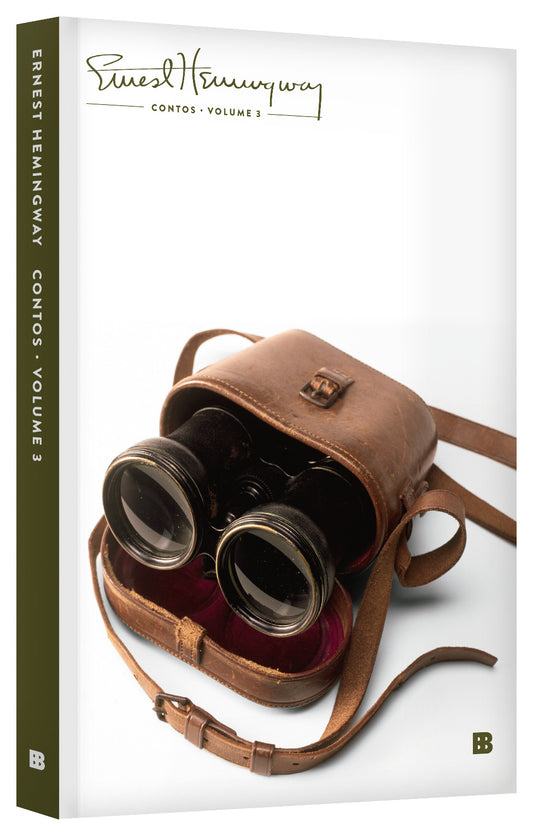
Conteúdo do livro
Couldn't load pickup availability
CÓDIGO DA OBRA9788528617986


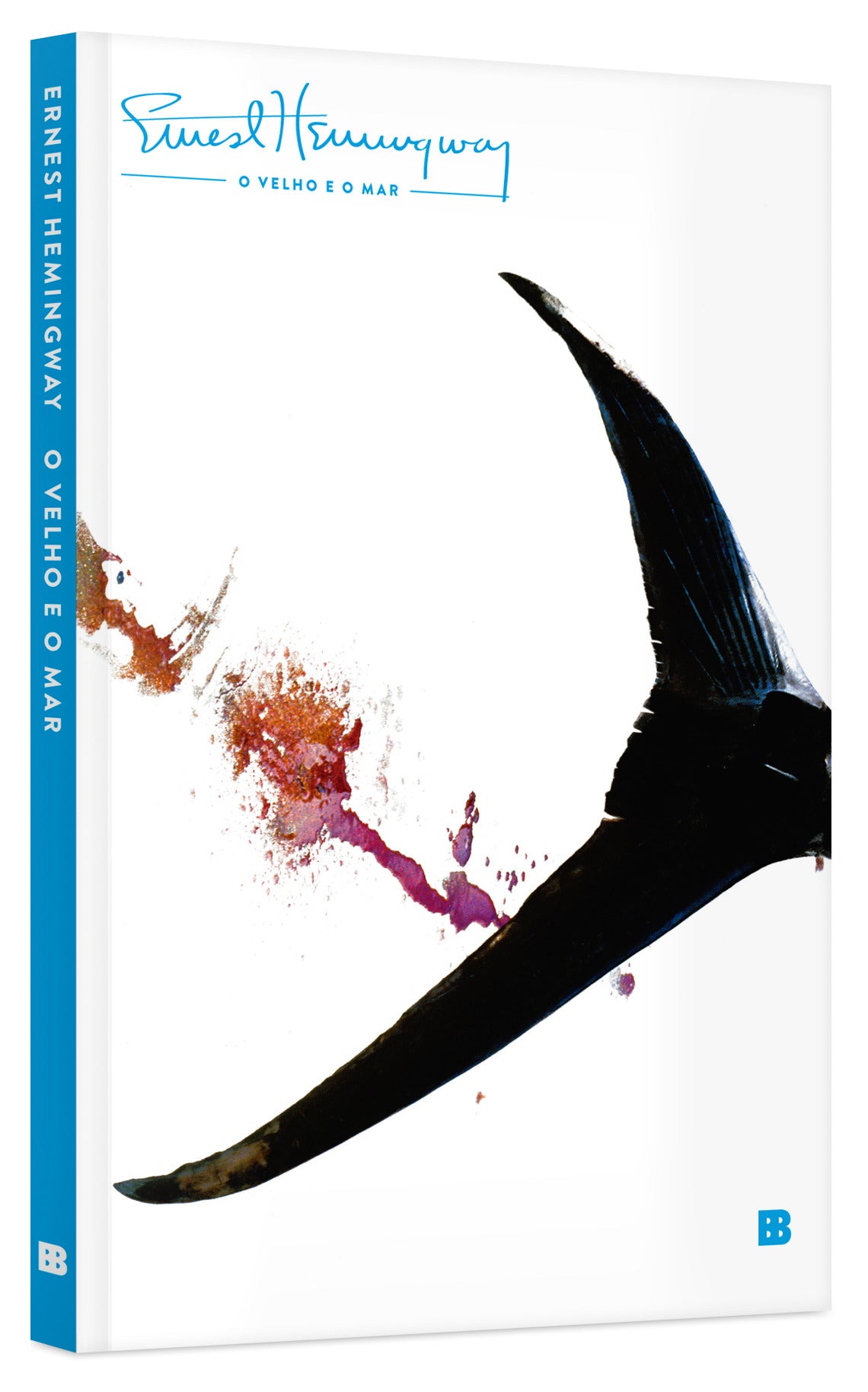
Sobre o autor
Ernest Hemingway
Ernest Hemingway é um dos pilares da literatura contemporânea mundial. Nascido em 1899, começou a escrever aos 18 anos para um jornal. Quando os Estados Unidos entraram na Primeira Guerra Mundial, alistou-se como voluntário tornando-se motorista de ambulância para o Exército da Itália. Após ser ferido, recebeu uma condecoração do governo italiano. Ao voltar para os Estados Unidos, trabalhou como repórter para jornais americanos e canadenses, e então voltou para a Europa, cobrindo eventos como a Revolução Grega. Durante os anos 1920, tornou-se membro do grupo de expatriados americanos em Paris, o qual ele descreveu em seu primeiro livro, O sol também se levanta (1926). Ernest Hemingway foi agraciado com o Nobel de Literatura em 1954 e faleceu em 1961.
Mais livros do autor


Sold out
Farewell to arms
R$ 84,90
Sold out

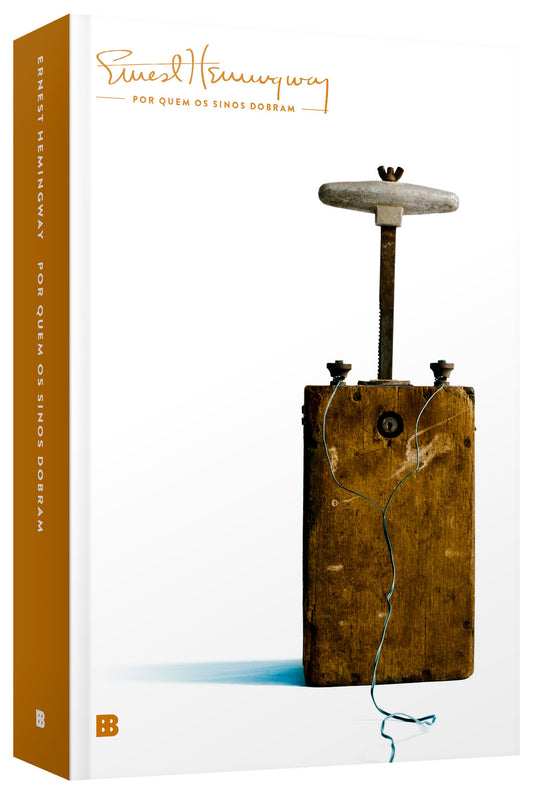


The sun also rises
R$ 74,90


Paris is a party
R$ 69,90

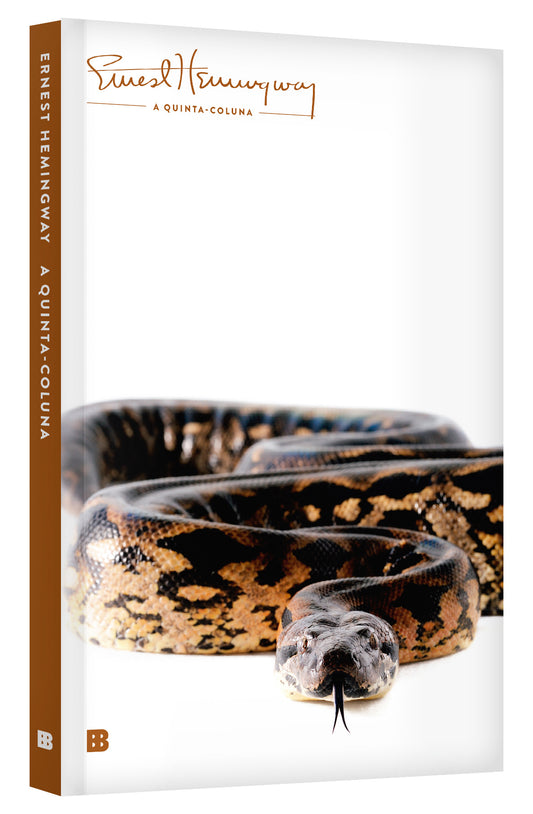
The fifth column
R$ 59,90


Death at dusk
R$ 109,90


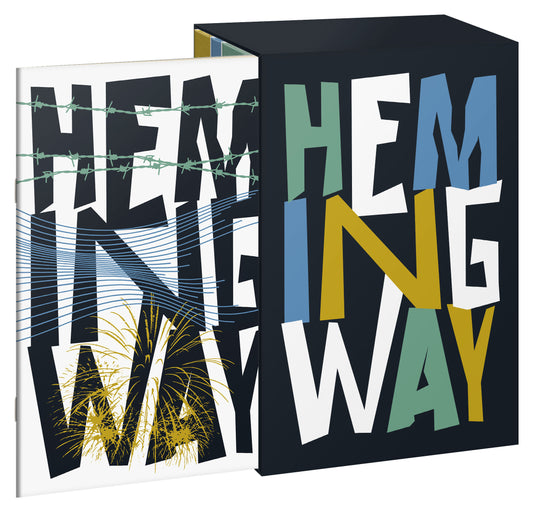
Box Ernest Hemingway
R$ 289,90




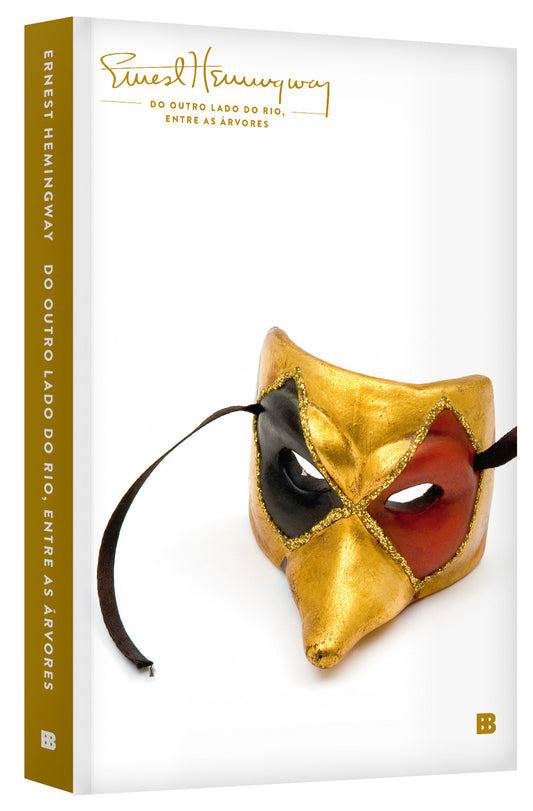

Truth at Dawn
R$ 79,90



Sold out
The dangerous summer
R$ 64,90
Sold out

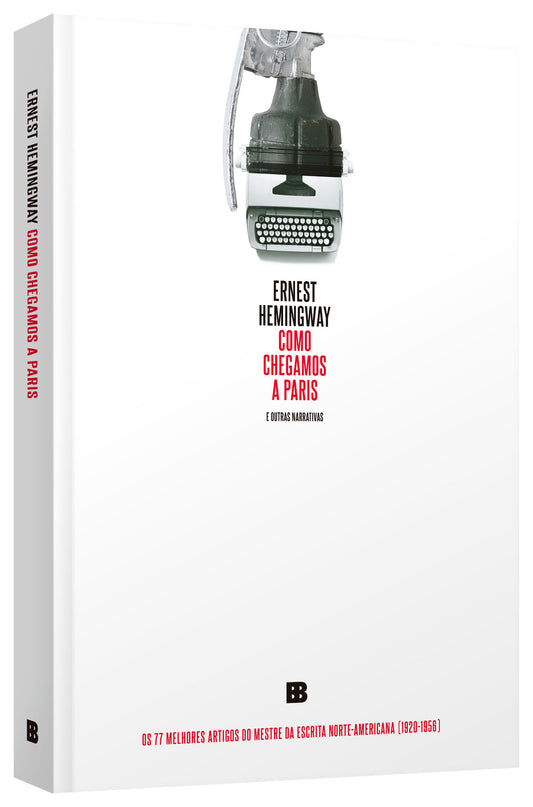


The Garden of Eden
R$ 84,90