


Conteúdo do livro
Couldn't load pickup availability
CÓDIGO DA OBRA9786555874648


Sobre o autor
Carlos Drummond de Andrade
Carlos Drummond de Andrade nasceu em Itabira, Minas Gerais, em 1902. Poeta, contista e cronista, foi autor, entre outros, de Alguma poesia, Brejo das almas, Sentimento do mundo, Claro enigma, Fazendeiro do ar e Fala, amendoeira. É considerado um dos maiores nomes da poesia em língua portuguesa do século XX. Morreu no Rio de Janeiro, em 1987, aos 84 anos. A Editora José Olympio publica a edição especial de dois de seus livros: Lição de coisas e Viola de bolso.
Gilberto Mendonça Teles (1931-2025) foi professor emérito de Literatura Brasileira e Teoria da Literatura na PUC-Rio. Teve diversas passagens, como poeta e crítico literário, por instituições nos Estados Unidos e na Europa. Em 1989, recebeu da academia Brasileira de Letras, pelo conjunto de sua obra, o Prêmio Machado de Assis, a mais importante distinção literária do Brasil. A Editora José Olympio publica o seu livro que é referência para o estudo do modernismo no Brasil, Vanguardas europeias & modernismo brasileiro.
Mais livros do autor

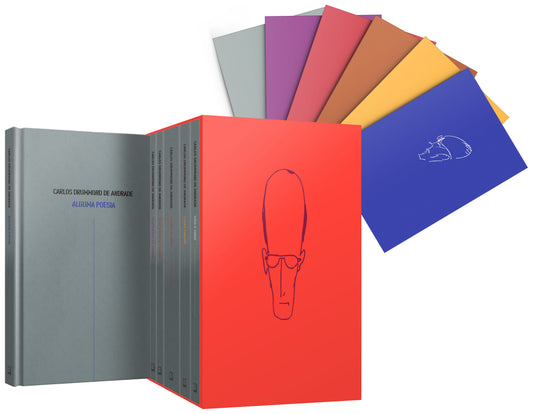

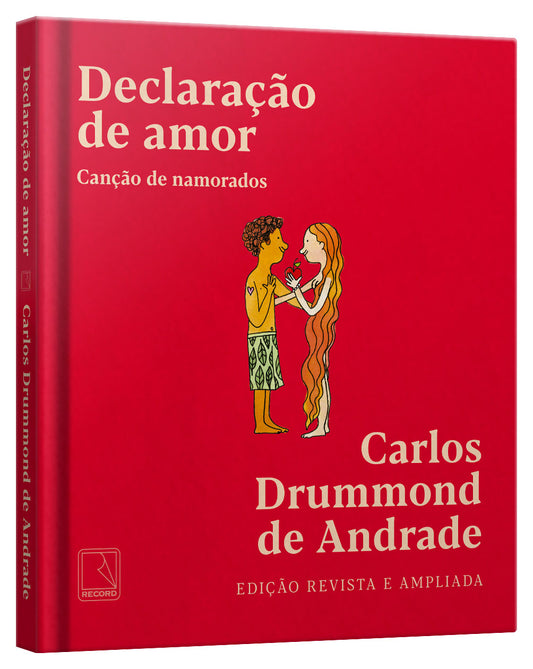
Declaration of love
R$ 99,90

Sold out
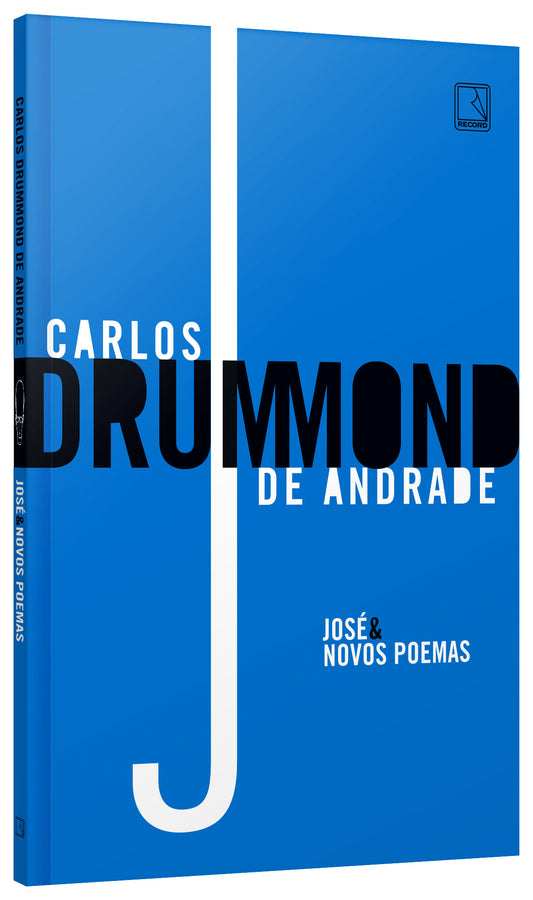
José & New Poems
R$ 84,90
Sold out

Boitempo I: Old Boy
R$ 89,90


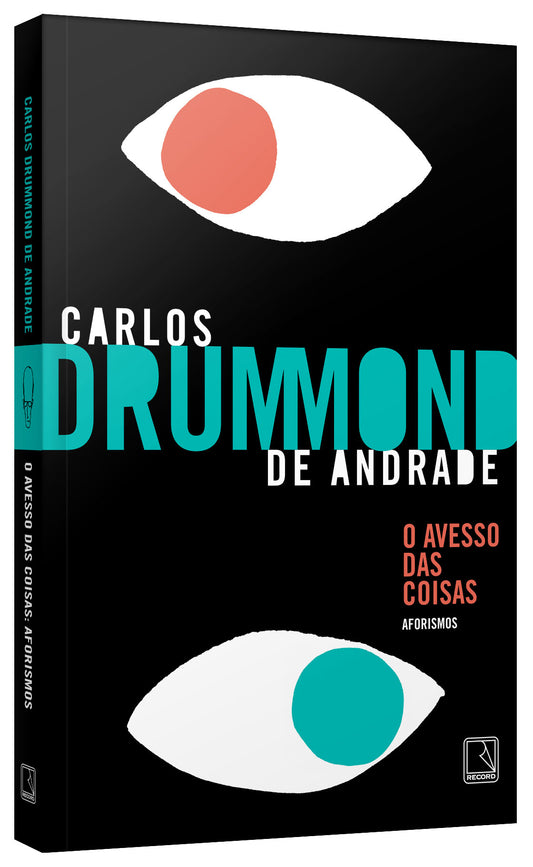
O avesso das coisas
R$ 119,90

Coming soon
Seleta em prosa e verso
R$ 74,90
Coming soon

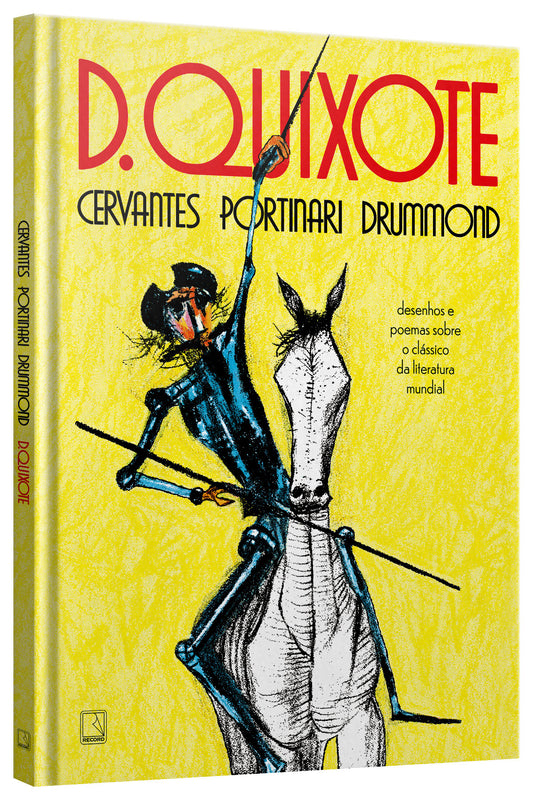

Child of now is fire
R$ 59,90

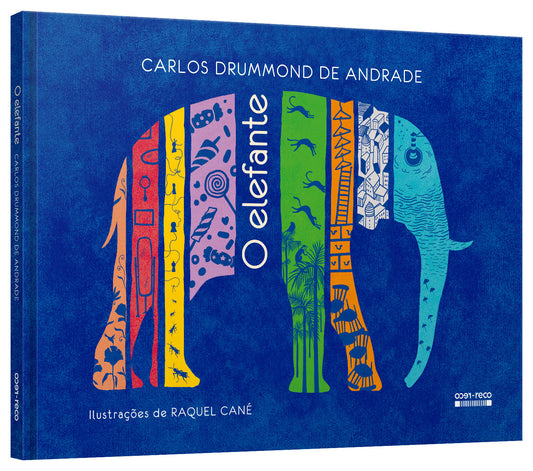
Sale
The elephant
-10%
R$ 64,90
R$ 58,41
Sale

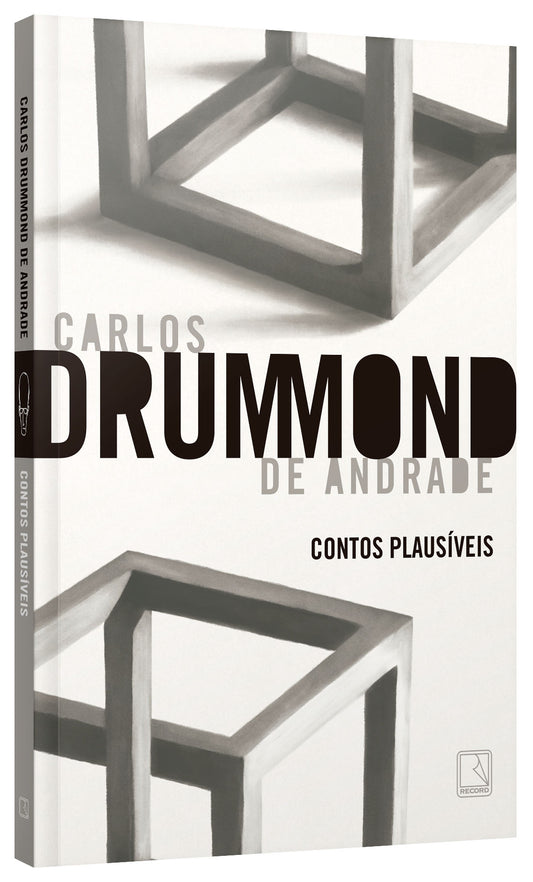
Contos plausíveis
R$ 69,90


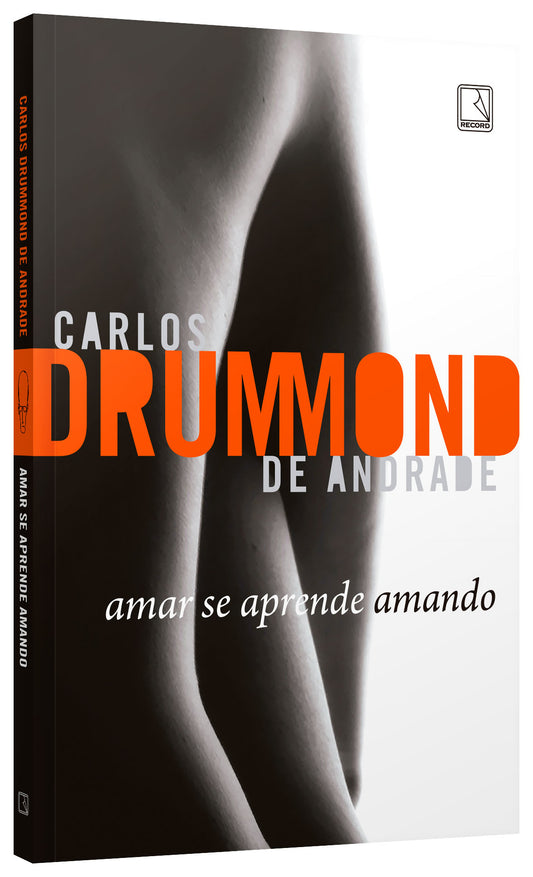
Sold out
Love is learned by loving
R$ 114,90
Sold out

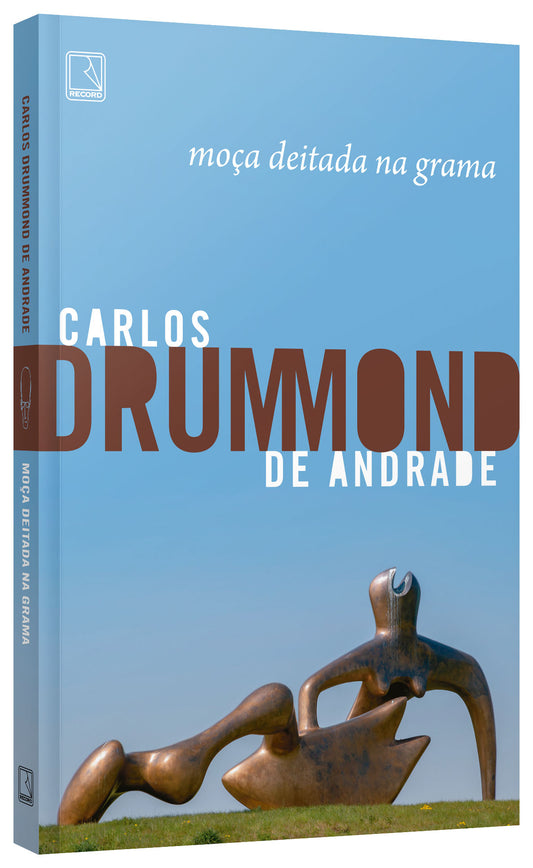

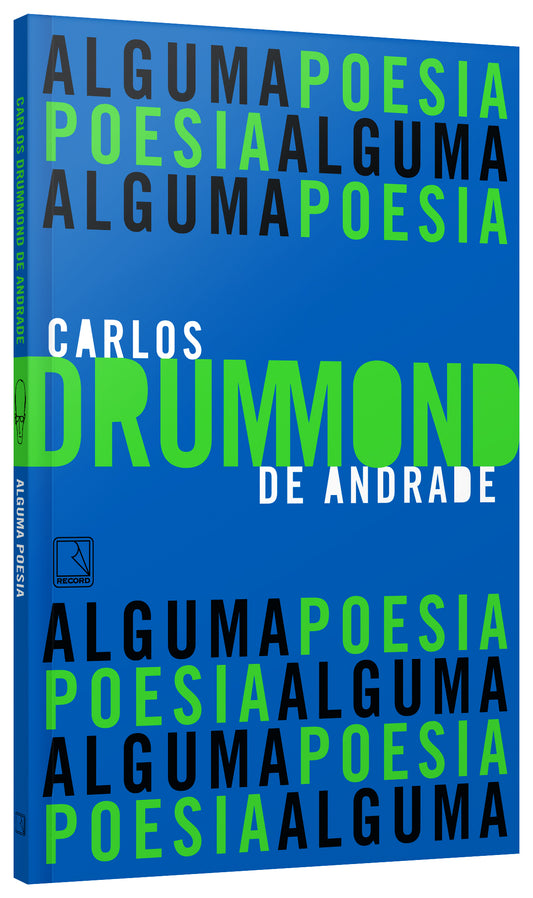
Some poetry
R$ 59,90


Story of two loves
R$ 69,90

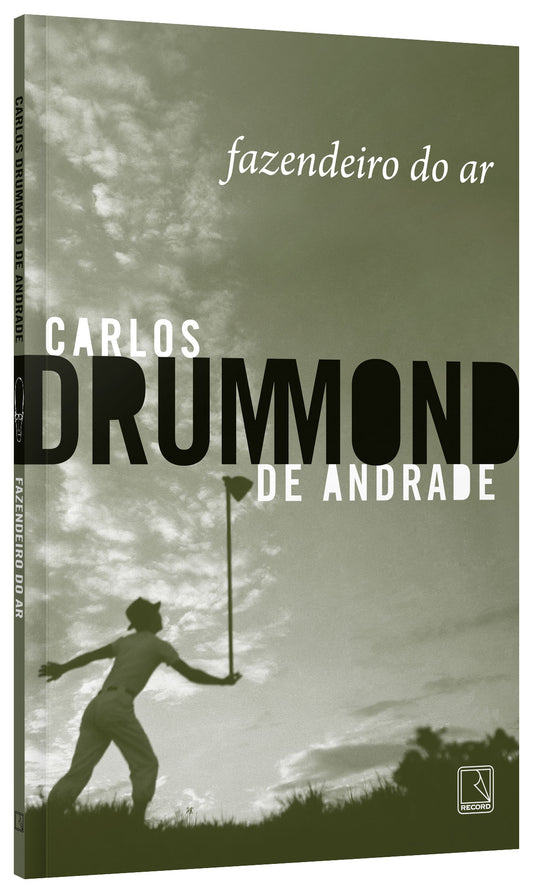
Air farmer
R$ 59,90

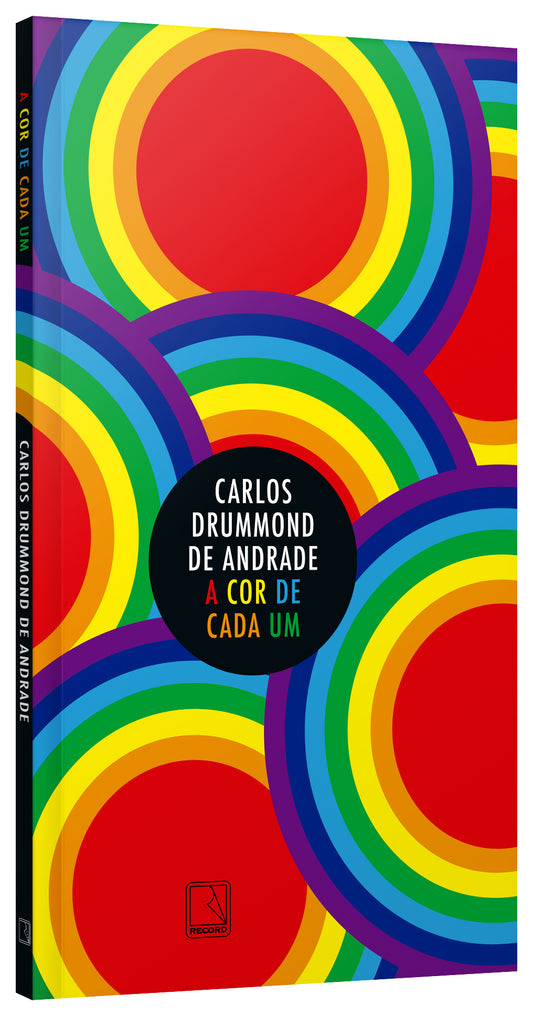
Sold out
The color of each one
R$ 59,90
Sold out

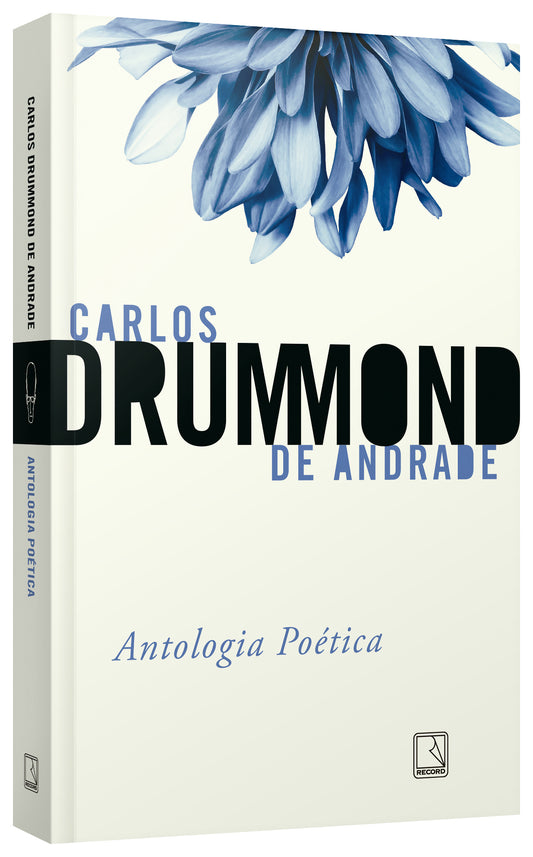
Poetic anthology
R$ 79,90


