Anguish (Economy Edition)

Anguish (Economy Edition)

Conteúdo do livro
CÓDIGO DA OBRA9788501920492
Sinopse

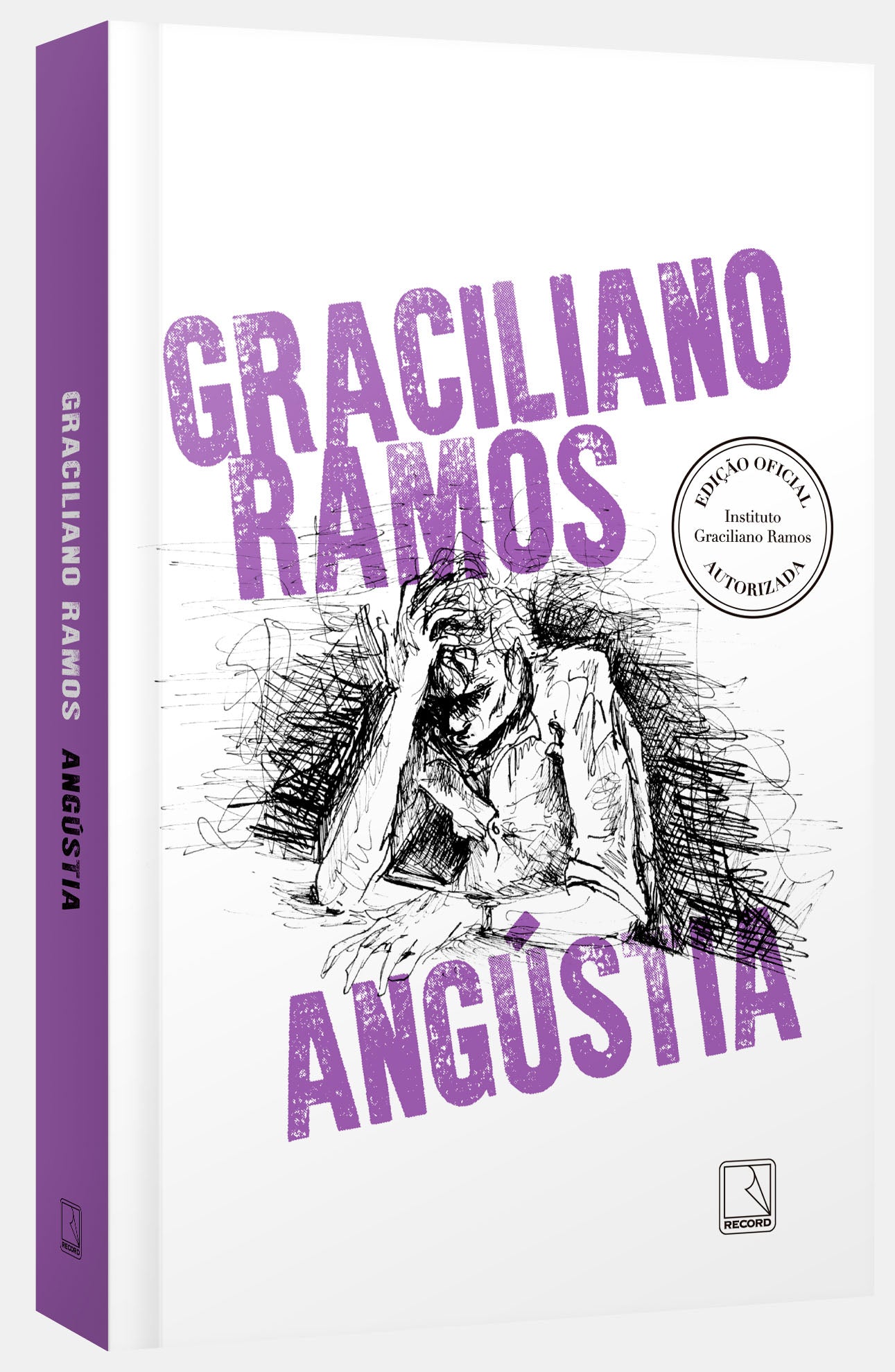
Considered one of the most important Brazilian novels of the 1930s, Angústia , by Graciliano Ramos, debuts in a new paperback edition. This is the only edition authorized by the Graciliano Ramos Institute, which donates a portion of the royalties to the NGO Innocence Project Brasil.

Angústia stars Luís Silva, a civil servant from Maceió who, at 35, led a mediocre life without much emotion until he fell in love with Marina Ramalho and convinced her to marry him.

At first, the young woman shows some interest in the relationship and the material comfort that marriage could provide, but as soon as she becomes disillusioned with Silva's rough manner and rudeness, she ends up leaving her fiancé for Julião Tavares, a richer and more powerful man. Consumed by jealousy and resentment, Silva becomes obsessed with Marina's life, dreaming of eliminating his rival.

Narrated in the first person, the novel adopts a non-linear temporal structure and follows the narrator-character's stream of consciousness, bringing the reader closer to the intense feelings provoked by the internal and external conflicts faced by Luís Silva.

Originally published in 1936, the year Graciliano Ramos was still imprisoned under the repression of the Vargas Government, Angústia now returns in a new paperback edition, reaffirming its role as one of the most influential works of Brazilian literature.

ISBN978-850-192-049-2
Tradutor
Altura175 mm
Largura115 mm
Profundidade21 mm
Lançamento07/10/2024
Páginas448
View full details
Conteúdo do livro
CÓDIGO DA OBRA9788501920492
Sobre o autor

Graciliano Ramos

Graciliano Ramos nasceu em 27 de outubro de 1892, na cidade de Quebrangulo, em Alagoas. Entre 1914 e 1915, então no Rio de Janeiro, trabalhou como revisor nos jornais Correio da Manhã, A Tarde e O Século. Em 1933, foi nomeado diretor da Instrução Pública de Alagoas e, ao mesmo tempo, contratado como redator do Jornal de Alagoas. Em março de 1936 foi preso, em Maceió, sem culpa formada, sob a alegação de que seria comunista, passando por várias prisões, em Maceió e Recife. Segue no porão de um navio para o Rio de Janeiro, onde fica quase um ano na cadeia. Em agosto, ainda na prisão, publica o romance Angústia.  Em 30 de março de 1953, aos 61 anos, o Mestre Graça — como era carinhosamente tratado — faleceu na cidade do Rio de Janeiro.

Ver mais sobre o autor