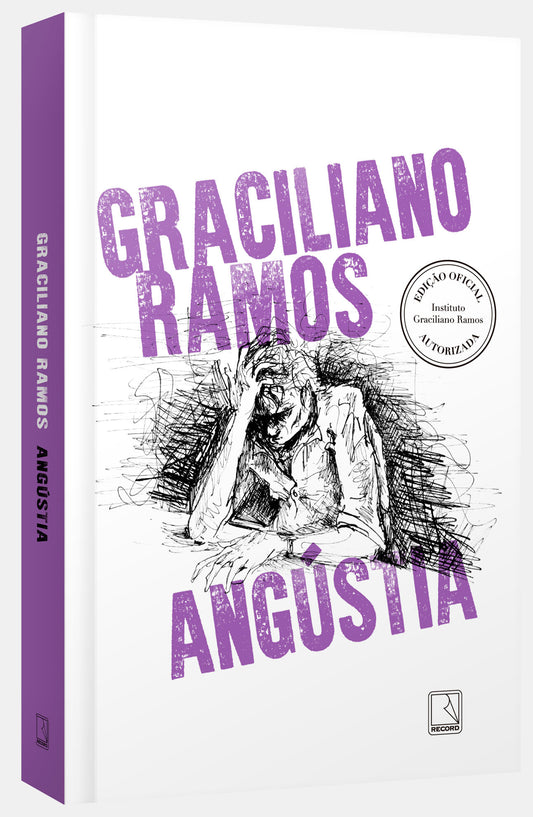
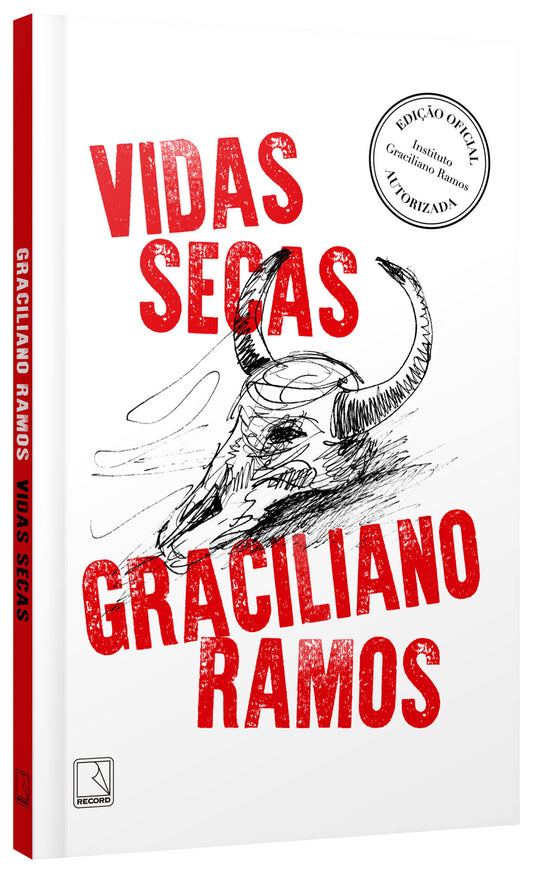
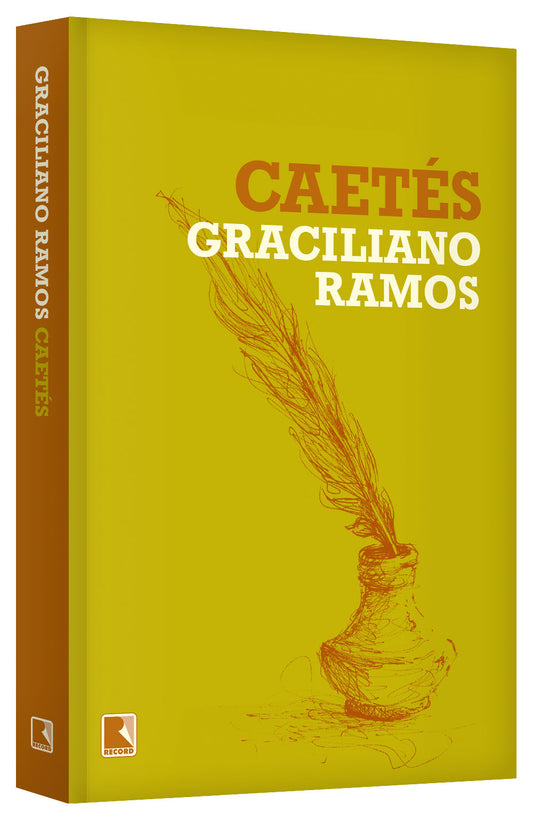
The only edition authorized by the Graciliano Ramos Institute, where a portion of the royalties go to the NGO Inoccence Brasil. Viagem reaffirms Graciliano's commitment to social justice without compromising his literary freedom. An essential account of a time of intense political and ideological passions.
The first half of the 20th century was a fiery and fueled ideals and revolutions. At the end of World War II, the world was divided under the aegis of capitalism or socialism, and much was said about the social role of art and its commitment to popular causes. In 1945, Graciliano Ramos, already considered a great writer, joined the Communist Party of Brazil at the invitation of Luís Carlos Prestes and found himself faced with the dilemma of reconciling his political stance with his literary output.
Despite being a member of the "Big Party," Graciliano Ramos resisted making his work available to the ruling party. He began to face attacks from the most hardened militants, who saw his intellectual integrity as a form of impartial resistance. Amid strained relations with the party, the leaders invited him on a trip to Czechoslovakia and the Soviet Union in 1952. Eager to experience the country that led a global revolutionary movement and to disentangle his own judgment from the distorted condemnation articulated by the Western press, the writer embarked on the journey that inspired this book.
Graciliano Ramos's narrative talent and his refusal to turn literature into a propaganda vehicle make Journey an authentic and enjoyable account of the experience in Soviet lands during the early years of the Cold War. At the end of this edition, you'll find the notes that gave rise to the book—Ramos's last writing, published only a year after his death in 1953.
This edition is part of the 90th anniversary celebrations of Editora José Olympio, the first book publisher to publish Viagem . Here, readers are presented with rare photographs of the elder Graça among his companions, taken in Soviet lands. Both the images and the cover, illustrated by Cândido Portinari, reproduce elements from the book's first edition. A must-have for all those who, faced with a polarized world, recognize the importance of seeing through the media biases and romanticism surrounding communism.