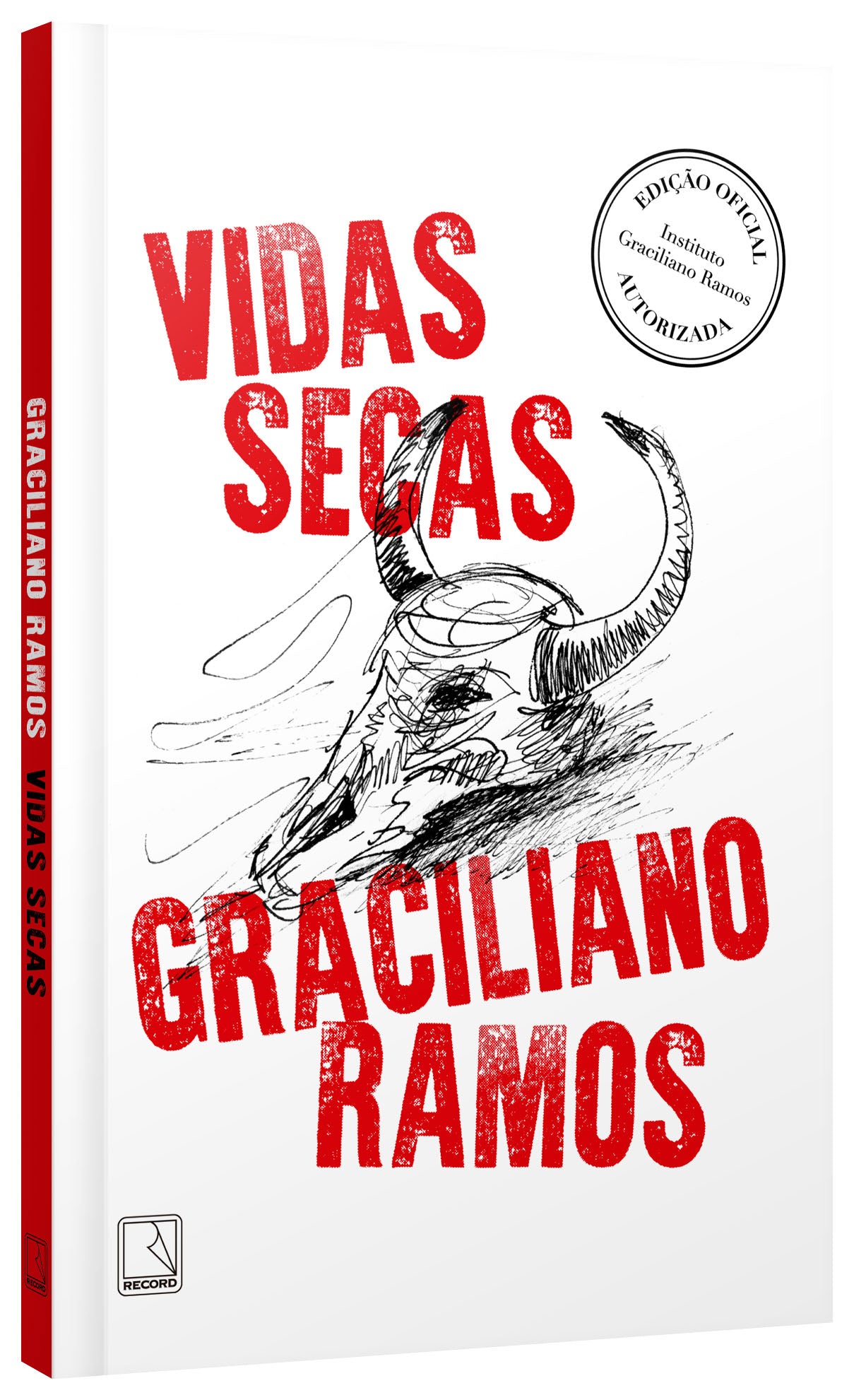
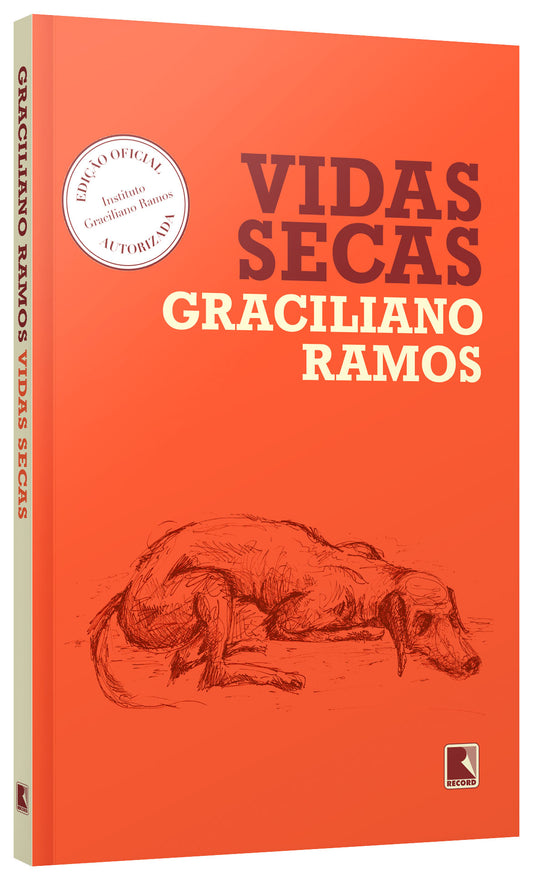
Dry Lives (Economic) - Official Edition

Dry Lives (Economic) - Official Edition

Conteúdo do livro
CÓDIGO DA OBRA9786555877915
Sinopse

The only edition authorized by the Graciliano Ramos Institute, where part of the royalties go to the NGO Inoccence Brasil. Graciliano Ramos's most important book and one of the greatest classics of Brazilian literature, now in an economical edition. First published in 1938, Vidas secas portrays the miserable life of a family of migrants on their pilgrimage through the Northeastern backlands. One of the iconic works of Brazilian literary modernism, Vidas secas is a timely, moving, and cruelly truthful portrait of Brazil.

Graciliano Ramos was born in 1892 in the interior of Alagoas, and grew up on his father's farm before moving to the state capital and later to Rio de Janeiro, where he began working in the press. In 1937, he was arrested on vague charges of defending communist ideologies. Upon leaving prison, he sought work as a journalist for a Rio de Janeiro newspaper. The editor then allowed him to publish a short text, and Graciliano wrote a short story called "Baleia" (Whale), about the suffering and death of a family of rural migrants' dog. The story was a success, and the newspaper commissioned others in the same style. Graciliano then produced a short story for each member of the family: the father, the mother, and the two children. Thus was born Vidas secas (Dry Lives ), narrated in the third person, with thirteen chapters that, because they lack temporal linearity, can be read out of order, like short stories.

Originally released in 1938, Vidas secas portrays the miserable life of a family of rural migrants forced to periodically relocate to areas less affected by the drought. The father, Fabiano, walks through the arid landscape of the caatinga in Northeast Brazil with his wife, Sinha Vitória, and their two sons, who are unnamed, referred to only as "eldest son" and "youngest son." They are also accompanied by the family dog, Baleia, whose name is ironic, as the lack of food has made her very thin.

Vidas secas belongs to the second modernist phase of Brazilian literature, known as "regionalist" or "1930s romance." It strongly denounces the hardships of the Brazilian people, especially the poverty of the Northeastern backlands. It is the novel in which Graciliano achieves the maximum expression he had been seeking in his prose: what drives the characters is the harsh, cruel drought, and paradoxically, the telluric, affective connection it exposes in those beings in retreat, searching for means of survival and a future.

ISBN978-655-587-791-5
Tradutor
Altura175 mm
Largura115 mm
Profundidade9 mm
Lançamento29/01/2024
Páginas182
View full details
Conteúdo do livro
CÓDIGO DA OBRA9786555877915
Sobre o autor

Graciliano Ramos

Graciliano Ramos nasceu em 27 de outubro de 1892, na cidade de Quebrangulo, Alagoas. Entre 1914 e 1915, então no Rio de Janeiro, trabalhou como revisor nos jornais Correio da Manhã, A Tarde e O Século. Casou-se em 21 de outubro de 1915 com Maria Augusta de Barros, com quem teve quatro filhos. Em 1926, já viúvo, casou-se novamente, com Heloisa Medeiros, companheira até o fim da vida e mãe de seus outros quatro filhos; e foi eleito prefeito de Palmeira dos Índios — cargo a que renunciou, em 1930, dois anos após a posse. Poucos meses depois, foi nomeado diretor da Imprensa Oficial de Alagoas, mas pediu demissão em dezembro de 1931. Em 1933, publicou seu romance de estreia, Caetés. No mesmo ano, foi nomeado diretor da Instrução Pública de Alagoas e contratado como redator do Jornal de Alagoas. Em 1934, publicou seu segundo romance, S. Bernardo. Em março de 1936, foi preso, em Maceió, sem acusação formal, sob a alegação de que seria comunista. Passou por várias prisões em Maceió e Recife. Seguiu no porão de um navio para o Rio de Janeiro, onde ficou quase um ano na cadeia. Em agosto, ainda na prisão, publicou o romance Angústia. Ao sair do cárcere, morou no Rio de Janeiro com a família. Iniciou a publicação de alguns contos no jornal argentino La Prensa, entre eles “Baleia”, que faria parte da edição de Vidas secas, lançado em 1938. Ao completar 50 anos, recebeu o Prêmio Felipe de Oliveira pelo conjunto da obra. Em 1945, filiou-se ao Partido Comunista a convite de Luís Carlos Prestes. Em 30 de março de 1953, aos 61 anos, o Mestre Graça ― como era carinhosamente chamado ― faleceu na cidade do Rio de Janeiro.

Ver mais sobre o autor