


R$ 149,90
R$ 149,90
ou 3x de R$ 49,97
Couldn't load pickup availability

Sobre o autor
Graciliano Ramos
Graciliano Ramos nasceu em 27 de outubro de 1892, na cidade de Quebrangulo, em Alagoas. Entre 1914 e 1915, então no Rio de Janeiro, trabalhou como revisor nos jornais Correio da Manhã, A Tarde e O Século. Casou-se em 21 de outubro de 1915 com Maria Augusta de Barros, com quem tem quatro filhos. Em 1926, já viúvo, casou-se novamente, com Heloisa Medeiros. Em 1938, escreveu o livro que se tornaria sua obra-prima: Vidas secas, seu quarto e último romance, voltado para o drama social e geográfico de sua região — melhor expressão de seu estilo, com ênfase regionalista. Em 30 de março de 1953, aos 61 anos, o Mestre Graça — como era carinhosamente tratado — faleceu na cidade do Rio de Janeiro.
Mais livros do autor

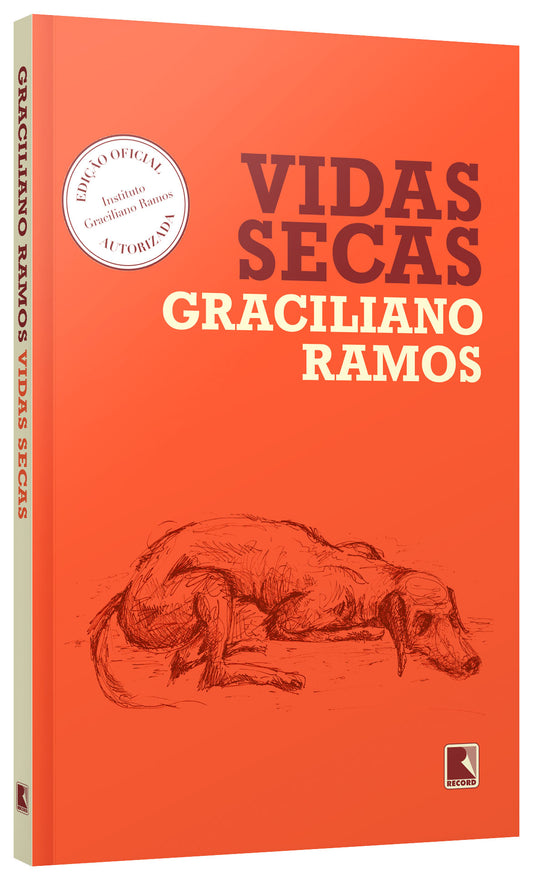

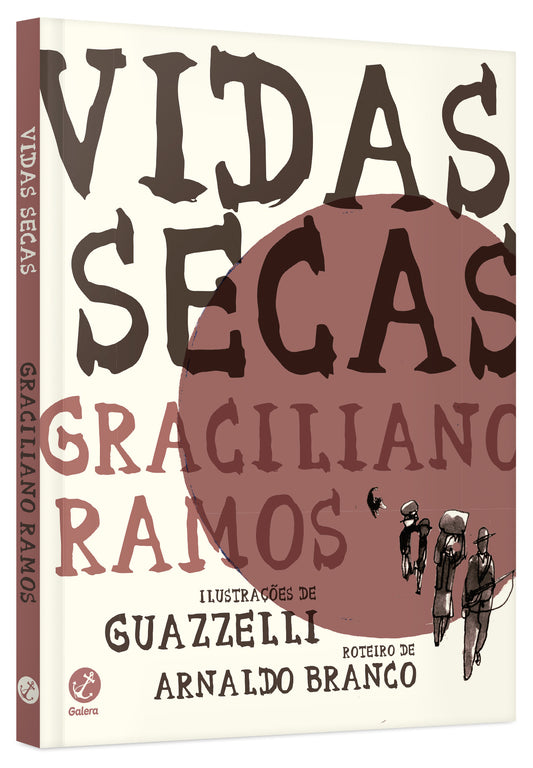

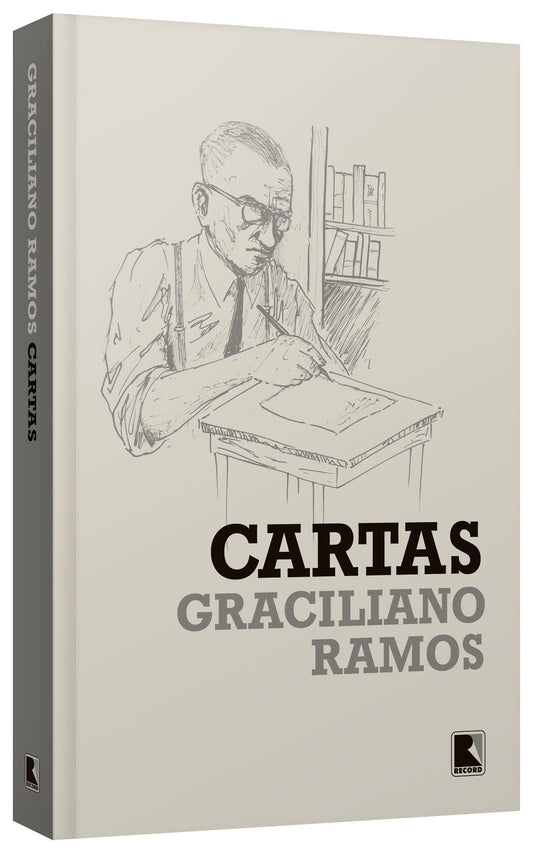

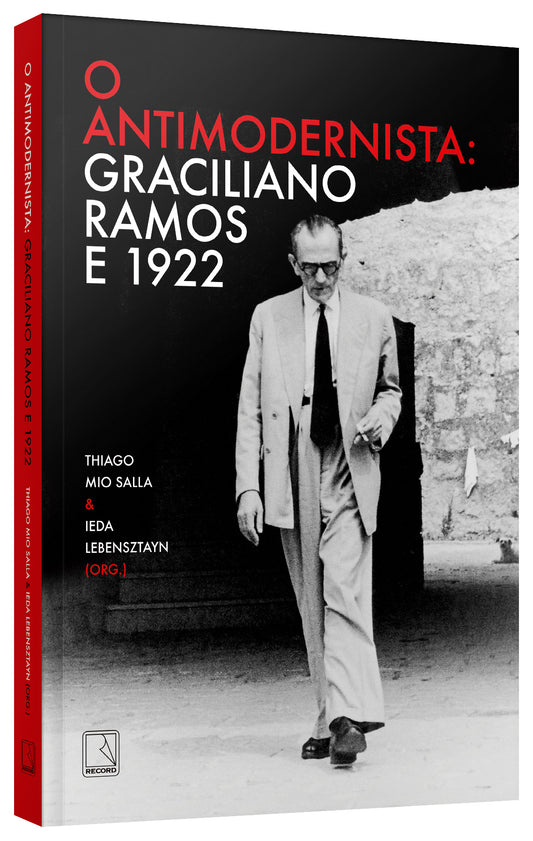
The antimodernist
R$ 64,90

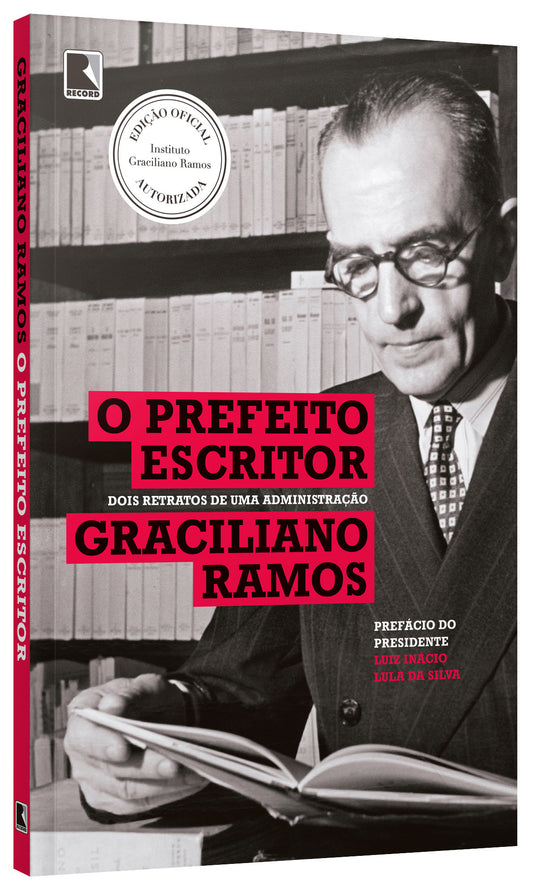
The writer mayor
R$ 59,90

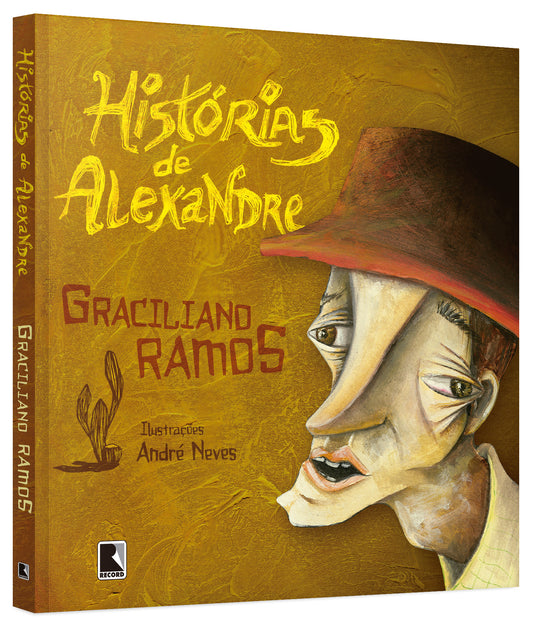
Stories of Alexander
R$ 54,90

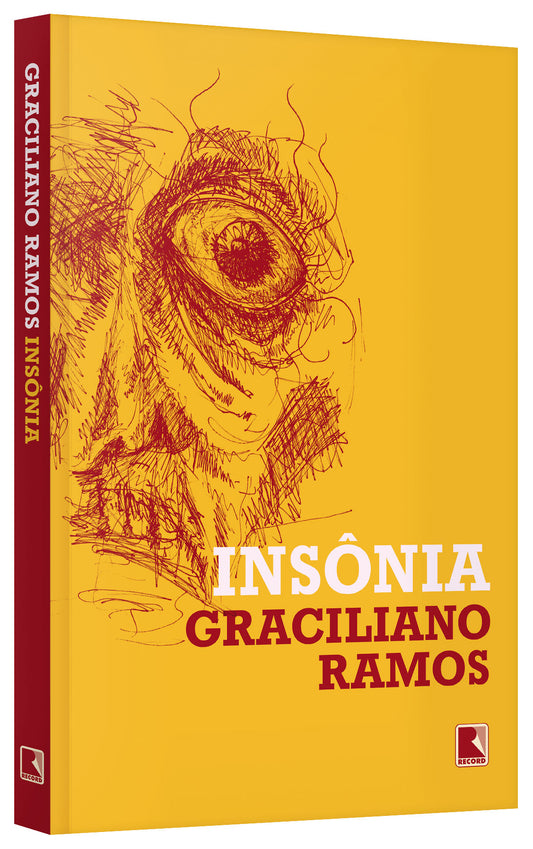

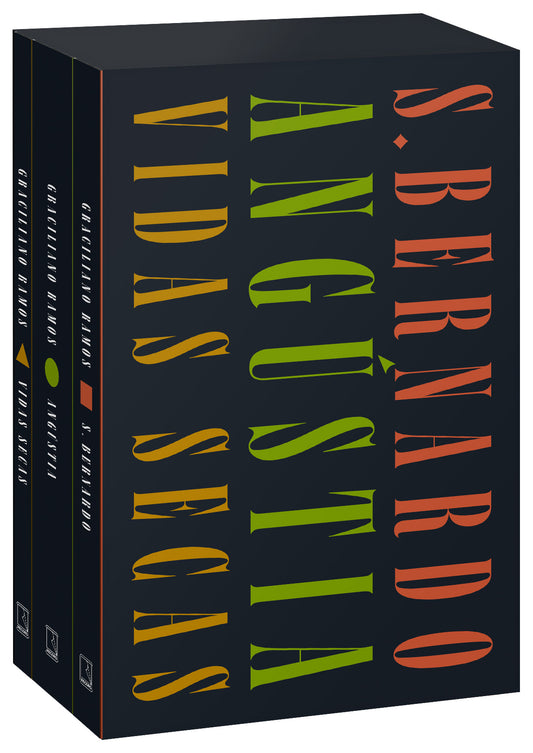
Box Graciliano Ramos
R$ 199,90

St. Bernard
R$ 59,90



Memories of prison
R$ 109,90

Sold out



Visualizados Recentemente

Dry Lives (70th Anniversary Special) - Official Edition


