


Conteúdo do livro
Couldn't load pickup availability
CÓDIGO DA OBRA9786558471547


Sobre o autor
Rachel de Queiroz
Rachel de Queiroz nasceu no dia 17 de novembro de 1910 em Fortaleza, Ceará. Ainda não havia completado 20 anos quando publicou uma modesta tiragem de O Quinze, seu primeiro romance. Mas tal era a força de seu talento que o livro despertou imediata atenção da crítica de todo o Brasil. Em 1931 mudou-se para o Rio de Janeiro, mas nunca deixou de passar parte de seu tempo em sua fazenda no sertão cearense. Rachel se dedicou ao jornalismo, atividade que exerceu paralelamente à sua produção editorial. Primeira escritora a integrar a Academia Brasileira de Letras (1977), Rachel de Queiroz morreu no Rio de Janeiro, aos 92 anos, em 4 de novembro de 2003. Cronista e romancista primorosa, escreveu peças teatrais e livros infantis. Da autora, a José Olympio reeditou recentemente O Quinze, João Miguel, As três Marias, Caminho de pedras, Memórias de menina,O galo de ouro, Memorial de Maria Moura, Um alpendre, uma rede, um açude e Lampião/A Beata Maria do Egito.
Mais livros do autor

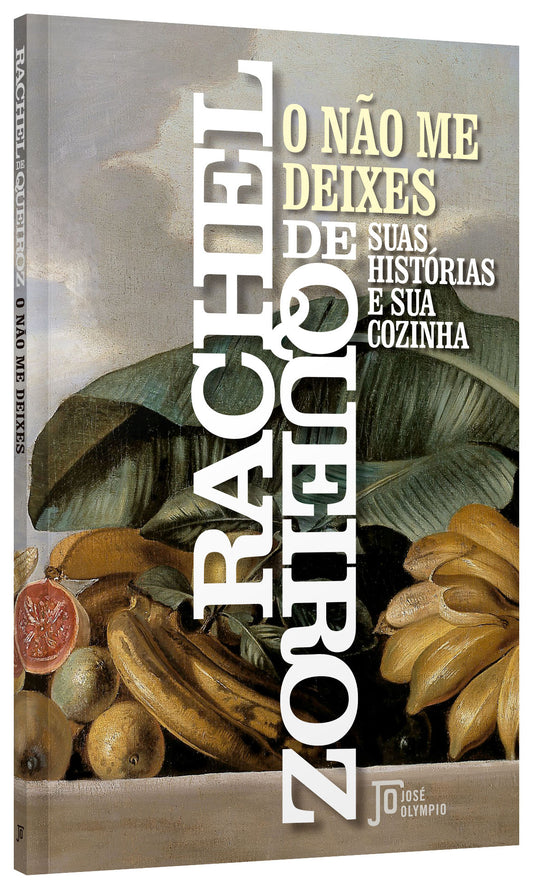
O Não Me Deixes
R$ 59,90



Sold out
THE GOLDEN COCK
R$ 69,90
Sold out


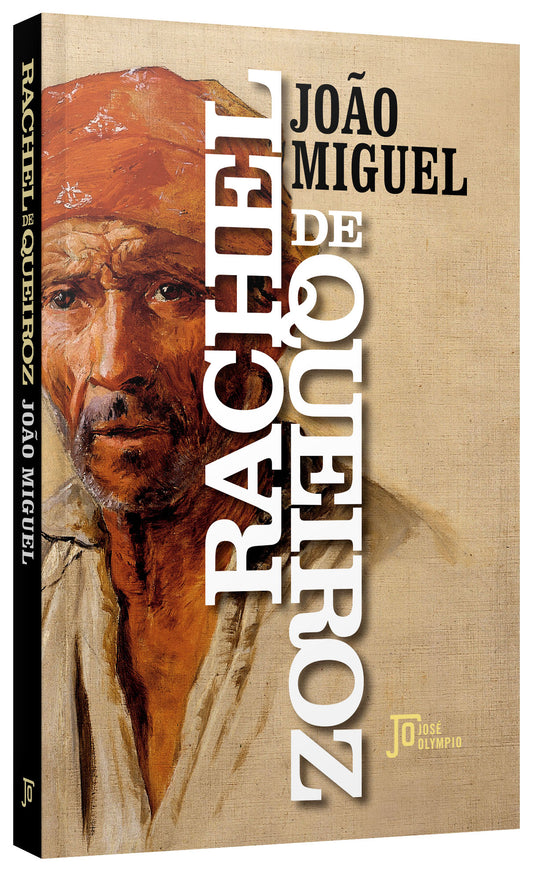
John Michael
R$ 59,90

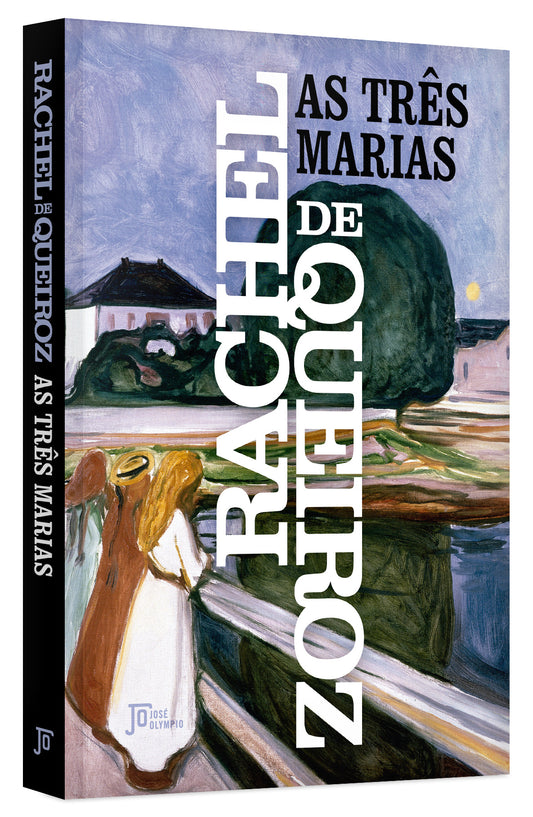
The Three Marys
R$ 59,90

Sold out
So many years
R$ 49,90
Sold out

Sold out
The fifteen
R$ 74,90
Sold out


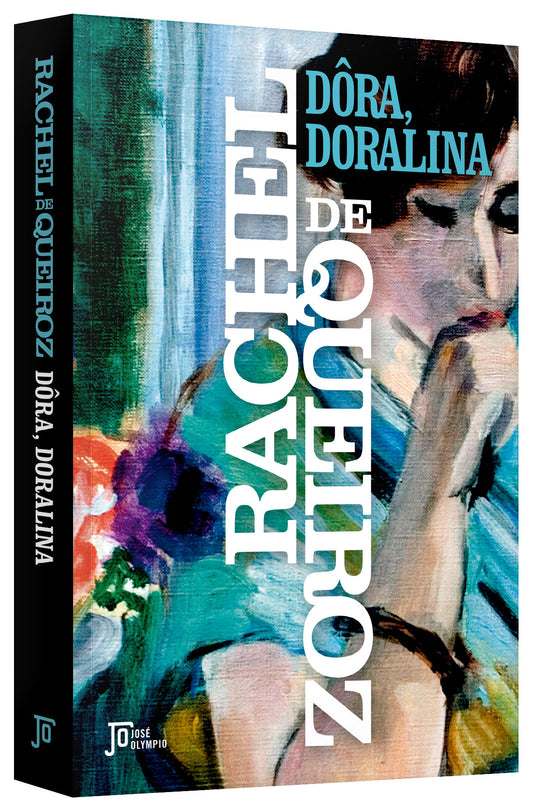
Dora, Doralina
R$ 64,90

Sold out
Lampião / Blessed Maria of Egypt
R$ 54,90
Sold out

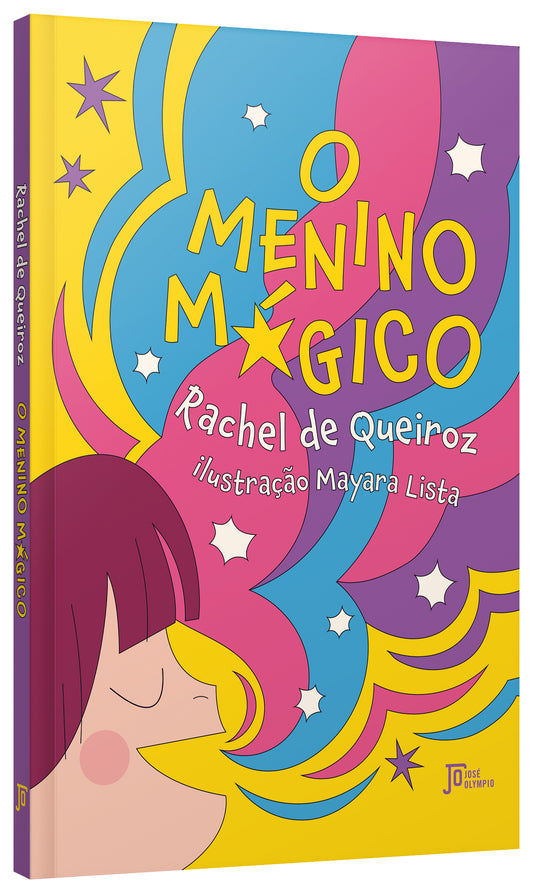
The magical boy
R$ 69,90

Sold out
The house of Morro Branco
R$ 49,90
Sold out

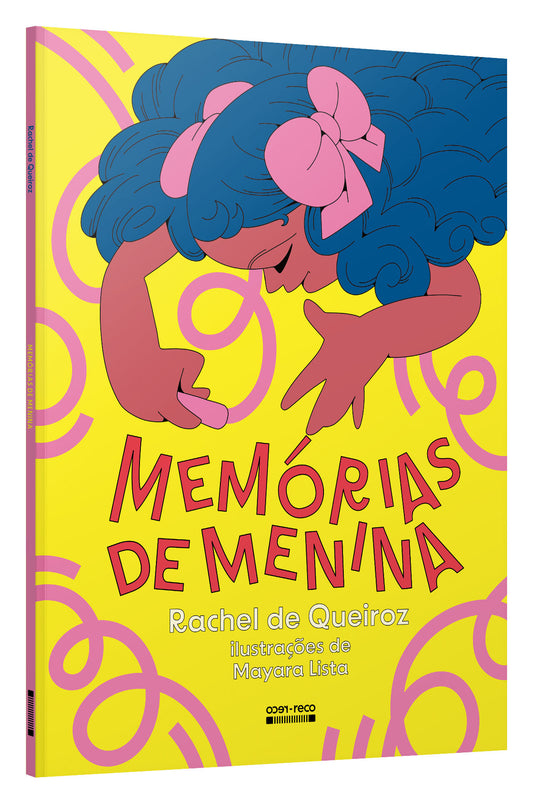
Memories of a girl
R$ 59,90


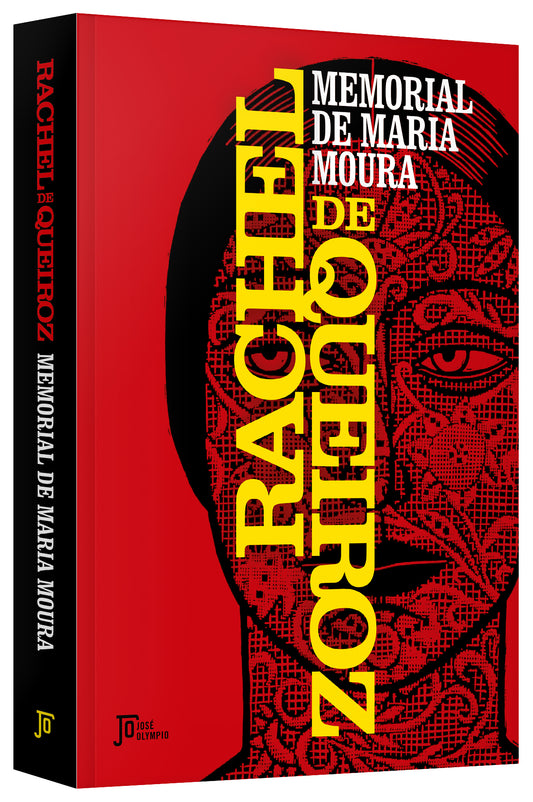

Sold out
Don't leave me
R$ 49,90
Sold out


