


Conteúdo do livro
Couldn't load pickup availability
CÓDIGO DA OBRA9788501921178


Sobre o autor
Dalton Trevisan
Dalton Trevisan é considerado um dos mais importantes contistas da literatura brasileira contemporânea. Nasceu em Curitiba, em 1925, e se formou como advogado pela Faculdade de Direito do Paraná (atual Universidade Federal do Paraná). Ainda estudante, já publicava alguns contos em folhetos e, entre 1946 e 1948, fundou a revista Joaquim, um dos mais impactantes periódicos culturais do Paraná. Teve sua estreia oficial como escritor com a publicação da coletânea de contos Novelas nada exemplares, vencedora do Prêmio Jabuti de 1960. Venceu mais três Jabutis, além de outros prêmios igualmente importantes, como o Prêmio Machado de Assis, o Prêmio da Biblioteca Nacional, o Portugal Telecom (atual Oceanos) e o Prêmio Camões, em 2012 (pelo conjunto da obra). Sua obra já foi adaptada para o cinema (A guerra conjugal, de 1975, com direção de Joaquim Pedro de Andrade) e para o teatro (em espetáculos dirigidos por nomes como Ademar Guerra, Marcelo Marchioro, Felipe Hirsch e João Luiz Fiani), e seus livros já foram traduzidos para diversos idiomas, como inglês, espanhol e italiano.
Eloar Guazzelli, desde a década de 1980, vem construindo uma trajetória extremamente criativa como ilustrador, quadrinista e diretor de arte para animação. Gaúcho, natural de Vacaria (1962), viveu por trinta e oito anos em Porto Alegre, vinte em São Paulo e, desde 2021, reside em Florianópolis com a esposa e os filhos. Tem desenhado capitais do sul e do sudeste. Uma de suas obsessões é roteirizar obras literárias. Começou com Um apólogo, de Machado de Assis (1992) e nunca mais parou: Demônios (2010), de Aluísio de Azevedo; Vidas secas (2015), de Graciliano Ramos; Amar, verbo intransitivo (2017), de Mário de Andrade; Grande sertão: veredas (2021), de Guimarães Rosa; e O pagador de promessas (2009) e O Bem-amado (2023), de Dias Gomes. De Monteiro Lobato, ilustrou sete livros, entre eles Memórias de Emília (2016) e Reinações de Narizinho (2016). De autores estrangeiros, já ilustrou A árvore dos desejos (2009), de William Faulkner; Pawana (2009), de J.M.G. Le Clézio; e Um dia de chuva (2009), de Eça de Queiroz. Destaque para Kaputt (2014), de Curzio Malaparte, livro predileto de seu pai.
Mais livros do autor


Personal anthology
R$ 139,90

Sale
The cyclist
-10%
R$ 59,90
R$ 53,91
Sale

Sold out
Mysteries of Curitiba
R$ 49,90
Sold out



Dear killer
R$ 49,90

New erotic stories
R$ 54,90

Sold out
PEAK IN THE VEIN
R$ 49,90
Sold out

Drunk macaw
R$ 49,90

Violets and peacocks
R$ 54,90

Sold out
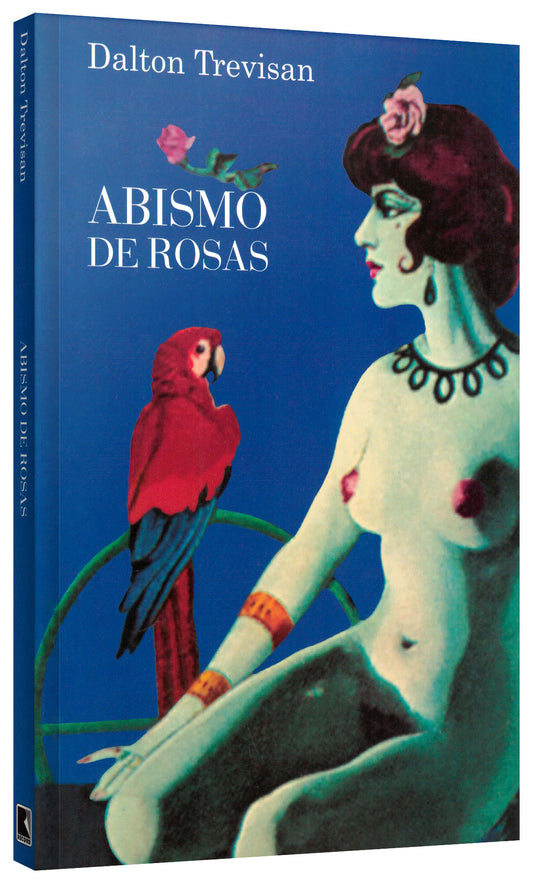
Abyss of roses
R$ 49,90
Sold out

Sold out
Rita Ritinha Ritona
R$ 54,90
Sold out

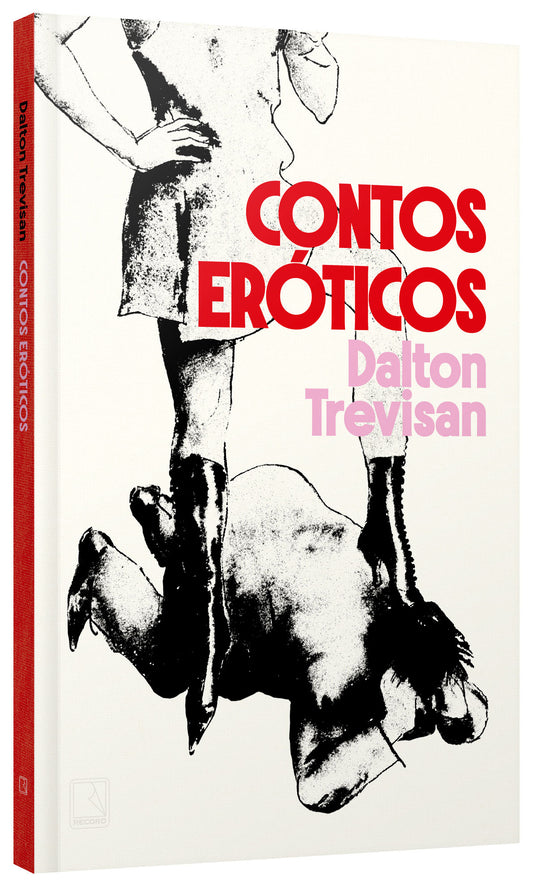
Erotic stories
R$ 64,90

Sold out
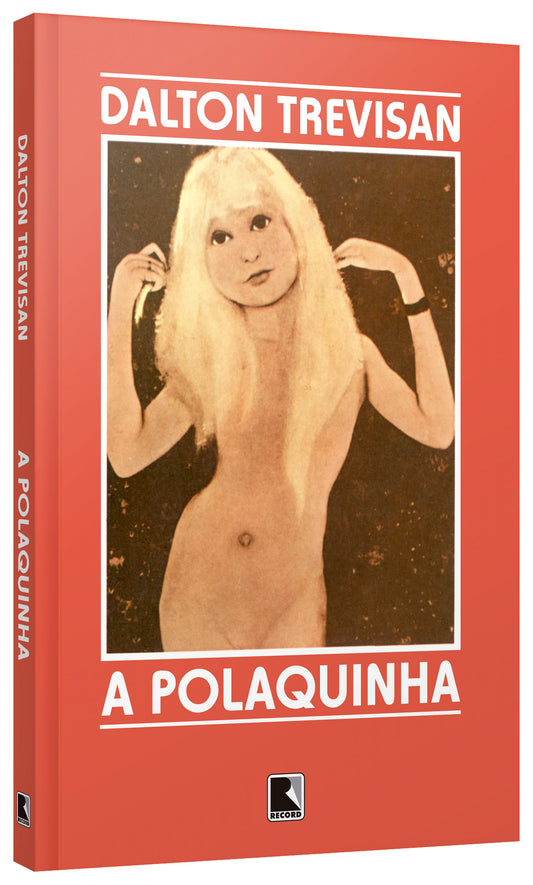
The little Polish girl
R$ 54,90
Sold out



Sold out
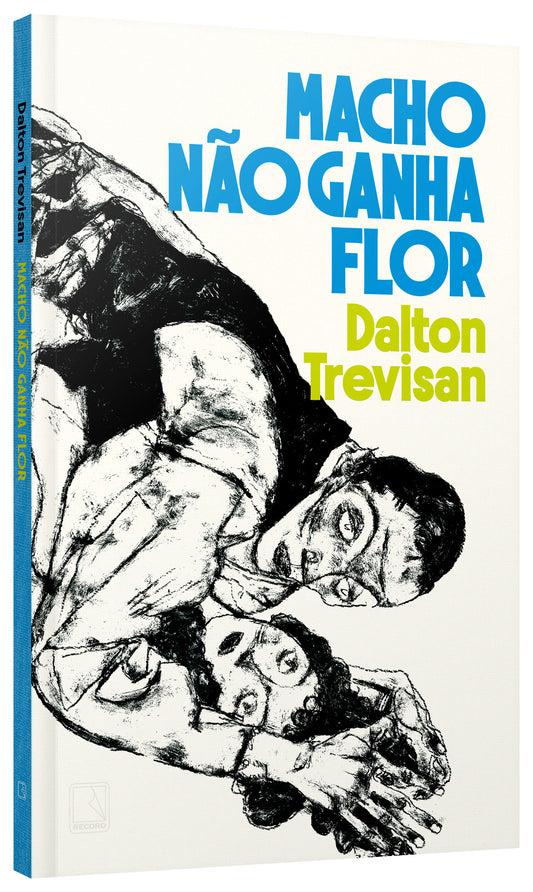
MALE DOES NOT WIN FLOWERS
R$ 49,90
Sold out

Sold out
33 SELECTED STORIES
R$ 54,90
Sold out


