


Couldn't load pickup availability


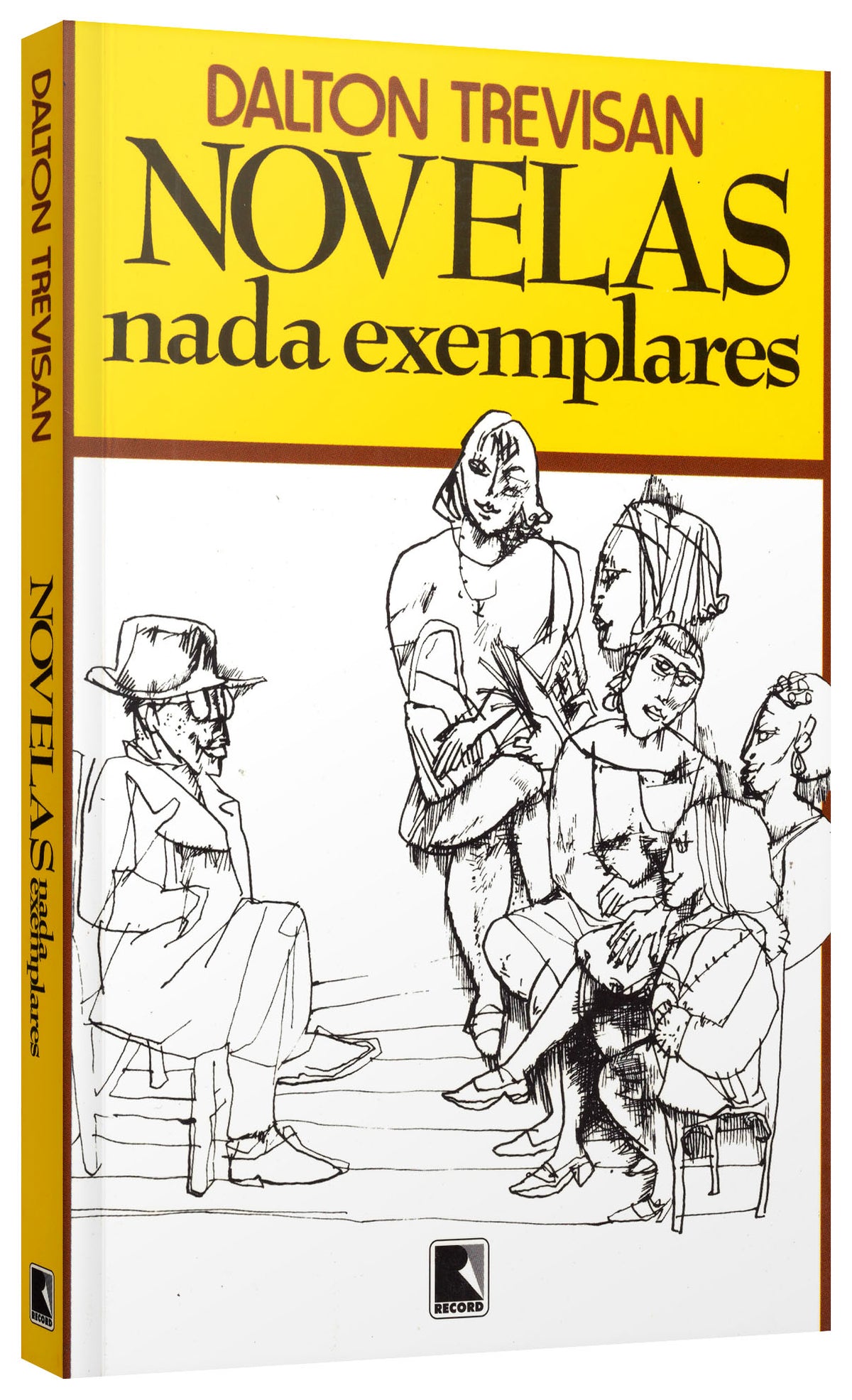
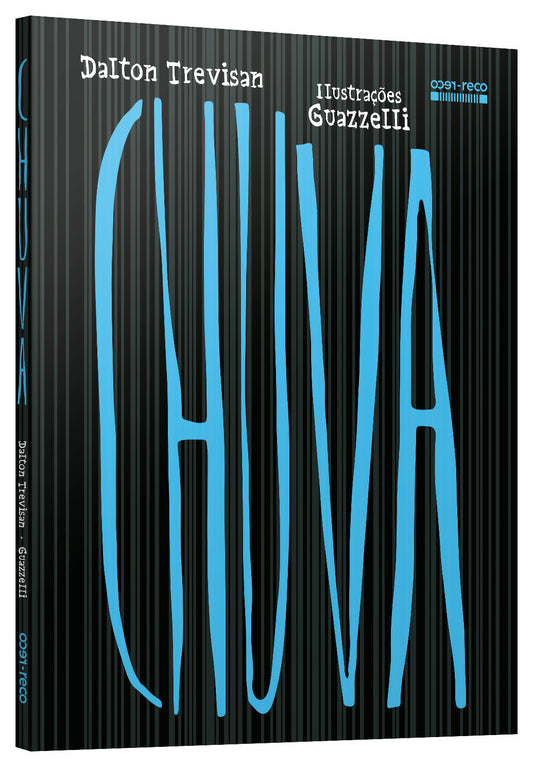
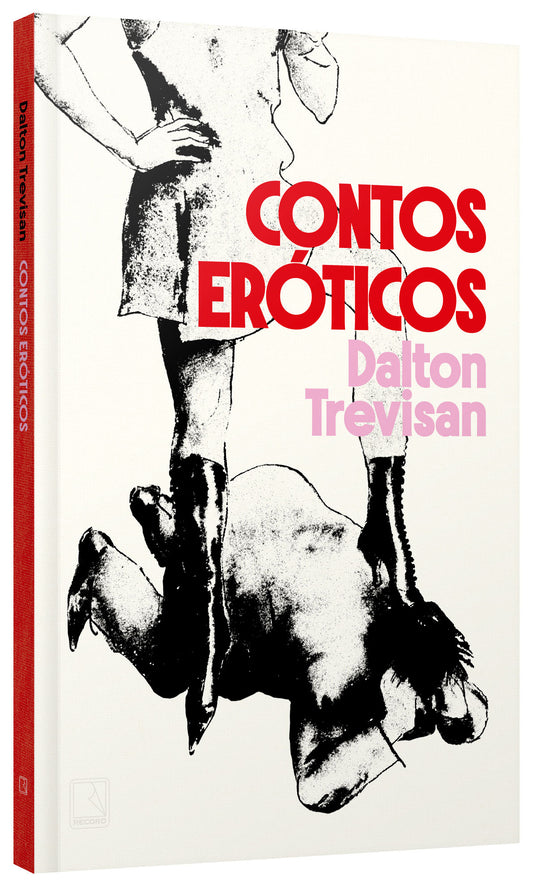
Dalton Trevisan
Dalton Trevisan é considerado um dos mais importantes contistas da literatura brasileira contemporânea. Nasceu em Curitiba, em 1925, e se formou como advogado pela Faculdade de Direito do Paraná (atual Universidade Federal do Paraná). Ainda estudante, já publicava alguns contos em folhetos e, entre 1946 e 1948, fundou a revista Joaquim, um dos mais impactantes periódicos culturais do Paraná. Teve sua estreia oficial como escritor com a publicação da coletânea de contos Novelas nada exemplares, vencedora do Prêmio Jabuti de 1960. Venceu mais três Jabutis, além de outros prêmios igualmente importantes, como o Prêmio Machado de Assis, o Prêmio da Biblioteca Nacional, o Portugal Telecom (atual Oceanos) e o Prêmio Camões, em 2012 (pelo conjunto da obra). Sua obra já foi adaptada para o cinema (A guerra conjugal, de 1975, com direção de Joaquim Pedro de Andrade) e para o teatro (em espetáculos dirigidos por nomes como Ademar Guerra, Marcelo Marchioro, Felipe Hirsch e João Luiz Fiani), e seus livros já foram traduzidos para diversos idiomas, como inglês, espanhol e italiano.
Eloar Guazzelli, desde a década de 1980, vem construindo uma trajetória extremamente criativa como ilustrador, quadrinista e diretor de arte para animação. Gaúcho, natural de Vacaria (1962), viveu por trinta e oito anos em Porto Alegre, vinte em São Paulo e, desde 2021, reside em Florianópolis com a esposa e os filhos. Tem desenhado capitais do sul e do sudeste. Uma de suas obsessões é roteirizar obras literárias. Começou com Um apólogo, de Machado de Assis (1992) e nunca mais parou: Demônios (2010), de Aluísio de Azevedo; Vidas secas (2015), de Graciliano Ramos; Amar, verbo intransitivo (2017), de Mário de Andrade; Grande sertão: veredas (2021), de Guimarães Rosa; e O pagador de promessas (2009) e O Bem-amado (2023), de Dias Gomes. De Monteiro Lobato, ilustrou sete livros, entre eles Memórias de Emília (2016) e Reinações de Narizinho (2016). De autores estrangeiros, já ilustrou A árvore dos desejos (2009), de William Faulkner; Pawana (2009), de J.M.G. Le Clézio; e Um dia de chuva (2009), de Eça de Queiroz. Destaque para Kaputt (2014), de Curzio Malaparte, livro predileto de seu pai.
Mais livros do autor

Elephant cemetery

Personal anthology



Dear killer

New erotic stories


Drunk macaw

Violets and peacocks




Erotic stories





Visualizados Recentemente


